
I genuinely thought I was imagining it! Every time I start dating someone new and things are going well, my skin looks noticeably better. Clearer, dewier, just overall more alive. And then I finally looked into whether there is actual science behind the “love glow,” and turns out, there absolutely is.
This is not just your brain tricking you into thinking you look good because you feel good (though that is part of it). There are real physiological changes happening when you are in a happy, loving relationship that directly affect your skin. Let me break down why your complexion becomes your best wingman when you are in the honeymoon phase.
Oxytocin and How It Helps Your Skin Heal
Oxytocin gets called the “love hormone” for a reason. Your body releases it during physical affection, intimacy, and even just spending time with someone you care about. But oxytocin does more than make you feel warm and fuzzy. It actually has effects on your skin.
Research has shown that oxytocin receptors exist in skin cells. When oxytocin binds to these receptors, it can promote wound healing and reduce inflammation. This means those small breakouts, little cuts, or general irritation you deal with might heal faster when you are in a state of frequent oxytocin release.
There is also evidence that oxytocin influences sebum production and skin barrier function. While more research is needed, early studies suggest that higher oxytocin levels correlate with improved skin hydration and less reactive skin. Your barrier literally works better when you are experiencing consistent affection and bonding.
Think about it: your skin evolved alongside your social behaviors. It makes sense that the hormones associated with pair bonding would have some effect on the organ that covers your entire body and plays a role in physical connection.
Stress Reduction Is Skin Medicine
Being in a happy relationship typically means lower stress levels. Not always, obviously (we have all had relationships that added stress), but when things are good? Your cortisol drops.
Cortisol is terrible for skin. It breaks down collagen, triggers excess oil production, impairs wound healing, and can cause inflammation. Chronic stress keeps cortisol elevated, which shows up on your face as breakouts, dullness, and premature aging.
When you are in love and feeling secure, your baseline stress level often decreases. You have someone to talk to, someone to share burdens with, someone who makes you feel safe. That emotional support translates into physical benefits, including better-looking skin.
The stress reduction also affects how you treat your skin. Stress can lead to picking, touching your face more, neglecting your routine, or stress eating foods that trigger breakouts. When you are happier, you tend to treat yourself (and your skin) better without even thinking about it.
Better Sleep When You Are Happy
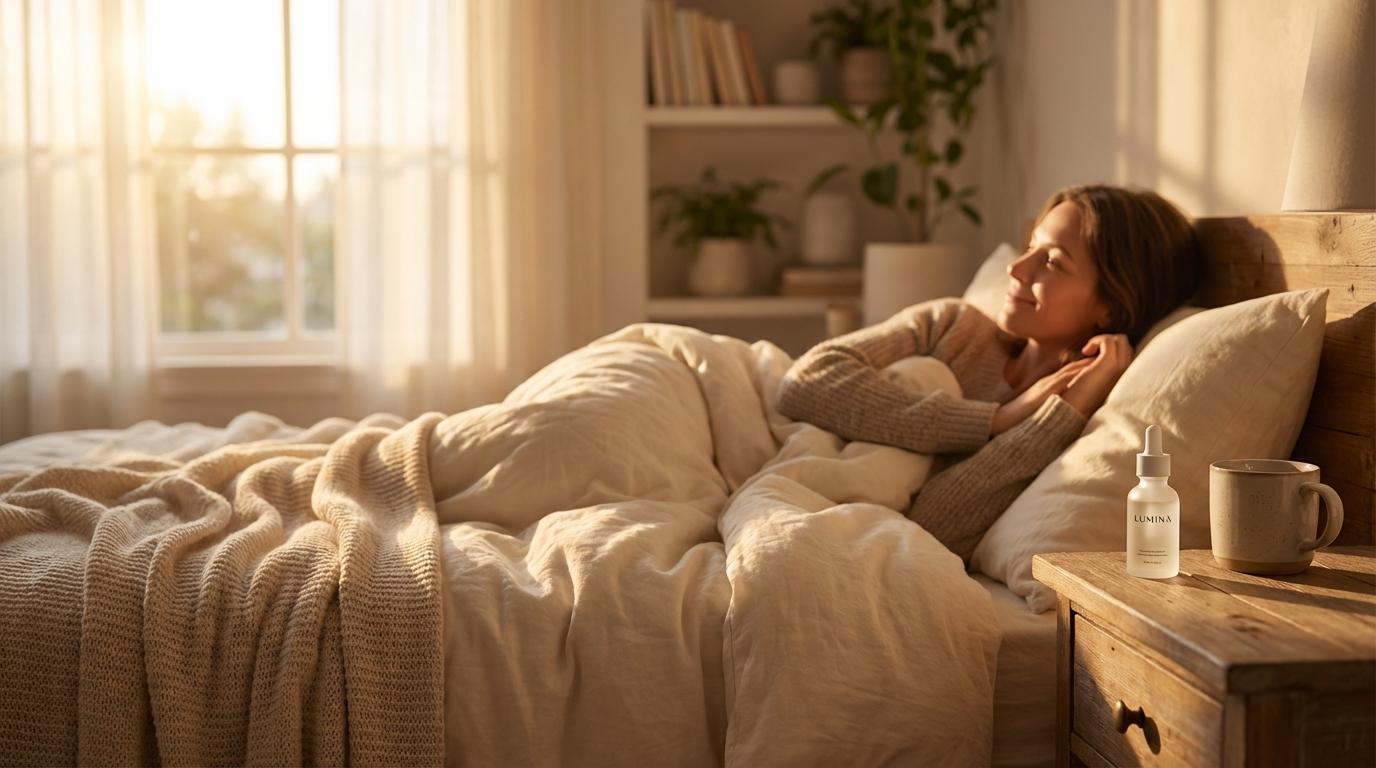
Good relationships often mean better sleep. You feel more relaxed. You might be sleeping next to someone who makes you feel secure. You probably are not lying awake at 2am doom-scrolling or spiraling about your life choices as much.
Sleep is when your skin does its heaviest repair work. Cell turnover increases, collagen production ramps up, blood flow to the skin improves, and damage from the day gets addressed. When you are consistently sleeping well, all of these processes function optimally.
Sleep deprivation shows up almost immediately on skin: dark circles, puffiness, dullness, increased fine lines, and slower healing. If being in love helps you sleep better, your skin will reflect that within days.
There is also something to be said for the physical warmth of sleeping with a partner. Regulated body temperature during sleep can contribute to better rest quality. Some people sleep worse with a partner (if they snore or steal covers), but for many, the comfort improves sleep.
The Happiness Glow Is Real
This one is a bit more abstract, but hear me out. When you are happy, you carry yourself differently. You smile more. You make more eye contact. You move with more confidence.
None of these things literally change your skin cells, but they change how your skin appears to others and even to yourself. Animated, expressive faces look more vibrant than flat, tired ones. The “glow” people see might partly be the radiance of genuine positive emotion animating your features.
There is also increased blood flow from all that heart-racing early relationship stuff. That flush you get when you see your person? That is blood rushing to your face, temporarily giving you rosy, healthy-looking skin. Do that often enough and the effect becomes something people notice.
And let us be real: when you are in love, you often take better care of yourself overall. You might wear clothes that make you feel good, do your hair, maybe actually stick to a skincare routine because you want to look nice for date night. The glow is not just chemical; it is also behavioral.
The Science of Physical Touch
Physical touch, even non-intimate touch like hand-holding or hugging, does interesting things to your body. Beyond oxytocin release, touch can lower blood pressure, reduce cortisol, and activate your parasympathetic nervous system (the “rest and digest” mode).
Regular physical affection might even affect your skin microbiome. You are exchanging bacteria with your partner constantly (romantic, I know), and some research suggests that this sharing can actually diversify and stabilize the microbial communities living on your skin. A healthy microbiome contributes to a healthy skin barrier.
People who experience regular physical affection also tend to have stronger immune responses, which matters for skin because your immune system plays a role in fighting acne-causing bacteria and healing various skin issues.
When Love Does Not Help Your Skin
I need to be honest: not every relationship improves your skin, and being single does not doom you to bad skin forever.
Stressful relationships can make skin worse. If you are anxious, walking on eggshells, or constantly fighting, you are getting the opposite of the benefits described above. Your cortisol is elevated, your sleep is disrupted, and you are probably not glowing.
New relationships can also come with skin disruptions. Different partner means different bacteria exposure, which can temporarily throw off your skin. New stress (even positive stress) from the excitement can trigger breakouts. Changes in routine from spending more time with someone can affect your skincare consistency.
And some people just have excellent skin while single and struggle while in relationships. Bodies are weird. These trends are averages, not universal rules.
Can You Get These Benefits Without a Relationship?
Absolutely. The underlying mechanisms here are about stress reduction, good sleep, oxytocin, and positive emotional states. There are other ways to access all of these.
- Close friendships release oxytocin and provide emotional support that reduces stress.
- Pets trigger oxytocin release and provide consistent companionship and touch.
- Physical activity can improve sleep, reduce stress hormones, and increase blood flow to skin.
- Meditation and mindfulness activate your parasympathetic nervous system and reduce cortisol.
- Good sleep hygiene is something you can prioritize regardless of relationship status.
The love glow is real, but it is not the only path to glowing skin. It is about overall wellbeing, emotional regulation, and taking care of yourself in ways that reduce stress and support your body’s natural functions.
What This Means For Your Routine
You cannot bottle the love glow (despite what some marketing departments might try to tell you). But you can recognize that your emotional state affects your skin and factor that into your expectations and approach.
If you are going through a hard time emotionally, be gentle with your skin. Expect some breakouts or dullness. Focus on simple, soothing products rather than aggressive treatments. Address the stress if you can, and do not beat yourself up when your skin reflects what you are going through.
If you are in a great place emotionally, enjoy it! Appreciate that your routine might be working extra well because your whole system is in a better state. This is a great time to maintain consistency rather than chasing new products.
And if you are wondering why your skin looked amazing during that relationship three years ago? Now you know. It was not just nostalgia. Your hormones, stress levels, and sleep quality were probably all in a better place. The goal is not to need a relationship for good skin, but to recognize these connections and work with them.
Your skin is an organ that reflects your whole being. When your heart is happy, your face often shows it. That is not magic or wishful thinking. That is your body working exactly as designed.