
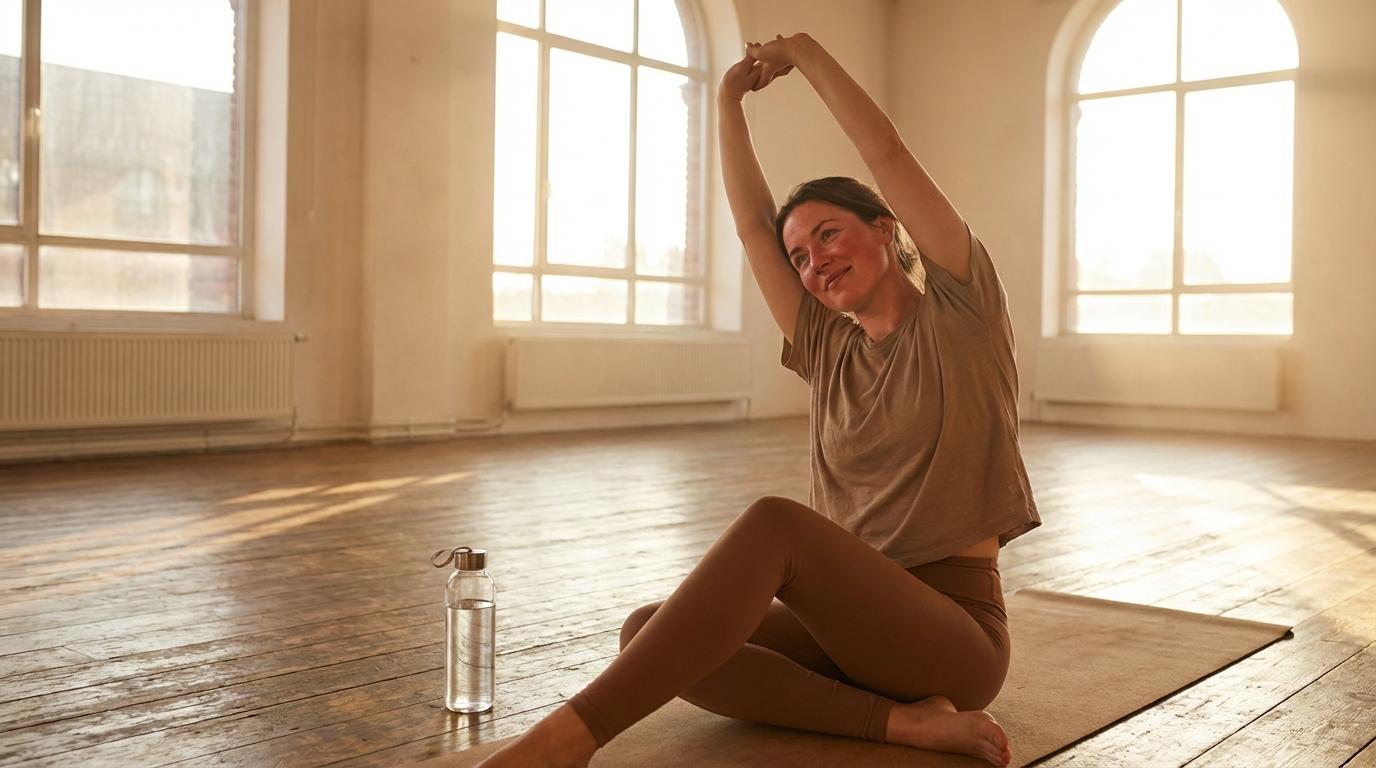
After a good workout, there’s often a moment in the mirror where your skin just looks different. That rosy flush, the slightly dewier texture, the sense that everything appears more alive. It’s not imagination, and it’s not just the endorphins making you feel better about yourself. Real physiological changes happen in your skin during exercise, and understanding them might shift how you think about both your fitness routine and your skincare.
The Circulation Effect
During exercise, your heart rate increases and blood vessels dilate to deliver oxygen and nutrients more efficiently to working muscles. Your skin benefits from this increased circulation too. Blood flow to the skin can increase dramatically during moderate to intense exercise, bringing a fresh supply of oxygen and nutrients right to the surface.
This increased blood flow is responsible for that distinctive post-workout flush. The red or pink color comes from blood pooling closer to the surface as vessels dilate to help regulate body temperature. While the flush fades within an hour or so after exercise ends, the temporary increase in nutrient delivery to skin cells has beneficial effects that last longer.
Improved circulation also helps carry away cellular waste products. Your skin cells, like all cells, produce metabolic byproducts that need to be cleared. Better blood flow means more efficient removal of these substances, which may contribute to the refreshed appearance many people notice after working out.
Oxygen and Nutrient Delivery
Your skin cells need oxygen and nutrients to function optimally, and exercise delivers both more abundantly. Oxygen is essential for cellular respiration, the process by which your cells produce energy. Better oxygenated cells function more efficiently, which shows in skin that appears more vibrant and healthy.
The nutrients delivered through increased blood flow include amino acids for protein synthesis, glucose for energy, and various vitamins and minerals that support cell function. This temporary boost in nutrient availability may support everything from collagen production to the skin’s natural repair processes.
Some researchers theorize that regular exercise creates a cumulative effect. While each workout provides a temporary boost in circulation and nutrient delivery, consistent exercise over time may improve the baseline health of skin by regularly providing these enhanced conditions. The body adapts to exercise demands, and skin may benefit from these adaptations along with the rest of your cardiovascular system.
The Post-Workout Glow Explained
That “glow” people mention after exercise has several components. The flushed color from increased blood flow is the most obvious. But there’s also a subtle plumping effect as increased blood volume temporarily fills vessels just beneath the skin surface, making skin appear smoother and more even.
Sweat plays a role too, though perhaps not in the way you might think. As perspiration evaporates, it can leave behind a light moisture layer that catches light differently than dry skin. This contributes to that dewy appearance many people find appealing. Of course, you’ll want to cleanse soon after exercising to prevent sweat from irritating your skin or mixing with bacteria to cause breakouts.
The expression on your face matters more than you might realize. When you feel good after exercise (thanks to endorphin release), your face naturally relaxes. Tension in facial muscles contributes to how we perceive our skin’s appearance. A relaxed, happy expression simply looks more radiant than a stressed, tense one, regardless of what’s actually happening at a cellular level.
What Sweat Actually Does
Sweating gets a bad reputation in skincare conversations, but it serves important functions for skin health. Sweat helps regulate body temperature, obviously, but it also contains antimicrobial peptides that protect against certain bacteria and fungi on the skin surface. This natural defense system activates more when you exercise.
The process of sweating can also help clear pores temporarily. As sweat moves from glands to the skin surface, it creates outward flow that may help push along sebum and debris. This isn’t the same as a deep cleanse, but it can contribute to that refreshed feeling after a workout.
The key is what happens after you sweat. Left on the skin too long, sweat can mix with bacteria and oils to create an environment that promotes breakouts. The salt in sweat can also irritate sensitive skin if allowed to dry repeatedly without cleansing. A gentle post-workout cleanse preserves the benefits while minimizing potential drawbacks.
Exercise and Skin Stress Response
Exercise creates temporary stress on the body, which triggers adaptive responses that can benefit skin over time. This concept, called hormesis, suggests that mild stressors prompt the body to become more resilient. Regular moderate exercise may train your skin’s stress response systems to function more efficiently.
Cortisol, the stress hormone, temporarily rises during intense exercise but typically returns to baseline quickly in people who exercise regularly. This differs from chronic psychological stress, where cortisol remains elevated and can negatively impact skin. The acute, time-limited stress of exercise appears to have different effects than ongoing stress.
Some research suggests that exercise may support the function of mitochondria in skin cells. Mitochondria are the energy-producing structures within cells, and their health declines with age. Regular physical activity may help maintain mitochondrial function throughout the body, including in skin tissue.
Practical Considerations
To maximize skin benefits from exercise, timing your skincare matters. Before working out, keep your routine minimal. Heavy products can mix with sweat and potentially clog pores or cause irritation. A light moisturizer and sunscreen (if exercising outdoors) is typically sufficient. Skip makeup entirely if possible.
After exercise, cleanse your skin within an hour if you can. Waiting longer allows sweat, sebum, and bacteria more time to interact. A gentle cleanser is adequate; you don’t need harsh products to remove post-workout residue. Follow with your regular routine, adjusting for any increased sensitivity you might notice.
If you exercise in the morning, the post-workout flush provides a natural “glow” that can reduce the need for makeup. Some people prefer to apply their skincare actives after morning workouts, reasoning that increased circulation might enhance absorption. There’s limited research on this, but it’s an interesting approach to consider.
The Longer View
Beyond the immediate post-exercise glow, regular physical activity appears to support skin health over time. Some studies suggest that people who exercise regularly show fewer signs of skin aging than sedentary individuals of the same age. The mechanisms likely involve improved circulation, better stress management, and the systemic anti-inflammatory effects of regular movement.
Exercise also supports other factors that influence skin health. It improves sleep quality, which is when significant skin repair occurs. It helps regulate hormones that can affect skin. It reduces chronic stress, which has well-documented negative effects on skin condition. The benefits of exercise for skin are likely both direct and indirect.
Finding a form of movement you genuinely enjoy matters more than optimizing for skin benefits specifically. Yoga, running, swimming, dancing, hiking, strength training: they all increase circulation and promote the physiological changes that benefit skin. Consistency over months and years delivers more value than any single intense workout.
Managing Exercise-Related Skin Concerns
For some people, exercise creates skin challenges that need managing. Heat and friction can trigger rosacea flares, eczema irritation, or acne mechanica (breakouts caused by physical irritation from clothing or equipment). These issues don’t mean you should avoid exercise, but they may require some adjustments.
Choosing moisture-wicking fabrics helps reduce friction and prevents sweat from sitting against the skin. Showering promptly after exercise is particularly important if you’re prone to body acne or folliculitis. Those with rosacea might benefit from exercising in cooler environments when possible, or breaking workouts into shorter intervals.
If you notice consistent skin issues related to exercise, take note of patterns. Is it worse after outdoor versus indoor workouts? Does the type of exercise matter? Are certain times of day better? This information helps you modify your routine or discuss specific concerns with a dermatologist who can provide targeted advice.
Movement is one of the simplest things you can do for overall health, and your skin participates in those benefits. The post-workout glow is a visible reminder that what happens inside your body shows up on the outside. It’s a nice bonus to an activity that already does so much good.