
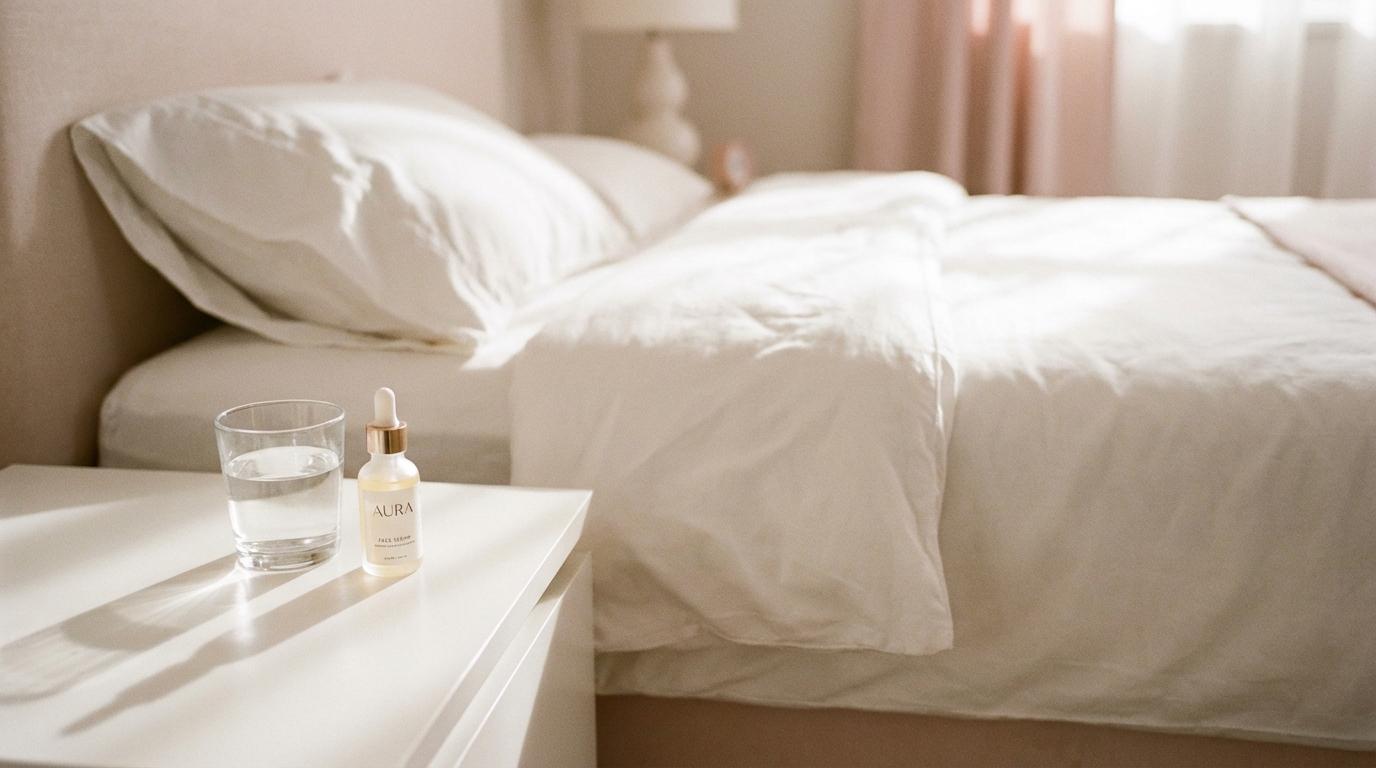
I spent three months blaming my moisturizer for the mysterious breakouts along my jawline and cheeks before I realized the real culprit was sitting in my laundry room. After switching cleansers, moisturizers, and even trying a stripped-back routine, nothing worked until I changed my laundry detergent. Turns out, what I was washing my clothes and bedding with mattered just as much as what I was putting directly on my face.
This is one of those skincare problems that flies completely under the radar. You can have the most perfect routine in the world, use all the right products at all the right concentrations, and still wake up with new breakouts because your freshly washed pillowcase is basically marinating your face in irritants all night long.
The Hidden Irritant Hiding in Plain Sight
Laundry detergent seems so innocent. You put it in the machine, your clothes come out clean, end of story. But those detergents leave behind residue on every single fabric they touch. That residue contains fragrance compounds, surfactants, and other chemicals that remain on your clothes, towels, and bedding even after rinsing.
When those fabrics come into contact with your skin, especially for extended periods like when you sleep, that residue can cause irritation. For some people, this shows up as redness and itching. For others, particularly those of us who are acne-prone, it triggers breakouts.
The frustrating part is that this irritation can look exactly like regular acne. You get clogged pores, inflammation, and even pustules. Without knowing the real cause, you might start treating it with salicylic acid or benzoyl peroxide, which can actually make things worse by adding more irritation on top of an already irritated skin barrier.
Fragrance Is Usually the Main Problem
If you have ever wondered whether fragrance in skincare is actually problematic, the same concerns apply to your laundry products. Most conventional laundry detergents are heavily fragranced. Companies want your clothes to smell like ocean breeze or lavender fields or whatever marketing teams have decided smells like cleanliness this year.
That fragrance is made up of dozens, sometimes hundreds, of individual chemical compounds. Brands are not required to list each fragrance ingredient separately, so the word “fragrance” or “parfum” on a label could represent anywhere from 10 to 300 different chemicals. Some of these compounds are known skin sensitizers, meaning they can cause allergic reactions or irritation with repeated exposure.
Common fragrance compounds that cause problems include limonene, linalool, and cinnamal. These are in basically everything that smells good, from your detergent to your fabric softener to those dryer sheets that promise your towels will smell like a meadow. The cumulative exposure from all these sources can overwhelm sensitive skin.
What makes fragrance irritation tricky is that you might not react immediately. You could use the same detergent for months before your skin suddenly decides it has had enough. This delayed reaction makes it really hard to identify the cause because you have not changed anything recently.
Your Pillowcase Gets the Most Direct Contact
You spend roughly 6 to 8 hours every night with your face pressed against your pillow. Whatever residue is on that pillowcase is getting direct, prolonged contact with your facial skin. This is why your pillowcase can be such a major factor in persistent breakouts.
Think about it this way: if you would not apply a product directly to your face for 8 hours straight, why would you be okay with laundry chemical residue doing essentially the same thing? The concentration might be lower, but the exposure time is massive. Your skin is also doing most of its repair work at night, so anything irritating it during that time can really disrupt the healing process.
The pattern of breakouts often gives this away. If you are mostly breaking out on the cheeks, jawline, and sides of your face, basically wherever your face touches the pillow, detergent residue might be the culprit. People who sleep on their backs often have clearer cheek skin compared to side sleepers, and this is one of the reasons why.
Towels are another major contact point. You dry your face with them, sometimes multiple times a day. If that towel has irritating residue on it, you are essentially rubbing irritants directly onto freshly cleansed, vulnerable skin. Your face towel might be working against all the good you are doing with your skincare routine.
How to Tell If Your Detergent Is Breaking You Out
Identifying detergent as the cause requires some detective work. The breakouts caused by laundry products often have a few distinguishing characteristics. They tend to appear in areas where fabric contact is highest. Beyond your face, you might notice irritation on your neck, chest, or wherever your clothes fit snugly.
The texture of these breakouts can also be a clue. Detergent-related irritation often shows up as small, uniform bumps rather than the varied deep cystic pimples and surface blackheads typical of hormonal or bacterial acne. It might look more like a rash or widespread texture change than traditional acne.
One telling sign is if your skin gets better when you are away from home. If you notice your skin clears up after a few days of traveling or staying somewhere else, your home laundry products could be the issue. Hotels often use fragrance-free industrial detergents that are less likely to cause reactions.
You can also try the patch test approach. Wear a freshly washed t-shirt inside out on one arm, so the detergent-washed fabric is in direct contact with your skin, and leave it there for a few hours. If you develop redness or small bumps, your detergent is probably not agreeing with your skin.
Making the Switch to Skin-Friendly Laundry
If you suspect your detergent is causing problems, the solution is straightforward but requires patience. You need to switch to a fragrance-free, hypoallergenic detergent and then rewash anything that regularly touches your face or body.
Look for detergents labeled “free and clear” or “fragrance-free.” These formulas skip the perfumes that cause most of the trouble. Some reliable options include Seventh Generation Free and Clear, All Free Clear, and Tide Free and Gentle. These are all available at regular grocery stores and are not significantly more expensive than regular versions.
When you make the switch, do not just start using the new detergent on your next load. You need to clean out any residual fragrance from your washing machine first. Run an empty hot cycle with a cup of white vinegar to strip out any detergent buildup in the machine itself. Otherwise, traces of your old fragrance-heavy detergent might keep transferring to your clothes.
Then, rewash your pillowcases, face towels, and any clothing that touches areas where you break out. It might seem excessive, but the residue from previous washes can stick around for a while. Some people find they need to wash items two or three times with the new detergent before the old fragrance is completely gone.
Fabric Softener and Dryer Sheets Are Even Worse
If detergent residue is bad, fabric softener is even more problematic. Fabric softeners work by coating your fabrics with a thin layer of conditioning chemicals. That coating makes clothes feel softer, but it also means more residue in direct contact with your skin.
Most fabric softeners are extremely heavily fragranced. They are designed to make your laundry smell strong enough that you notice it when you open the dryer. That level of fragrance is basically guaranteed to cause problems for anyone with sensitive or acne-prone skin.
Dryer sheets have the same issue. They coat your fabrics with softening agents and fragrance as the heat activates the sheet. Those white residue marks you sometimes see on dark clothes? That is exactly what is also getting deposited on your pillowcases and towels.
The good news is that fabric softener and dryer sheets are completely optional. Your clothes will be fine without them. If you miss the softness, try wool dryer balls instead. They soften fabrics through mechanical action, tumbling around and fluffing up the fibers without leaving any chemical residue. You can even add a few drops of essential oil to them if you really want some scent, though I would skip this for anything that touches your face.
What About Natural or Homemade Detergents
Some people turn to DIY laundry solutions thinking that “natural” means less irritating. This is not always true. Homemade detergents often use ingredients like borax, washing soda, and bar soap. While these might be more natural, they can still irritate sensitive skin.
Castile soap-based recipes are popular, but soap can leave its own residue on fabrics. Essential oils, which people add to homemade detergent for fragrance, can be just as irritating as synthetic fragrances. Lavender and tea tree oils, despite their reputation as skin soothers, are actually common contact allergens.
If you want to go the natural route, stick to truly fragrance-free options. Some eco-friendly brands like Molly’s Suds or Branch Basics offer unscented formulas that work well for sensitive skin. These tend to cost more than drugstore brands but can be worth it if you are dealing with persistent irritation.
The main thing to avoid is the assumption that natural equals safe. Plenty of natural substances cause skin reactions. What matters is whether the specific ingredients in the product work for your particular skin, not whether those ingredients came from a plant or a lab.
Washing Temperature and Rinsing Matter Too
Beyond what detergent you use, how you wash also affects residue levels. Hot water helps dissolve and remove detergent more completely than cold water. For items that touch your face, like pillowcases and towels, washing in warm or hot water can reduce the amount of residue left behind.
Adding an extra rinse cycle is another simple fix. Most washing machines have an option for a second rinse. Using this for your linens helps flush away any detergent that did not fully wash out the first time. It adds a few minutes to the wash cycle but can make a noticeable difference.
Using the right amount of detergent also matters more than you might think. Those little lines on the detergent cap or the machine’s detergent dispenser often indicate more detergent than you actually need. Using too much detergent means more residue that cannot fully rinse out. Try using about half of what the packaging recommends and see if your clothes still come out clean. They probably will.
High-efficiency machines are particularly prone to residue buildup because they use less water. If you have an HE washer, definitely look for HE-compatible detergents and avoid overdoing it on the amount.
Give It Time and Track Your Progress
Once you switch your laundry products and rewash your linens, do not expect overnight results. Your skin needs time to calm down from the irritation and heal. If your breakouts were caused by detergent residue, you should start seeing improvement within two to four weeks.
It helps to take photos of your skin when you make the switch so you can objectively compare later. When you look at your face every day, it is hard to notice gradual improvement. Photos let you see the difference more clearly.
During this time, keep your skincare routine simple. Resist the urge to add new products or use harsh acne treatments. Your skin needs to recover, and piling on actives when your barrier is compromised will only prolong the healing process. Stick to gentle cleansing, basic moisturizing, and sunscreen.
If after a month you are not seeing any improvement, the detergent probably was not your main issue. But at least you can rule it out and investigate other potential causes without that variable confusing things.
Other Laundry-Related Skin Triggers
While fragrance is the most common culprit, other laundry factors can contribute to skin problems too. Optical brighteners, those compounds that make whites look extra bright, are present in many detergents and can cause reactions in some people. Look for detergents that specifically state they are free from optical brighteners if you continue having issues after switching to fragrance-free.
Bleach residue can be extremely irritating. If you use bleach on your towels or sheets, make sure you are rinsing thoroughly. The chemical smell should be completely gone before you use those items. Better yet, skip the bleach for anything that touches your face and use alternatives like oxygen-based brighteners instead.
Even the fabric itself matters. New sheets and towels often have sizing and finishing chemicals from manufacturing. Always wash new textiles before using them for the first time. This removes those manufacturing residues that can irritate skin.
Gym clothes and workout towels present their own challenges. They tend to hold onto bacteria and odors, which leads some people to use extra detergent or additives. If you work out regularly and break out where your gym clothes touch your skin, try washing workout gear separately in hot water with just a simple fragrance-free detergent.
Prevention Moving Forward
Once you find a detergent that works for your skin, stick with it. This is not the time for variety. Companies reformulate products constantly, so even if you find a good option, check the ingredient list periodically to make sure they have not added anything new.
Keep a backup supply of your safe detergent. Running out and grabbing whatever is available at the store can undo all your progress. It might seem excessive, but if you have finally gotten your skin under control, maintaining that is worth a little extra planning.
Be mindful of where your face touches fabric throughout the day. Your gym towel, your couch cushions, the clothing you wear to bed. All of these should be washed with your skin-safe detergent. It does not help to have perfectly clean pillowcases if you are wiping your face with a towel washed in fragrance-heavy detergent.
If you live with other people who prefer scented laundry products, keep your face-touching items separate. Wash your pillowcases, towels, and anything else that directly contacts your face in your own loads with your fragrance-free detergent. Cross-contamination from shared machines is usually minimal, but washing sensitive items separately gives you the most control.
When Laundry Is Not the Problem
Sometimes detergent truly is not the issue, and you need to keep investigating. If you have made all these changes and your skin has not improved, do not be discouraged. At least you have eliminated one variable.
The fact that you tried the detergent switch and it did not work gives you useful information. It means your acne is more likely caused by something internal like hormones, something in your skincare routine, or other environmental factors. You can now focus your detective work elsewhere.
Common other culprits include phone screens pressed against your cheek, dirty makeup brushes, and touching your face throughout the day. Your diet, stress levels, and hormonal fluctuations also play significant roles in acne that no amount of detergent switching will address.
If your breakouts persist despite ruling out obvious external irritants, it might be time to see a dermatologist. Persistent acne that does not respond to lifestyle changes and good skincare often needs medical treatment, whether that is prescription topicals or addressing underlying hormonal imbalances.
But for many people, especially those with unexplained breakouts that seem to resist every skincare product they try, laundry products really are the missing piece. It costs almost nothing to test this theory by switching to a free and clear detergent for a month. If it works, you have solved a frustrating problem with a simple fix. If it does not, at least you know and can move on to investigating other causes.
Your skin is exposed to so many things beyond your skincare routine. Sometimes the answer is not a fancier serum or a more complicated regimen. Sometimes it is just changing the detergent you use to wash your pillowcase.