
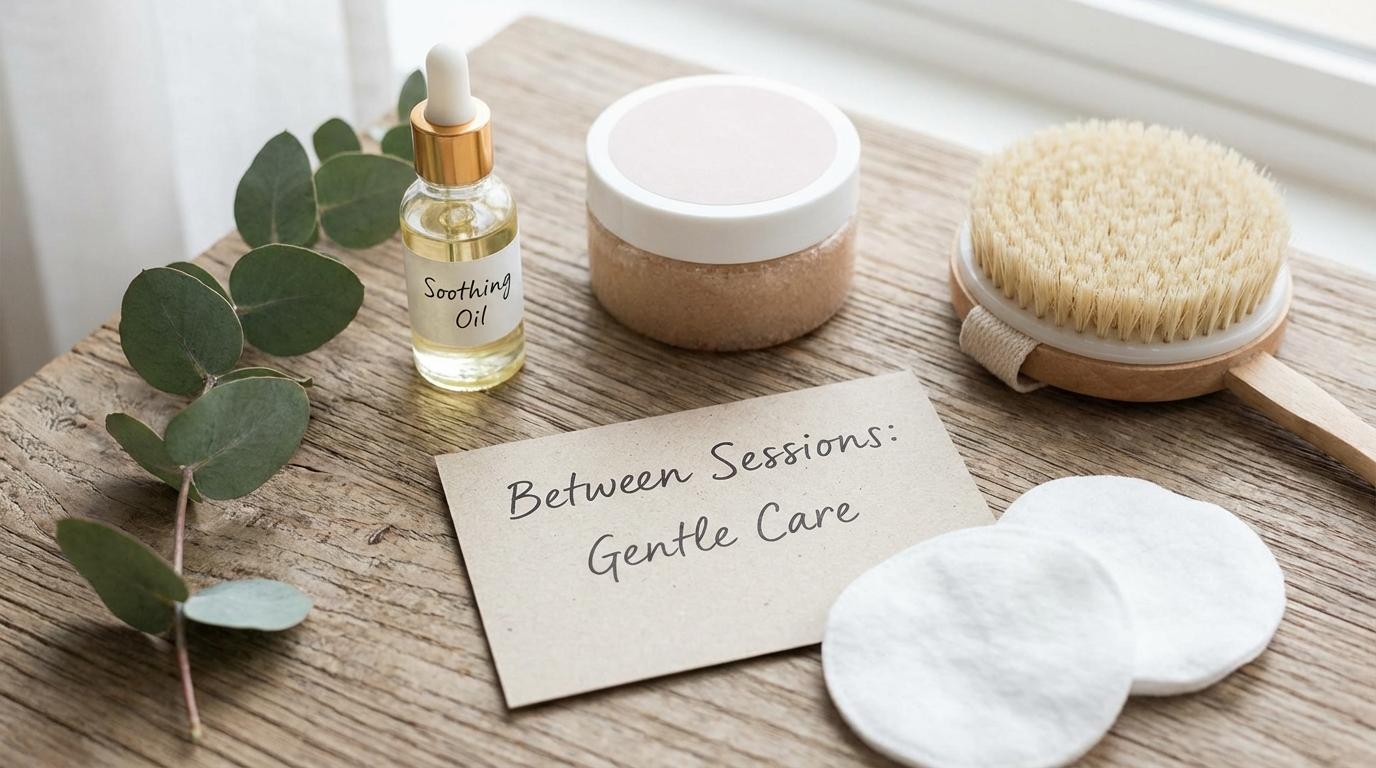
So you just got waxed. Your skin feels smooth, you feel like a whole new person, and you’re already dreading the moment those little bumps start showing up. I get it. I spent way too long dealing with ingrown hairs and post-wax irritation before I finally figured out what actually works between appointments. Spoiler: it’s not complicated, and it doesn’t require spending half your paycheck on fancy products.
The thing about waxing is that the appointment itself is only part of the equation. What you do in the weeks between sessions makes a huge difference in how your skin looks and feels. Skip the aftercare, and you’re basically setting yourself up for bumpy, irritated skin that makes you question why you wax in the first place.
The First 48 Hours: Treat Your Skin Like It Just Went Through Something
Because it did. Waxing literally pulls hair out from the root, which means your follicles are open and your skin is more sensitive than usual. This isn’t the time to test out new products or hit the gym for an intense workout.
Right after your appointment, keep things simple. If you’re seeing redness or feeling a bit tender, a plain aloe vera gel can help calm things down. You don’t need anything expensive here. The basic aloe gel from the drugstore works perfectly fine.
For the first two days, avoid these things:
- Hot baths, saunas, and steam rooms (the heat can irritate freshly waxed skin)
- Pools and hot tubs (chlorine plus open follicles equals not a good time)
- Intense workouts that make you sweat heavily
- Tight clothing that rubs against the waxed area
- Fragranced lotions or body washes
- Sun exposure without protection
I know, it sounds like a lot of restrictions. But trust me, dealing with a skin reaction is way more annoying than skipping one spin class. Loose cotton clothing is your best friend during this time, especially if you got a bikini or Brazilian wax.
Exfoliation Is Your Best Friend (But Timing Matters)
If there’s one thing that makes the biggest difference in preventing ingrown hairs, it’s regular exfoliation. Dead skin cells build up on the surface and can trap new hair growth underneath, which is exactly how ingrown hairs happen.
Wait at least 48 hours after waxing before you start exfoliating. Your skin needs time to calm down first. After that initial waiting period, aim to exfoliate the waxed areas 2-3 times per week.
You have two main options here:
Physical exfoliation: This is the scrubby stuff. A gentle sugar scrub, exfoliating mitt, or even a clean washcloth with some pressure works well. Be gentle, though. You’re trying to remove dead skin, not sand down your body. According to European Wax Center’s aftercare guide, oatmeal-based products or body brushes are good gentle options.
Chemical exfoliation: Products with AHAs (like glycolic or lactic acid) or BHAs (salicylic acid) dissolve dead skin cells without any scrubbing. If you’re prone to ingrown hairs, a leave-on treatment with salicylic acid can be really effective at keeping follicles clear. As noted by Starpil Wax, targeted serums with these ingredients help prevent follicle blockage.
You can use both types, just not on the same day in the same area. And always moisturize after exfoliating.
Keep Your Skin Hydrated (But Watch What You Use)
Dry skin is actually a major contributor to ingrown hairs. When your skin is dehydrated, the texture becomes rougher, and new hair has a harder time pushing through. Instead, it curls back under the surface and causes those annoying bumps.
Moisturize daily, but pay attention to what’s in your products. For the first few days after waxing, stick to fragrance-free options. Look for ingredients like:
- Aloe vera (soothing and hydrating)
- Chamomile (calms irritation)
- Hyaluronic acid (great for hydration without clogging pores)
- Calendula (helps with healing)
What to avoid in the first week: anything heavily fragranced, products with alcohol high on the ingredient list, and thick occlusive products like petroleum jelly that can trap bacteria in your pores. According to Beauty Image USA, oily products and petroleum gels can cause clogged pores and lead to bumps.
What NOT to Do Between Waxing Sessions
This is where a lot of people mess up without realizing it.
Do not shave. I know the stubble can be tempting to remove, especially when you’re past the smooth phase but not quite ready for your next wax. But shaving between sessions disrupts the hair growth cycle and creates blunt, sharp hair tips that are more likely to become ingrown. It also makes your next waxing session more painful because the hair isn’t growing uniformly. Waxing the City specifically warns against this, as it significantly increases ingrown hair risk.
Do not pick at ingrown hairs. I know how satisfying it can be to try and free a trapped hair, but you’re likely to cause scarring, infection, or make the situation worse. If you have an ingrown, apply a warm compress for a few minutes to soften the skin, then let the exfoliation routine do its job over the next few days.
Do not skip your waxing appointments. Consistency matters with waxing. When you stick to a regular schedule (typically every 4-6 weeks), your hair starts growing back finer and more sparse over time. Irregular waxing means you’re constantly dealing with hair at different growth stages, which makes the process less effective and more uncomfortable.
Dealing With Ingrown Hairs That Show Up Anyway
Even with perfect care, sometimes ingrown hairs happen. Genetics, hair texture, and the direction your hair grows all play a role. If you do get one, here’s how to handle it without making things worse.
First, don’t panic and definitely don’t squeeze or dig at it. Apply a warm, damp washcloth to the area for about 5 minutes. This softens the skin and can help the hair work its way to the surface naturally.
Use a targeted ingrown hair treatment. Products with salicylic acid, tea tree oil, or glycolic acid can help. Apply it to the specific area daily until the ingrown resolves. Healthline recommends hydrocortisone cream as an over-the-counter option if you’re also dealing with itching and redness.
If an ingrown becomes infected (painful, filled with pus, or increasingly red), see a dermatologist. Don’t try to handle an infection on your own.
Pre-Wax Prep: Setting Up Your Next Session for Success
What you do in the days leading up to your appointment matters too. Good prep means less pain during waxing and better results after.
Let the hair grow to the right length. You need about 1/4 inch of growth for the wax to grip properly. Too short and the wax can’t grab the hair. Too long and it’s more painful. If your hair is really long, you can trim it down, but don’t shave.
Exfoliate 1-2 days before your appointment. This removes dead skin cells so the wax can adhere better and helps prevent breakage. But don’t exfoliate the day of, as this can make your skin too sensitive.
Stay hydrated. Hydrated skin is more pliable, which can make the waxing process smoother and less painful. Drink plenty of water in the days leading up to your appointment.
Avoid caffeine and alcohol on the day of. Both can make you more sensitive to pain. Not a huge deal, but if you’re trying to minimize discomfort, it helps.
Don’t apply lotion the day of. Oily or moisturized skin can prevent the wax from gripping the hair properly, which leads to more passes and more irritation.
A Simple Weekly Routine That Actually Works
Let me break this down into something practical you can actually follow:
Days 1-2 after waxing: Keep it simple. Wear loose clothing, avoid heat and sweat, apply plain aloe if needed. That’s it.
Days 3-7: Start gentle exfoliation (2-3 times this week). Moisturize daily with fragrance-free products. If you’re prone to ingrowns, start using a salicylic acid treatment.
Weeks 2-3: Continue exfoliating 2-3 times per week. Keep moisturizing. This is when ingrowns are most likely to appear, so stay consistent with your routine.
Week 4 (pre-wax week): Exfoliate 1-2 days before your appointment. Stop using chemical exfoliants 2 days before. Drink lots of water.
Day of appointment: No lotion, no caffeine if you can help it, and wear loose clothes for after.
Budget-Friendly Products That Do the Job
You don’t need to buy special waxing aftercare products unless you want to. Here’s what works from the drugstore:
- 100% aloe vera gel for immediate soothing
- A basic sugar scrub for physical exfoliation
- Any salicylic acid treatment (acne treatments work fine)
- Unscented body lotion (CeraVe, Eucerin, Vanicream all work)
- A clean washcloth for warm compresses
The entire routine can cost under $20 if you shop smart. Expensive doesn’t mean better, especially for something as straightforward as post-wax care.
When to See a Professional
Most post-wax issues can be handled at home with the routine above. But there are times when you should get professional help:
- Ingrown hairs that become infected (hot, swollen, filled with pus)
- Persistent bumps that don’t improve after 2-3 weeks of proper care
- Allergic reactions to wax (hives, severe swelling, blistering)
- Dark spots or scarring from repeated ingrowns
A dermatologist can prescribe stronger treatments if needed and can help with scarring if that’s become an issue.
The Bottom Line
Taking care of your skin between waxing sessions isn’t complicated, but it does require consistency. Exfoliate regularly, moisturize daily, don’t shave, and give your skin time to heal right after your appointment. Do these things, and you’ll actually get to enjoy that smooth skin you’re paying for instead of dealing with bumps and irritation.
Your skin adapts to waxing over time. The more consistent you are with both your appointments and your aftercare routine, the easier the whole process becomes. Hair grows back finer, skin stays smoother longer, and ingrown hairs become way less common.
It took me a while to figure all this out, mostly through trial and error. But now that I’ve got my routine down, waxing is so much less of a hassle. And honestly, the aftercare takes like 5 minutes a day max. Definitely worth it for smooth, bump-free skin.