
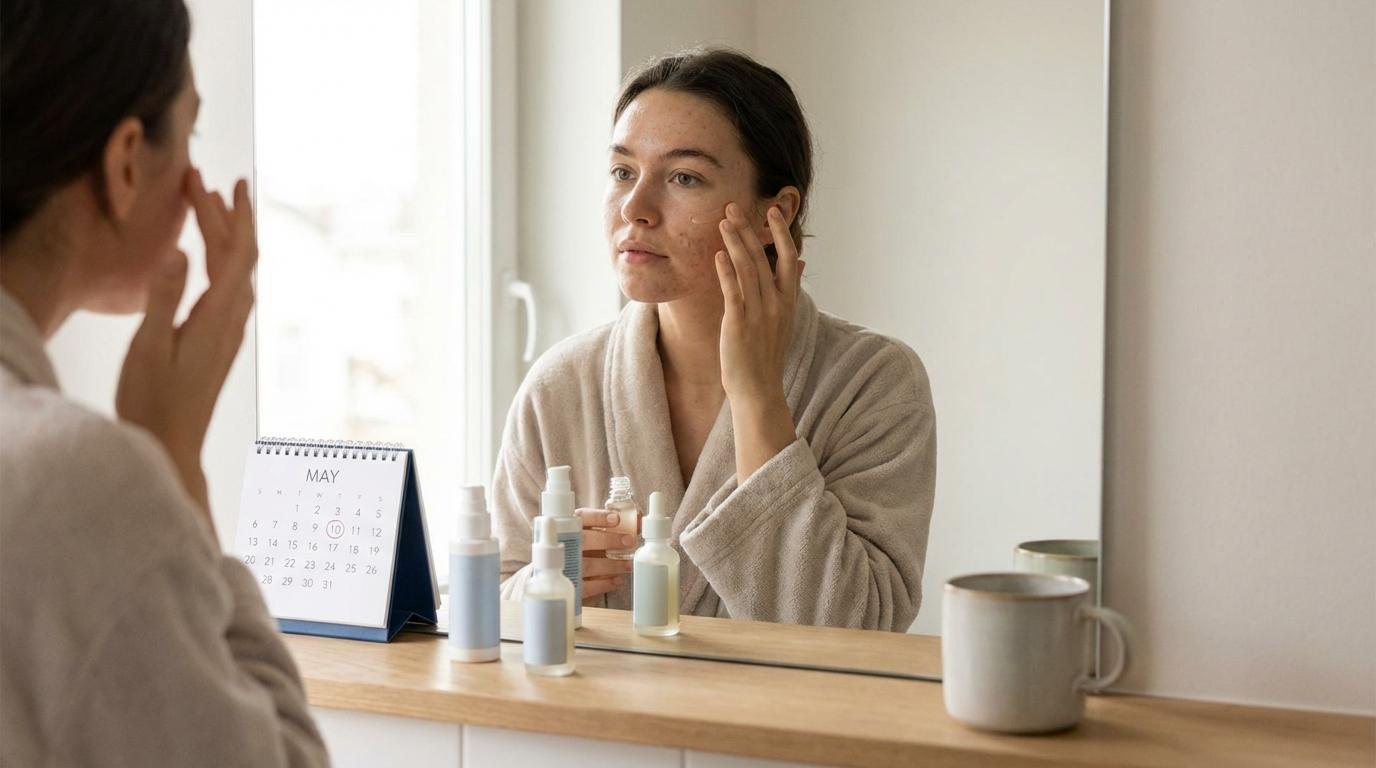
Starting birth control is a big decision, and your skin often has opinions about it. Whether you’re going on the pill for contraception, period regulation, or even acne management, your body needs time to adjust to those new hormones floating around. And during that adjustment period, your skin might throw a bit of a tantrum before settling down.
Here’s what to actually expect, what’s normal, and how to tweak your skincare routine to help your skin through the transition.
What’s Happening Inside Your Body
When you start hormonal birth control (especially combination pills containing estrogen and progestin), you’re essentially introducing synthetic hormones that override your natural hormone cycle. Your body has been running on its own hormonal rhythm your whole life, so this change takes some getting used to.
The main skin-related change? Combination birth control works by lowering testosterone levels in your body. According to GoodRx, this testosterone reduction is exactly why certain birth control pills are FDA-approved for treating acne. Less testosterone means less sebum production, which eventually translates to fewer clogged pores and breakouts.
But here’s the catch: that “eventually” part can feel like forever when you’re staring at new pimples in the mirror.
The First Few Weeks: Prepare for Turbulence
During the first two to four weeks of starting birth control, your skin might actually get worse before it gets better. This is frustrating, especially if you went on the pill partly for clearer skin. But it’s also completely normal.
Your body is essentially recalibrating. Think of it like a thermostat adjusting to a new setting. There’s going to be some fluctuation before things stabilize. Some people experience an initial breakout (sometimes called a “purge,” though that term gets overused), while others notice their skin becoming oilier or drier than usual.
What you should NOT do during this phase is panic and throw a bunch of new actives at your skin. Your skin is already dealing with internal changes. Piling on retinoids, acids, and new products all at once is a recipe for irritation.
Your Weeks 1-4 Routine
Keep things simple and gentle:
- Morning: Gentle cleanser, lightweight moisturizer, SPF 30 or higher. That’s it.
- Evening: Same gentle cleanser to remove the day, moisturizer if needed.
If you’re already using a retinoid and your skin tolerates it well, you can continue. But if you’ve been thinking about starting one, wait a few weeks until you see how your skin responds to the hormonal changes first.
Weeks 4-8: The Transition Zone
By week four to eight, some people start seeing their skin calm down. Others are still in adjustment mode. Both are normal. According to Cleveland Clinic, it typically takes two to three menstrual cycles to see real improvement in acne when using birth control as a treatment.
During this phase, you can start to strategically add back or introduce targeted treatments:
- For breakouts: A benzoyl peroxide spot treatment (2.5% to 5%) can help tackle active pimples without being too harsh.
- For oiliness: A niacinamide serum (around 5%) can help regulate sebum without stripping your skin.
- For dryness: If your skin has gone the other direction and feels tight or flaky, add a hyaluronic acid serum before your moisturizer.
The key here is picking ONE concern to address and giving that product at least two weeks before adding anything else. Your skin is still in flux, and introducing too many variables makes it impossible to know what’s helping versus hurting.
Months 3-6: When Things Should Stabilize
Most dermatologists agree that the three-month mark is when you can really start evaluating how birth control is affecting your skin. By this point, your hormone levels should have stabilized, and any initial breakouts from the adjustment period should have cleared.
If you’re seeing improvement, great. Your routine can remain fairly minimal since your hormones are doing a lot of the heavy lifting.
If you’re NOT seeing improvement (or things have gotten worse), this is when to consider whether:
- Your specific birth control formulation isn’t right for your skin
- You need to add targeted acne treatments
- There might be another factor at play (like stress, diet, or other skincare issues)
Not all birth control affects skin the same way. According to a 2024 review in PMC, progestin-only pills can actually worsen acne in some people because they don’t suppress testosterone the way combination pills do. If you’re on a progestin-only method and experiencing more breakouts, talking to your healthcare provider about switching might be worth it.
Building Your Stabilized Routine
Once your skin has adjusted (usually around month three or four), you can build out a more complete routine if you want. But honestly? If your skin is happy with a simple routine, there’s no need to complicate things.
A Solid Basic Routine
Morning:
- Gentle cleanser (or just water if your skin isn’t oily)
- Moisturizer with SPF 30+ (or separate moisturizer and sunscreen)
Evening:
- Oil cleanser or micellar water to remove sunscreen and makeup
- Gentle foaming or cream cleanser
- Treatment serum if using (retinoid, niacinamide, etc.)
- Moisturizer
If you want to add a retinoid for anti-aging benefits or acne prevention, this is a good time to introduce one. Start with a gentle retinol (not prescription tretinoin) two to three nights per week and slowly build up frequency as your skin tolerates it.
What If You’re Still Breaking Out After 3 Months?
First, don’t assume the birth control isn’t working. Hormonal acne is complex, and sometimes birth control addresses one piece of the puzzle while other factors continue to cause breakouts.
Here’s what to consider:
Your skincare routine itself: Are you using comedogenic products? Heavy foundations or primers that clog pores? Double-check that everything you’re putting on your face is labeled non-comedogenic.
Your cleansing habits: Are you actually removing your sunscreen and makeup thoroughly at night? A lot of persistent acne comes down to inadequate cleansing, especially if you’re wearing SPF daily (which you should be).
Your pillowcase: Sounds basic, but if you’re not changing it weekly, you’re sleeping on a buildup of oils, dead skin cells, and bacteria.
Stress: Cortisol (the stress hormone) can trigger breakouts independently of your other hormones. No amount of birth control will counteract chronic stress.
If you’ve addressed all of these and still struggle with persistent acne, it’s worth seeing a dermatologist. They can prescribe topical treatments like tretinoin or adapalene, or discuss whether your current birth control is the best option for your skin. The Schweiger Dermatology Group notes that oral contraceptives often work best as part of a customized regimen, not as a standalone treatment.
Tracking Your Skin Changes
This might sound tedious, but keeping a simple skin diary during your first few months on birth control is incredibly helpful. You don’t need anything fancy. A note on your phone works fine.
Track:
- Any new breakouts (location and severity)
- Skin texture changes (oilier, drier, same)
- When you started the pill
- Any new products you introduced and when
This record helps you (and your doctor or dermatologist, if needed) identify patterns. Maybe you notice breakouts consistently happen during the placebo week of your pill pack. Or maybe that new moisturizer you started actually coincided with the breakout, not the birth control itself.
A Note on Other Forms of Birth Control
Everything above primarily applies to combination pills. If you’re using other methods, here’s a quick breakdown:
IUDs: The hormonal IUD (like Mirena) releases progestin locally and may or may not affect your skin. Some people report more acne, some report no change. The copper IUD is hormone-free and shouldn’t affect your skin at all.
The shot (Depo-Provera): This is progestin-only and some users experience acne as a side effect.
The implant (Nexplanon): Also progestin-only, with similar potential for breakouts in some users.
The ring or patch: These contain both estrogen and progestin, so they affect skin similarly to combination pills.
When to Talk to Your Doctor
Your skin acting up a bit during the first few months? Normal. But there are some signs that warrant a conversation with your prescriber:
- Severe cystic acne that you never had before
- Breakouts that are significantly worse than your pre-birth-control baseline after 3+ months
- Other symptoms alongside skin changes (significant mood changes, headaches, etc.)
- Skin that isn’t just breaking out but is also persistently irritated, red, or sensitive in ways that are new for you
Your skin reacting to a medication is valid feedback. You don’t have to just push through if something feels wrong.
The Bottom Line
Starting birth control is an adjustment for your whole body, skin included. Expect some turbulence in the first one to three months, keep your routine simple and gentle during that time, and give your body a full three months before making any conclusions about whether your current method works for your skin.
The most important things you can do during this transition are: not panic, not over-treat, and pay attention to what your skin is actually telling you. Your hormones are figuring things out. Give them, and your skin, a little time to find their new normal.