
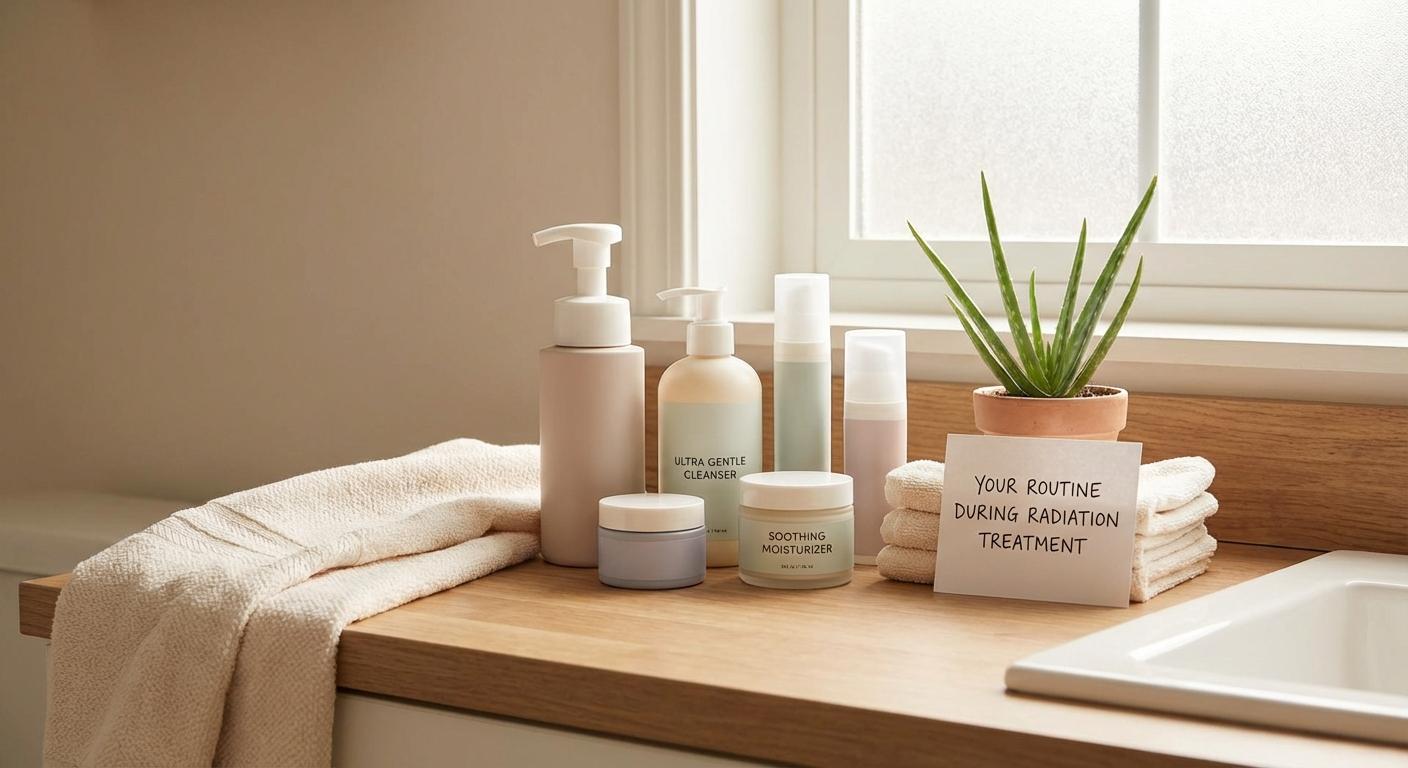
Radiation therapy works by targeting rapidly dividing cells with high-energy particles, and while it is remarkably effective at treating cancer, the skin in the treatment area often becomes collateral damage. Your skin cells divide quickly too, which means the radiation affects them alongside the cancer cells you are trying to eliminate. Understanding this biological reality is the first step toward building a skincare routine that supports your skin through treatment.
Before I share any specific recommendations, I need to emphasize something crucial: your radiation oncology team must be your primary source of guidance. Every treatment protocol is different, every patient responds uniquely, and your medical team has access to information about your specific situation that no article can replicate. What I am offering here is general education to help you understand the principles behind radiation skincare, but always defer to your oncologist, radiation therapist, and dermatologist.
What Happens to Your Skin During Radiation
Radiation dermatitis is the clinical term for the skin reaction that occurs during radiation therapy. According to research published in clinical oncology journals, up to 95% of breast cancer patients develop some degree of radiation dermatitis during or following treatment. This is not a rare side effect but rather an expected part of the process for most patients.
Healthcare professionals use the RTOG (Radiation Therapy Oncology Group) scale to grade skin reactions from 0 to 4. Grade 0 means no visible changes, while Grade 1 might show faint redness similar to a mild sunburn. Grade 2 involves more significant redness and possibly some dry peeling. Higher grades can include moist desquamation (where the skin becomes weepy) and, in rare cases, ulceration. Most patients experience Grade 1 or 2 reactions, which are uncomfortable but manageable with proper care.
The timing of these reactions follows a predictable pattern based on skin cell turnover. You might not notice much during the first week or two, but as treatment progresses and the cumulative dose increases, the skin in the treatment field begins to show signs of stress. This typically peaks toward the end of treatment or in the week or two following completion.
The Core Principles of Radiation Skincare
Your skincare routine during radiation therapy should prioritize three things: gentleness, simplicity, and consistency. This is not the time for elaborate multi-step routines or experimenting with new products. Think of your skin as being in recovery mode, and treat it accordingly.
The American Academy of Dermatology recommends using only products approved by your radiation oncology team. This means having a conversation before treatment begins about what you can and cannot use. Many treatment centers provide their patients with specific product recommendations or even sample products they have vetted for safety.
Cleansing should be gentle and brief. Use lukewarm water (never hot) and a mild, fragrance-free soap. Memorial Sloan Kettering Cancer Center guidelines specifically advise against using washcloths, scrubbing cloths, loofahs, or brushes on the treatment area. Pat your skin dry with a soft towel rather than rubbing. These seem like small details, but when your skin is sensitized by radiation, mechanical friction can cause significant irritation.
Moisturizing: What the Research Shows
Moisturizing is one area where there is good evidence supporting its benefits during radiation therapy. Starting a moisturizer at the beginning of treatment, rather than waiting for skin reactions to develop, can help minimize their severity. However, timing matters significantly.
Most treatment centers require that you not apply any products to the treatment area within 2-4 hours before your radiation session. This is because residue on the skin can potentially affect radiation dose distribution. Your team will give you specific timing instructions, but a common approach is to apply moisturizer after your daily treatment and again before bed.
The types of moisturizers that have shown benefit in clinical studies include general emollient creams like Aquaphor, Eucerin, and similar fragrance-free options. Some treatment centers specifically recommend film-forming silicone gels, which create a protective barrier over the skin. Products containing calendula have also shown promise in some studies for their anti-inflammatory properties.
What you should avoid is anything with fragrance, alcohol, or strong active ingredients. Even products labeled “unscented” may contain masking fragrances that can irritate sensitized skin. Look specifically for “fragrance-free” on the label.
Products and Practices to Avoid
The list of things to avoid during radiation therapy is extensive, and your treatment team will likely provide you with written instructions. Some key items that frequently appear on these lists include:
- Perfumes, colognes, and scented body products
- Alcohol-based products including astringents and toners
- Petroleum-based products (though some centers allow Aquaphor, so check with yours)
- Antiperspirants and deodorants containing aluminum (though recent research suggests these may be safer than previously thought, always follow your team’s guidance)
- Makeup on the treatment area
- Adhesive bandages or tape on the treatment field
- Heating pads, ice packs, or extreme temperature exposure
- Hot tubs, saunas, or steam rooms
- Tight or irritating clothing over the treatment area
Shaving the treatment area requires special consideration. If you need to shave, use only an electric razor, never a manual one. The risk of nicks and cuts is simply too high when the skin is compromised, and any break in the skin barrier increases infection risk.
Clothing and Comfort Measures
What you wear matters during radiation therapy. Loose-fitting, soft cotton clothing minimizes friction against sensitized skin. If you are receiving treatment to the chest area, many centers recommend avoiding underwire bras and switching to soft, wire-free alternatives. For those receiving treatment to the head and neck area, avoid tight collars and rough fabrics.
Environmental factors also play a role. Protect the treatment area from direct sunlight, even through windows. This recommendation extends well beyond treatment completion because radiation permanently increases your skin’s sensitivity to UV damage. Lifelong sun protection with broad-spectrum SPF 30 or higher is recommended for previously irradiated skin, though you should wait to apply sunscreen until your skin has healed and your team has cleared you to do so.
When to Contact Your Medical Team
Certain symptoms warrant immediate communication with your radiation oncology team. These include sudden worsening of skin reactions, signs of infection (increased warmth, swelling, pus, or fever), severe pain that is not controlled by your current management plan, or any new symptoms that concern you.
Your team may prescribe additional interventions for more severe reactions, including topical steroids like betamethasone cream, specialized dressings, or adjustments to your treatment schedule. These decisions require clinical expertise and should never be made independently based on internet research.
Building Your Actual Routine
A practical daily routine during radiation therapy might look something like this, though you should modify based on your team’s specific instructions:
Morning (if your treatment is later in the day): Gentle cleanse with lukewarm water and fragrance-free soap, pat dry, apply approved moisturizer. Skip this application if your treatment is within 2-4 hours.
Post-treatment: If needed, gently cleanse again. Apply approved moisturizer to clean, dry skin.
Evening: Gentle cleanse, pat dry, apply moisturizer before bed.
The simplicity of this routine is intentional. Your skin needs rest and basic support, not stimulation or complex interventions. Think of it as giving your skin the minimum it needs to do its job of healing.
After Treatment Ends
Skin reactions often peak in the one to two weeks following the completion of radiation therapy. This can be emotionally challenging because you might expect things to immediately improve once treatment stops. Continue your gentle skincare routine during this period and maintain close communication with your team.
As your skin heals, you can gradually reintroduce products under your dermatologist’s guidance. This is not an immediate process. Give your skin several weeks to recover before adding anything beyond basic cleansing and moisturizing. When you do start to expand your routine, introduce one product at a time and watch for any reactions.
For more information about building a gentle skincare routine for sensitive skin, you might find helpful guidance on our blog once your treatment team has cleared you to resume a more typical skincare approach.
The Emotional Dimension
Skincare during cancer treatment is about more than just managing physical symptoms. For many people, maintaining some version of a self-care routine provides a sense of normalcy and control during an overwhelming time. Even if your routine is reduced to the bare minimum, the act of caring for yourself can be grounding.
At the same time, be patient with yourself. If applying moisturizer feels like too much some days, that is okay. If you are too tired for anything beyond a quick rinse, that is okay too. The goal is comfort and healing, not perfection.
Your medical team is your most important resource throughout this process. They understand your specific treatment protocol, your individual skin reactions, and the full picture of your health. Use this article as a starting point for conversations with them, but always defer to their expertise for decisions about your care.