
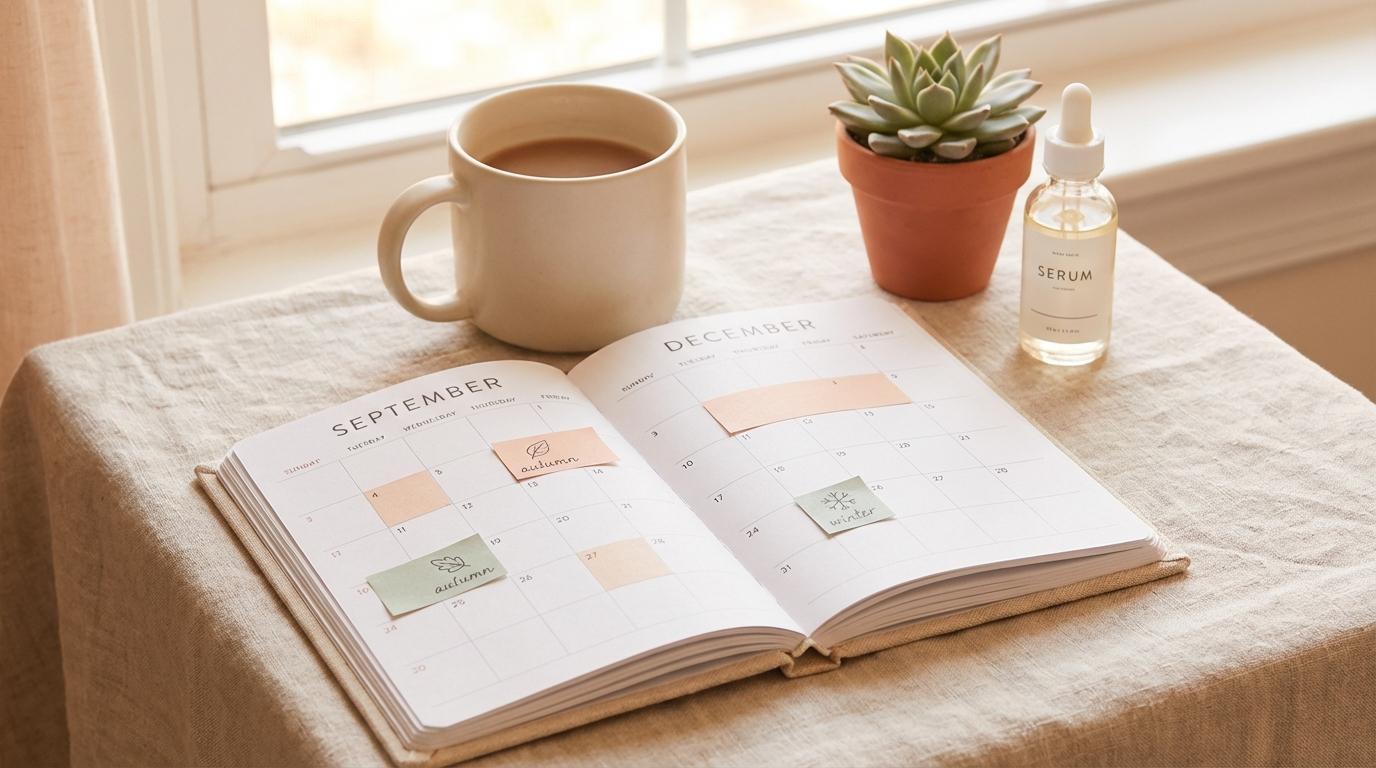
Have you ever stared at a bottle of serum that used to make your skin glow and thought, “Why is this doing absolutely nothing for me anymore?” Because same. It is one of the most common frustrations in skincare, and it sends people on an endless cycle of swapping products every few months, convinced their skin has become immune. But here is the thing: your skin does not actually work that way.
Your Skin Is Not Building Resistance
The idea that skin builds tolerance to skincare products the way your body might build tolerance to caffeine or certain medications is, to put it bluntly, a myth. Your skin cells do not have a mechanism for becoming “immune” to hyaluronic acid or niacinamide. A moisturizer that hydrates your skin on day one uses the same chemistry to hydrate your skin on day three hundred. The active ingredients do not become less effective because your skin got used to them.
There is one exception worth mentioning: topical steroids. Dermatologists use the term “tachyphylaxis” to describe the reduced response that can happen with prolonged steroid use. But this applies to prescription-strength corticosteroids, not your daily vitamin C serum or your AHA toner. The two situations are completely different, and lumping them together is where a lot of the confusion starts.
So Why Does It Feel Like Products Stop Working?
This is the real question (and honestly, a more interesting one). Several things happen over time that can create the illusion that a product has lost its effectiveness.
The biggest one is diminishing returns. When you first start using a well-formulated product, your skin is at its baseline. If you add a vitamin C serum and your skin gets brighter, that initial improvement is dramatic and obvious. But once your skin reaches its new, improved state, the serum is still working. It is maintaining that brightness. You just stop noticing the difference because your eyes have adjusted to the “new normal.” It is like moving to a city with amazing sunsets. The first week, you are photographing every single one. Six months in, you barely glance out the window. The sunsets did not get worse.
Another factor is confirmation bias. Once you start suspecting a product is not working, you pay more attention to every imperfection. That tiny bump you would have ignored three months ago suddenly becomes evidence that your serum has “stopped working.” Your skin might actually be in the same condition (or even better), but your perception has shifted.
Your Skin Changes, Even If Your Products Do Not
Your skin is a living organ, and it is constantly responding to what is happening in your life and your environment. The moisturizer that worked perfectly in October might feel insufficient by January because the air is drier, your heater is running all day, and your skin’s hydration needs have genuinely increased. That is not the product failing. That is your skin needing something different.
Hormonal shifts are another big one. Your menstrual cycle, starting or stopping birth control, stress levels, pregnancy, even changes in sleep quality can all alter your skin’s behavior. If you started a new retinol during a relatively calm period and then hit a stressful month at work, the breakouts that follow are not the retinol “stopping.” They are your stress hormones doing their thing. Skincare expert Renee Rouleau explains that these external factors are almost always the real culprit when products seem to lose their effect.
Age matters too. Your skin at 23 has different needs than your skin at 28 or 33. Sebum production changes, cell turnover slows, hydration levels shift. A routine that was perfect two years ago might genuinely need updating, but not because the products became less effective. Your skin simply moved on.
The Seasonal Factor Nobody Talks About Enough
This one is underrated. Most people maintain the same routine year-round and then wonder why their skin looks different in summer versus winter. Humidity levels, UV exposure, indoor heating, air conditioning: all of these affect how your skin behaves and what it needs from your products.
A lightweight gel moisturizer that keeps you perfectly balanced in July might leave you feeling tight and flaky in December. That gel did not stop working. December air is just pulling more moisture out of your skin than July air was. Similarly, the rich cream that saved your skin in winter might feel heavy and congestion-causing once spring humidity kicks in.
Instead of replacing products you like, try adjusting your routine seasonally. Keep your core products (cleanser, SPF, maybe your favorite serum) and swap just one or two things to match the weather. It is less expensive, less disruptive, and usually more effective than a complete overhaul.
The Retinoid Exception (Sort Of)
Retinoids deserve their own section because the tolerance conversation actually applies here, but not in the way people think. When you start using retinol or tretinoin, your skin often reacts with dryness, peeling, and redness. Over weeks, those side effects calm down. Your skin has built tolerance to the irritating effects of the retinoid. But (and this is important) the anti-aging and acne-fighting benefits are still happening. Your skin adapted to tolerate the ingredient better, not to resist its benefits. If anything, retinoids become more effective over time as your skin adjusts and you can use them more consistently.
So if you started tretinoin and the peeling stopped after six weeks, that does not mean it is time to increase the strength. It means your skin is handling it well, and the product is doing exactly what it should be doing beneath the surface.
When You Should Actually Switch Products
There are legitimate reasons to change your routine. They just have nothing to do with tolerance.
- Your skin concern has changed. You treated your acne successfully and now want to focus on texture or hyperpigmentation. Different concern, different actives.
- A product has expired or degraded. Vitamin C serums in particular oxidize over time. If your serum turned dark orange or brown, it has lost potency, but that is the product degrading, not your skin adapting.
- Your environment changed. You moved, the seasons shifted, or your indoor environment is different (new job with intense air conditioning, for example).
- Your hormones changed. New birth control, stopping birth control, perimenopause, or major stress can all warrant routine adjustments.
- You introduced a new product that conflicts. Sometimes a new addition creates interactions that reduce the effectiveness of something already in your routine.
If none of these apply and you just feel like a product is not doing what it used to, give it another honest month. Pay attention to your skin’s actual condition rather than your perception of it. Take photos in consistent lighting if that helps. You might be surprised to find that the product is still pulling its weight.
Stop Chasing the First-Time Feeling
Part of what drives the product-swapping cycle is chasing that initial wow factor. The first time you use a good AHA, your skin feels smoother than it has in months. The first time you try a solid hyaluronic acid serum, your face feels plump and dewy. That initial reaction is real, but it is the correction of a deficit. Once the deficit is corrected, maintenance feels less exciting, even though it is just as valuable.
Consistency is genuinely the most underrated part of skincare. Using the same effective products for months (or years) is not boring. It is how good skin actually works. And sometimes, taking a brief break from your routine can actually reset your appreciation for how much your products are doing. The best routine is one you can maintain without constantly second-guessing whether it is still “working.” Because most of the time, it is.