
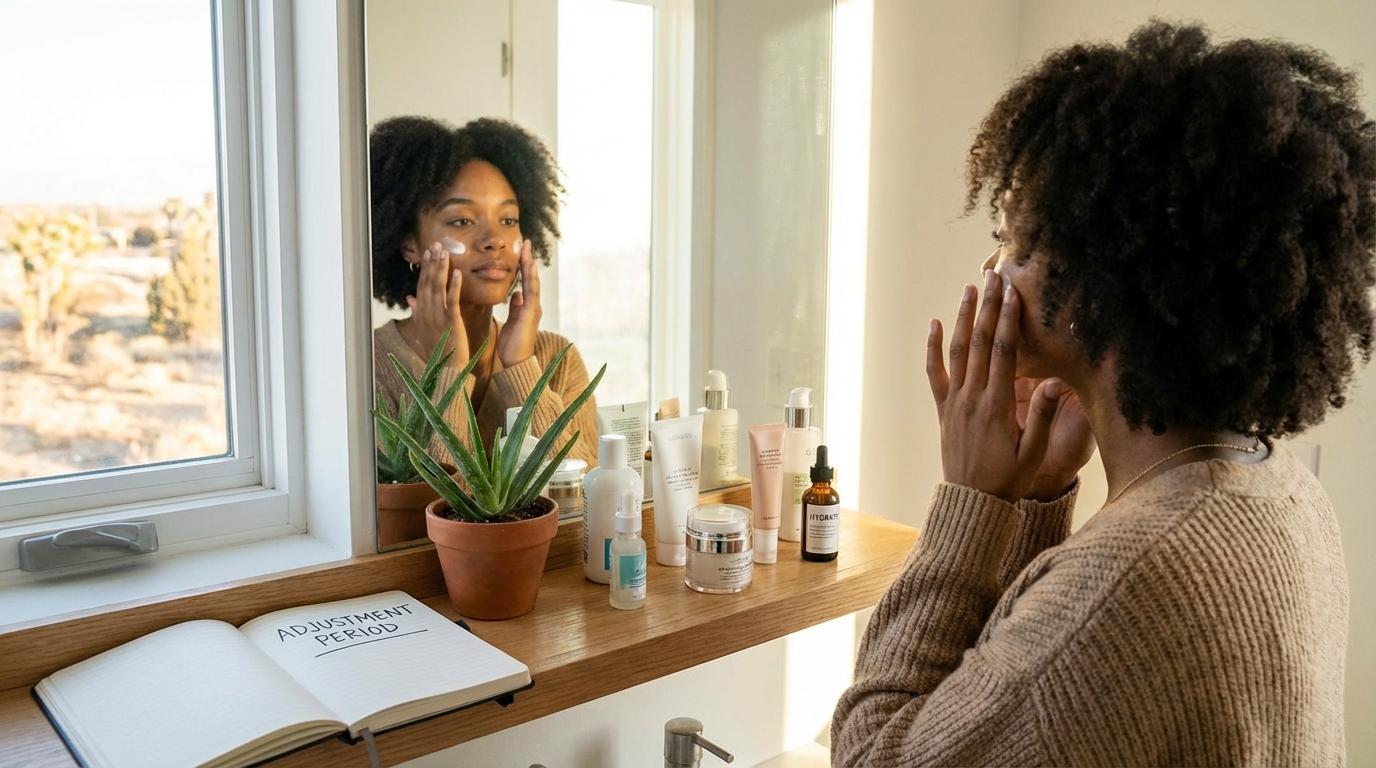
Moving to a new city is stressful enough without your skin deciding to throw a tantrum. But here’s the thing: when you relocate to a different climate, your skin doesn’t just pack up and adjust overnight. It needs time, patience, and usually a few product swaps to find its footing again.
Whether you’re trading humid summers for dry mountain air or swapping mild coastal weather for harsh winters, your skin barrier is about to go through an adjustment period. The good news? Once you understand what’s happening and how to respond, you can help your skin settle into its new home faster.
Why Climate Changes Affect Your Skin So Much
Your skin is constantly responding to its environment. Temperature, humidity, UV exposure, wind, and even air quality all play a role in how your skin looks and feels. When you move somewhere new, these factors can shift dramatically, and your skin has to recalibrate.
The biggest factor is usually humidity. High humidity environments keep your skin naturally hydrated because there’s more moisture in the air. Low humidity does the opposite, pulling water from your skin and leaving it dry, tight, and sometimes flaky. According to ISDIN’s dermatology research, over time, low humidity can seriously compromise your skin barrier functions.
Temperature matters too. Cold weather causes blood vessels to constrict, which reduces circulation to your skin. This can leave you looking paler and feeling more sensitive. Hot, humid climates can ramp up oil production and make breakouts more likely.
The Adjustment Period: What to Expect
Here’s what nobody tells you before you move: your skin might freak out for a while, and that’s normal. According to Reviva Labs, it typically takes a few weeks to several months for skin to fully adapt to a different climate.
During this time, you might experience:
- Unexpected dryness or oiliness
- Breakouts in places you don’t usually get them
- Increased sensitivity or redness
- Your usual products suddenly not working
- Texture changes or rough patches
The general rule? Give your skin about two weeks before making drastic changes to your routine. Your body needs time to acclimatize, and sometimes what looks like a skincare problem is just temporary adjustment. However, if things aren’t improving after a month, it’s time to reassess your products.
Moving to a Dry or Cold Climate
If you’re relocating somewhere with dry air, cold winters, or both, hydration becomes your top priority. The air literally pulls moisture from your skin, so you need to work harder to keep it in.
Switch to a Richer Moisturizer
That lightweight gel moisturizer that worked perfectly in your humid hometown? It probably won’t cut it anymore. Look for cream-based moisturizers with occlusive ingredients like shea butter, squalane, or ceramides. These create a protective barrier that prevents moisture from escaping.
Add Hydrating Layers
Layering becomes important in dry climates. Start with a hydrating serum, like one with hyaluronic acid, then follow with your moisturizer. This two-step approach gives your skin more hydration to work with.
Get a Humidifier
Indoor heating makes dry climates even drier. Running a humidifier in your bedroom adds moisture back into the air while you sleep, giving your skin a break from the constant dehydration. As recommended by Pour Moi Skincare, this is one of the most effective investments you can make for your skin in a dry climate.
Rethink Your Cleanser
Foaming cleansers can strip your skin when humidity is low. Switch to a gentle, creamy or milky cleanser that cleans without removing your natural oils. Your skin needs those oils more than ever.
Go Easy on Actives
Strong actives like retinol, AHAs, and vitamin C can be more irritating when your skin barrier is already stressed from the climate change. You don’t have to stop using them entirely, but consider reducing frequency until your skin adjusts.
Moving to a Humid or Hot Climate
Relocating somewhere tropical or humid brings different challenges. Your skin might suddenly produce more oil, and products that felt fine before might feel heavy and clogging.
Lighten Up Your Moisturizer
Heavy creams can feel suffocating in humid weather. Switch to gel or water-based moisturizers that hydrate without adding extra weight. Look for ingredients like hyaluronic acid and glycerin rather than thick butters and oils.
Double Down on Cleansing
Sweat, excess oil, and sunscreen buildup are more of an issue in hot climates. Make sure you’re cleansing thoroughly at night, and consider adding an oil cleanser or micellar water as a first step to really dissolve everything.
Watch for Breakouts
Humidity can increase sebum production, which means more potential for clogged pores. Keep an eye on how your skin responds and have some salicylic acid or benzoyl peroxide on hand for spot treating.
SPF Is Non-Negotiable
You probably already know this, but UV exposure tends to be more intense in sunny climates. Make sure you’re using a broad-spectrum SPF 30 or higher daily, and reapply if you’re spending time outside.
Product Swaps You Might Need to Make
Sometimes your entire routine needs an overhaul. Other times, just one or two swaps make all the difference. Here’s a quick reference:
If you’re moving somewhere drier:
- Swap foaming cleanser for cream cleanser
- Swap gel moisturizer for cream moisturizer
- Add a hydrating serum or toner
- Add an occlusive layer at night, like Vaseline or a sleeping mask
- Consider reducing retinol frequency
If you’re moving somewhere more humid:
- Swap heavy cream for lightweight gel moisturizer
- Add a gentle exfoliant to prevent clogged pores
- Switch to a mattifying or water-resistant sunscreen
- Keep oil-absorbing papers or setting powder handy
Give Your Skin Time Before Panicking
The biggest mistake people make when moving to a new climate is overcorrecting too fast. You notice your skin is dry, so you pile on five new products. Or you break out once and strip your routine down to nothing.
Instead, make changes gradually. According to Being Expat, it can take anywhere from a few weeks to a year for your body to fully acclimate to a new environment. Your skin is part of that process.
Start with the basics: keep your skin clean, moisturized, and protected from the sun. Then observe. What specific issues are you seeing? Address those one at a time rather than overhauling everything at once.
Other Factors to Consider
Climate isn’t the only thing that changes when you move. These related factors can also affect your skin:
- Water quality: Hard water in your new location can irritate skin and leave residue. A filtered showerhead can help.
- Altitude: Higher elevations mean drier air and more UV exposure. Take both into account.
- Stress: Moving is stressful, and stress affects your skin. Cut yourself some slack during the transition.
- Diet changes: New foods, different water, less routine. All of this can show up on your face temporarily.
When to See a Dermatologist
If your skin issues persist for more than two to three months despite adjusting your routine, it might be worth consulting a dermatologist in your new location. They can help you understand local environmental factors and create a skincare plan tailored to your new climate. According to Garnier, professional guidance can be especially helpful for people whose skin is struggling to adapt.
Some specific signs you should seek help:
- Persistent eczema flares or new eczema patches
- Severe acne that doesn’t respond to over-the-counter treatments
- Extreme sensitivity or allergic reactions
- Rashes that won’t go away
The Bottom Line
Moving to a new climate is an adjustment for your whole body, and your skin is no exception. Expect a transition period of a few weeks to a few months where things might feel off. Pay attention to what your skin is telling you, make gradual changes to your routine, and resist the urge to panic-buy a whole new skincare collection on day one.
Most importantly, be patient with yourself and your skin. You’re both figuring out how to thrive in a new environment. With the right approach and a little time, your skin will settle in just like you will.