
People assume that breakouts after hair removal are just part of the deal, a tax you pay for smooth skin. They are not. Most post-hair-removal breakouts are preventable, and the ones that do pop up are usually treatable within days if you know what is actually going on with your skin.
Waxing vs Shaving: Different Methods, Different Breakouts
Waxing and shaving remove hair through completely different mechanisms, and the skin problems they cause are not identical either. Understanding the difference matters because the prevention and treatment strategies are not the same.
Shaving cuts hair at the surface. The blade slides across your skin and slices each strand at or just above the skin line. When that hair starts growing back, the freshly cut edge is sharper than a naturally tapered hair tip. If the follicle opening has any dead skin buildup or if the hair curls slightly as it grows, that sharp edge can poke back into the surrounding skin instead of growing straight out. That is an ingrown hair. It is also why shaving-related bumps tend to appear one to three days after you shave, right when regrowth kicks in.
Shaving can also cause micro-cuts and abrasions, especially with a dull blade or without enough lubrication. Those tiny nicks let bacteria in, leading to small red inflamed bumps that look like acne but are technically a mild form of folliculitis (infection of the hair follicle).
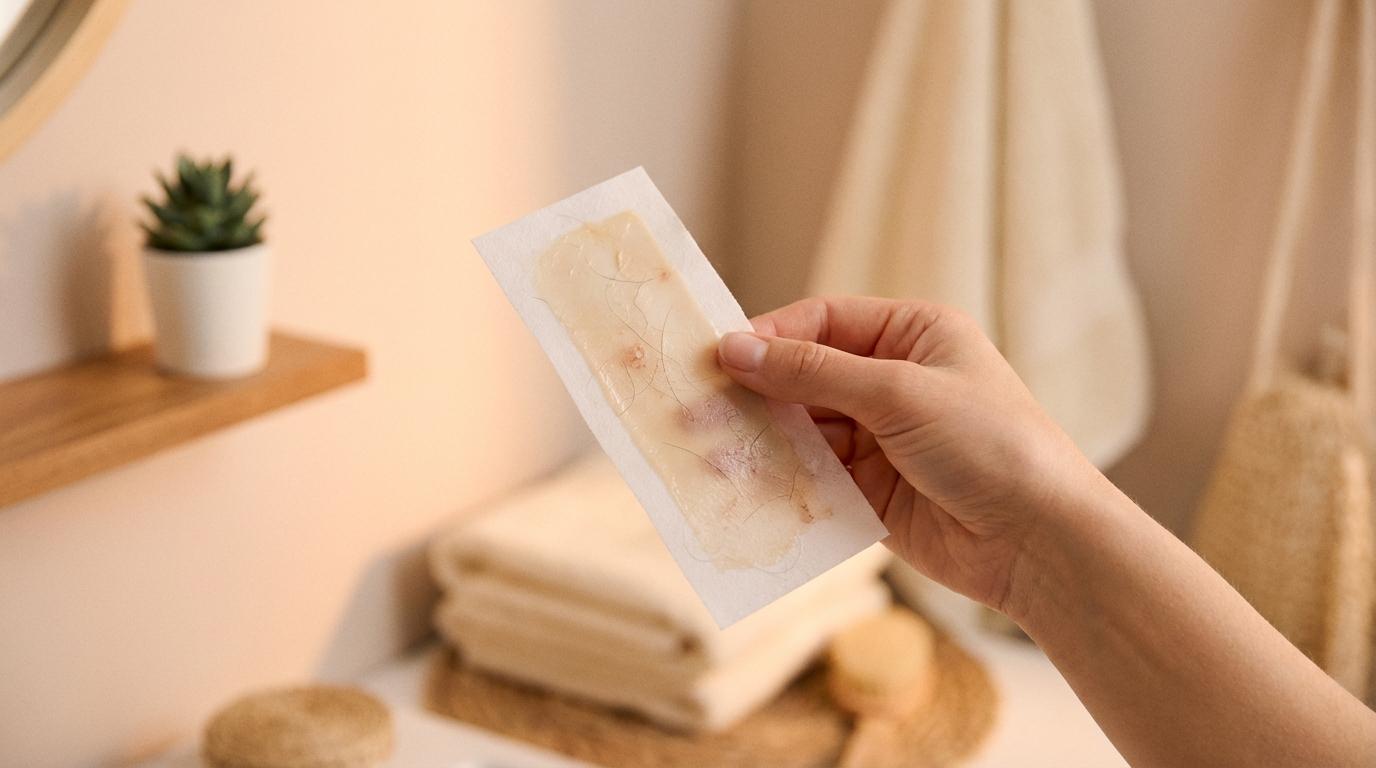
Waxing yanks hair out from the root. The follicle is emptied entirely, and it takes longer for the hair to grow back. But pulling hair from the root is traumatic to the follicle and the surrounding skin. The immediate aftermath often includes redness, swelling, and sensitivity. Some follicles respond by producing an inflammatory reaction that looks like a cluster of tiny pimples. This is not acne in the traditional sense. It is your skin reacting to the trauma of having hair ripped out of it.
Waxing breakouts tend to appear within hours to a day after the appointment. They usually resolve on their own within a few days. But if the waxed area gets contaminated with bacteria (touching the area with dirty hands, wearing tight clothing that traps sweat, or applying heavy products too soon after waxing), those bumps can develop into genuine infected folliculitis.
The Ingrown Hair Confusion
A lot of what people call “acne from hair removal” is actually ingrown hairs. They look similar, they feel similar, and they show up in the same spots. But the cause is different, and that means the fix is different too.
Ingrown hairs happen when a hair grows back into the skin instead of growing out of the follicle. The body treats that trapped hair like a foreign invader and mounts an inflammatory response. You get a red, sometimes painful bump that might have a visible hair curled up underneath the surface. Squeezing it is tempting (I know, I know) but usually makes it worse by pushing the hair deeper or introducing bacteria.
People with curly or coily hair textures are more prone to ingrown hairs because the natural curl pattern makes it easier for the hair to re-enter the skin as it grows. This is not a hygiene issue. It is a structural one. Certain areas of the body, like the bikini line, underarms, and along the jawline, are also more susceptible because the hair there tends to be coarser and the skin is frequently subjected to friction from clothing.
If you are not sure whether you are dealing with ingrown hairs or actual acne, look at the location and timing. Ingrown hairs cluster where you recently removed hair and appear during the regrowth phase. Acne can pop up anywhere and is not tied to your shaving schedule.
Preventing Post-Removal Breakouts
The prevention playbook changes depending on your method, but some basics apply across the board:
Before shaving:
- Shave during or right after a warm shower when skin is soft and pores are relaxed.
- Use a clean, sharp blade. Dull razors drag across skin and increase micro-cuts. Replace disposable razors every five to seven shaves.
- Apply a fragrance-free shaving cream or gel. Do not dry-shave. The lubrication reduces friction and helps the blade glide instead of catching.
- Shave in the direction of hair growth. Going against the grain gives a closer shave but dramatically increases ingrown hair risk.
Before waxing:
- Gently exfoliate the area a day before your appointment (not the day of). This removes dead skin cells sitting over follicle openings so the wax can grip hair more cleanly.
- Make sure hair is long enough for wax to grab, usually about a quarter inch. Waxing hair that is too short leads to incomplete removal and more irritation.
- Avoid retinoids and strong exfoliating acids on the area for at least three days before waxing. These ingredients thin the top layer of skin, making it more vulnerable to tearing during the wax.
For both methods:
- Do not touch the freshly hair-removed area with unwashed hands.
- Avoid tight clothing over the area for at least a few hours. Friction plus freshly exposed follicles is a recipe for bumps.
- Skip the gym for 24 hours after waxing. Sweat plus open follicles plus gym equipment bacteria is a combination your skin does not need.
Aftercare That Actually Works
What you do in the 48 hours after hair removal matters more than most people think. This is the window where breakouts either develop or get prevented.
Immediately after: Apply a lightweight, fragrance-free moisturizer or aloe vera gel to calm the skin. Avoid anything with heavy fragrance, alcohol, or active acids on freshly waxed or shaved skin. Your barrier is compromised, and strong ingredients will sting and potentially cause more irritation.
Starting 24-48 hours after: Begin gentle exfoliation. A product with salicylic acid (1% to 2%) helps keep follicle openings clear and prevents dead skin from trapping regrowing hairs. Use it every other day. Chemical exfoliation is better than physical scrubs here because scrubs can irritate already-sensitive post-removal skin.
Ongoing: Keep the area moisturized. Dry, flaky skin is more likely to trap ingrown hairs. A simple, unscented body lotion applied daily is enough. Products with urea or lactic acid at low concentrations (under 10%) are excellent for areas prone to ingrown hairs because they gently exfoliate while hydrating.
If you get a bump that is red, swollen, and painful, apply a warm compress for five to ten minutes a few times a day. This softens the skin and can help a trapped hair work its way to the surface. Resist the urge to dig it out with tweezers. If it does not resolve within a week, see a dermatologist.
One more thing worth knowing: not every bump after hair removal is an ingrown or a breakout. Sometimes those bumps are actually folliculitis masquerading as acne, which needs a different treatment approach entirely. And if you have persistent bumpy texture on your arms or legs that does not match up with your hair removal schedule, that might be keratosis pilaris, which is a completely separate skin condition. Knowing what you are actually dealing with saves you from throwing products at a problem they were never designed to solve.