
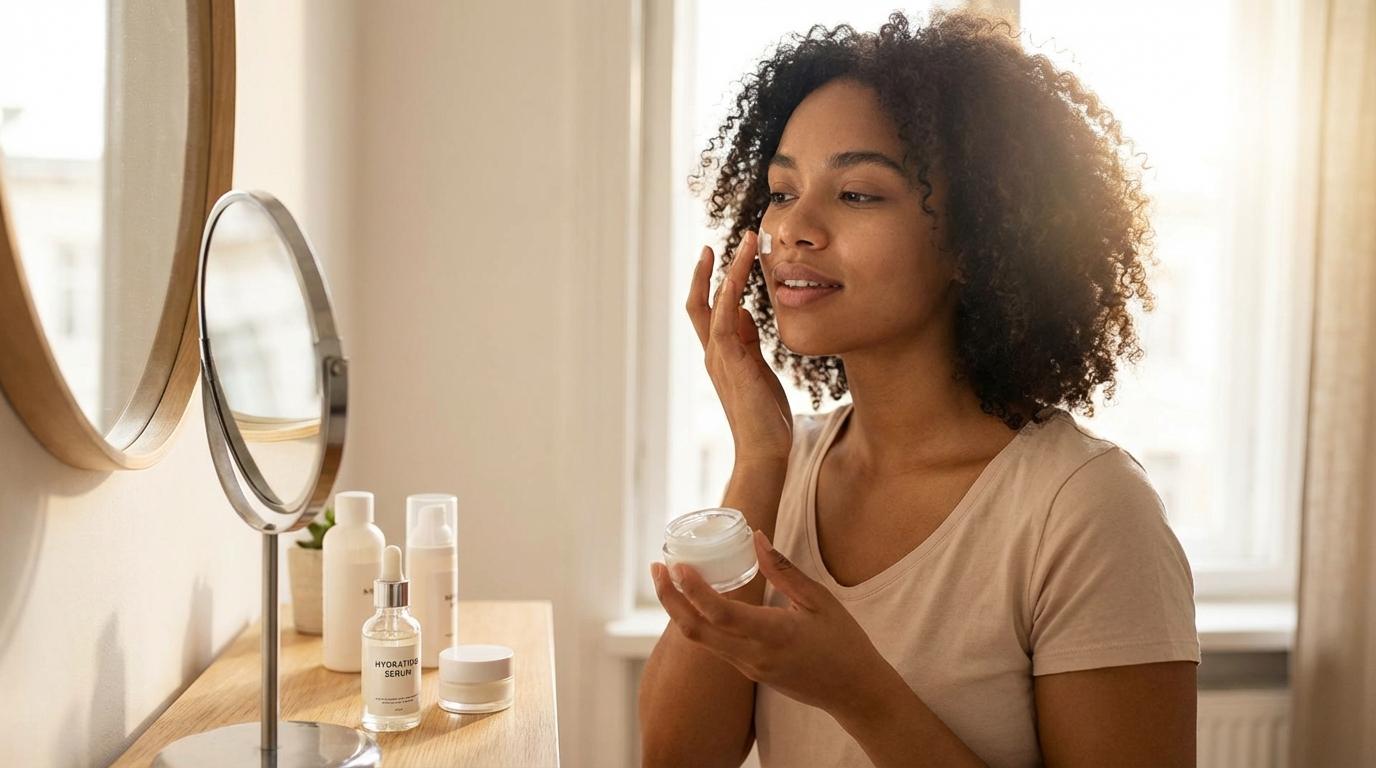
If you’re still reaching for the same products you used in high school to fight your breakouts, I need you to stop right there. Your skin at 25, 30, or 35 is fundamentally different from your skin at 16. And that means your acne is different too. What worked when you were cramming for finals and dealing with puberty-fueled oil slicks probably won’t cut it now. In fact, it might be making things worse.
About 50% of women in their 20s and 25% of women in their 40s deal with hormonal acne. You’re absolutely not alone in this, and you’re not doing something wrong. Your skin has simply changed, and your approach needs to change with it.
Why Teen Acne and Adult Acne Are Not the Same Thing
Here’s what’s actually happening on a biological level. Teen acne is primarily driven by the surge of androgens during puberty. These hormones cause your oil glands to go into overdrive, creating the perfect environment for acne-causing bacteria to thrive. That’s why so many teen treatments focus on drying out the skin and killing bacteria.
Adult acne? It’s a different story. Dermatologists note that adult women often have a hormonal type of acne that looks and behaves completely differently from the classic teenage variety. The pattern on your face is different. The way it flares up is different. And crucially, what triggers it is different.
While teen acne tends to spread across the forehead, nose, and cheeks (the classic T-zone), adult acne gravitates toward the lower face. If you’re breaking out along your jawline, around your mouth, or on your chin, that’s a telltale sign of hormonal acne. Your monthly cycle, stress levels, and even your diet can trigger these breakouts in ways they never did when you were younger.
Your Skin Is Less Resilient Now (And That’s Normal)
One of the biggest mistakes I see women make is treating adult acne with the same aggressive approach they used as teenagers. Back then, your skin could handle benzoyl peroxide washes, harsh toners, and multiple drying treatments without completely falling apart. Your oil production was higher, your cell turnover was faster, and your skin bounced back quickly.
Now? Not so much. Teen skin is usually oilier and can tolerate more potent drying medications, while adult acne requires milder, less drying approaches. When you strip your adult skin with the same intensity you did at 17, you often end up with a damaged moisture barrier, increased sensitivity, and paradoxically, more breakouts.
Your skin regenerates more slowly now too. This means that picking at a pimple or using overly harsh treatments can lead to scarring and hyperpigmentation that lingers much longer than it would have in your teens. What healed in a week at 16 might take months to fade at 30.
Hormonal vs. Bacterial: Understanding the Root Cause
This is where things get really interesting from a scientific standpoint. Teen acne treatment typically focuses on killing bacteria, specifically Cutibacterium acnes (formerly known as Propionibacterium acnes). Antibiotics, benzoyl peroxide, and other antimicrobial treatments work by reducing this bacterial population.
But here’s the thing about adult hormonal acne: dermatologists generally don’t target bacteria when treating it. Instead, they focus on the hormonal triggers themselves. That’s why treatments like spironolactone (which blocks androgen receptors) and certain birth control pills are often more effective for adult women than traditional antibiotics.
This doesn’t mean bacteria plays zero role in adult acne. But if you’re only addressing the bacterial component and ignoring the hormonal driver, you’re essentially putting a bandaid on the problem while the root cause continues unchecked.
Hydration Matters More Than You Think
I cannot stress this enough: moisturizing is not optional when you’re dealing with adult acne. I know it feels counterintuitive. You have acne, your skin feels oily in spots, why would you add more moisture? But adult skin, even acne-prone adult skin, needs hydration.
When your moisture barrier is compromised (from age, harsh treatments, or environmental factors), your skin actually produces more oil to compensate. This can worsen breakouts and create a frustrating cycle where you strip your skin, it overproduces oil, you strip it again, and on and on. This seemingly contradictory need for hydration in oily, acne-prone skin is one of the most misunderstood aspects of adult skincare.
The solution is a lightweight, oil-free moisturizer that won’t clog your pores. Gel moisturizers work beautifully for this. By giving your skin the hydration it needs, you actually help regulate oil production rather than fighting against your skin’s natural processes.
And please, never skip sunscreen. UV exposure can worsen acne scarring and hyperpigmentation, which are already bigger concerns for adult skin. Look for non-comedogenic formulas that won’t contribute to breakouts.
The Anti-Aging While Treating Acne Balancing Act
Here’s the frustrating reality many women in their late 20s and beyond face: you’re dealing with acne AND early signs of aging at the same time. Fine lines showing up? Yep. Breakouts along your jaw? Also yep. It feels unfair, and honestly, it kind of is.
The good news is that some ingredients pull double duty. Retinoids are the MVP here. They increase cell turnover (which helps clear acne), reduce oil production, AND stimulate collagen production (which addresses fine lines and texture). Start with a low concentration and build up slowly, as retinoids can be irritating at first.
Niacinamide is another ingredient that works for both concerns. It helps regulate sebum production, has anti-inflammatory properties that can calm acne, and also supports your skin barrier while improving the appearance of pores and uneven skin tone.
What you want to avoid is layering too many actives at once. Using a retinoid, a strong chemical exfoliant, and multiple acne treatments simultaneously is a recipe for irritation, especially on adult skin. Pick your battles and introduce products gradually.
Building a Routine That Actually Works
Let me break down what a solid adult acne routine might look like:
Morning: Start with a gentle cleanser. Not a harsh acne wash, just something that removes overnight buildup without stripping your skin. Follow with a niacinamide serum, which helps with oil control and inflammation without being harsh. Apply a lightweight, non-comedogenic moisturizer, then finish with SPF 30 or higher.
Evening: Double cleanse if you wear makeup or sunscreen (an oil cleanser followed by your regular cleanser). Two to three nights a week, use a retinoid. On off nights, you can use a gentle mandelic acid or azelaic acid product for additional exfoliation and brightening. Always follow with moisturizer.
Notice what’s missing? Multiple drying treatments. Harsh scrubs. Pore strips. Alcohol-based toners. These might give you temporary satisfaction, but they ultimately work against adult skin.
When to Consider Professional Help
Topical products can only do so much for hormonal acne. If you’ve been consistent with a gentle, appropriate routine for three months and you’re still dealing with persistent breakouts, it might be time to see a dermatologist.
They can evaluate whether prescription treatments like spironolactone, tretinoin, or certain birth control pills might be appropriate for you. These medications address hormonal acne at its source, which is something no cleanser or serum can do.
Isotretinoin (formerly known as Accutane) is usually reserved for severe cases due to its potential side effects, but it’s extremely effective when nothing else works. A dermatologist can help you weigh the risks and benefits based on your specific situation.
Lifestyle Factors That Move the Needle
Diet matters more for adult acne than you might expect. Research suggests that reducing dairy intake, particularly fat-free dairy, and cutting back on high glycemic foods can help improve hormonal acne. This isn’t about perfection or cutting out entire food groups. It’s about being aware that what you eat can influence your skin.
Stress management is another piece of the puzzle. Chronic stress elevates cortisol, which can trigger hormonal fluctuations that lead to breakouts. Sleep, exercise, and whatever stress-relief practices work for you aren’t just good for your mental health. They’re good for your skin too.
Stop Fighting Your Skin and Start Working With It
The biggest mindset shift you can make is this: adult acne requires partnership with your skin, not warfare against it. Your skin is trying to tell you something. Maybe it needs more hydration. Maybe your hormones are out of balance. Maybe your routine is too harsh. Listen to what it’s communicating.
Treating adult acne is truly a holistic process. There’s no single product that will magically clear everything up overnight. But by understanding why your adult skin behaves differently than it did when you were younger, you can build a routine that addresses your actual concerns rather than fighting battles that aren’t relevant anymore.
Your 16-year-old self didn’t know what she knows now. And honestly? Neither did the skin you had back then. It’s time to treat both of you with the care and nuance you deserve.