
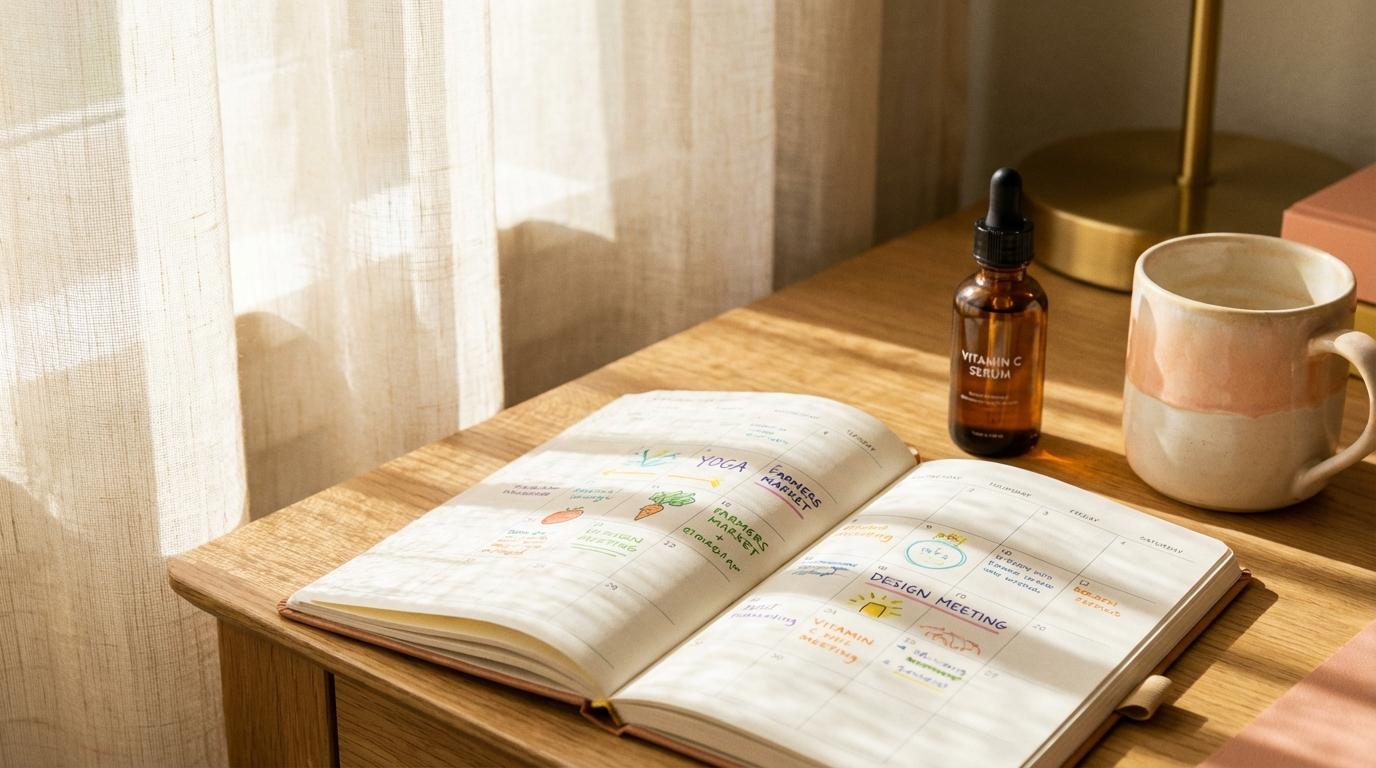
Like a phone screen with the brightness turned way down, dull skin technically works fine but everything just looks flat and tired. The good news is that fixing dullness is one of the most budget-friendly skincare goals out there. You don’t need a $70 serum or a professional peel. A few targeted products under $15 each can shift your skin from “I look exhausted” to “what did you change?” within a few weeks.
Dullness usually comes down to one or more of three things: dead skin cell buildup, dehydration, or oxidative stress from environmental exposure. Each has affordable solutions. I’ve spent the last two years testing what actually delivers on a college budget, and these are the categories and products that consistently show up.
Affordable AHAs: Clearing the Surface
Alpha hydroxy acids dissolve the bonds between dead skin cells on your skin’s surface. When that top layer of dull, used-up cells gets cleared away, the fresher, more light-reflective skin underneath shows through. It’s the fastest route to visible brightness.
The two AHAs you’ll encounter most are glycolic acid and lactic acid. Glycolic has the smallest molecular size, so it penetrates faster and deeper. Lactic acid is larger, gentler, and also acts as a humectant, meaning it pulls moisture into the skin while it exfoliates.
Budget glycolic acid picks:
- The Ordinary Glycolic Acid 7% Toning Solution (~$9): This is the product that proved you don’t need to spend big on chemical exfoliation. Apply with a cotton pad 2-3 times a week at night. If you’re new to acids, start with once a week and build up.
- Pixi Glow Tonic (5% glycolic, ~$15): Slightly gentler at 5%, with aloe to soothe. Good entry point if The Ordinary’s 7% feels too intense.
- CeraVe Renewing SA Cleanser (~$13): Technically contains salicylic acid (a BHA), but it also includes lactic and glycolic acid in the formula. A solid multi-acid cleanser for daily use.
Budget lactic acid picks:
- The Ordinary Lactic Acid 5% + HA (~$7): The gentlest chemical exfoliant in this roundup. The added hyaluronic acid keeps skin hydrated while the lactic acid works. Great for sensitive skin that still needs exfoliation.
- Good Molecules Overnight Exfoliating Treatment (~$6): Contains a blend of AHAs including lactic acid. Apply at night, wake up with noticeably smoother skin.
One important rule: when you start using AHAs, you must wear sunscreen daily. AHAs increase your skin’s sensitivity to UV radiation. Skipping SPF while using acids is a fast track to sun damage and, ironically, more dullness.
Vitamin C on a Budget
Vitamin C (L-ascorbic acid) is the gold standard for brightening. It inhibits melanin production, neutralizes free radicals, and boosts collagen synthesis. Those three actions together create visibly brighter, more even-toned skin over time.
The challenge with vitamin C is stability. L-ascorbic acid oxidizes quickly when exposed to air and light, which is why many cheap vitamin C serums turn orange and stop working within weeks of opening. Formulation matters, even at budget price points.
Budget vitamin C products that actually work:
- CeraVe Skin Renewing Vitamin C Serum (~$16): Uses 10% L-ascorbic acid in a packaging design that limits air exposure. Contains ceramides for barrier support. One of the most stable budget options available.
- The Ordinary Ascorbic Acid 8% + Alpha Arbutin 2% (~$10): Pairs vitamin C with alpha arbutin, which targets dark spots through a different pathway. Double brightening action at a combined price that’s hard to beat.
- Neutrogena Rapid Tone Repair Vitamin C Serum Capsules (~$14): Individual capsules keep the vitamin C sealed until you use it, solving the oxidation problem. Each capsule is a single application of 20% vitamin C.
If your skin is also dealing with post-acne discoloration, some of these same products overlap with what works for fading post-acne marks on a budget. The mechanisms are similar: exfoliate the surface, inhibit excess melanin, protect from further damage.
Exfoliation Options Beyond Acids
Chemical exfoliation gets all the attention, but there are other ways to clear dead skin buildup without spending much.
Enzyme exfoliants: Products containing papain (from papaya) or bromelain (from pineapple) break down dead skin proteins without the pH-dependent irritation of AHAs. They’re generally gentler and work well for people who find acids too aggressive.
- Freeman Feeling Beautiful Pineapple Enzyme Facial Peel (~$5): A wash-off enzyme mask. Apply for 5-10 minutes, rinse, and your skin immediately feels smoother. Use once or twice a week.
Physical exfoliation (done right): A soft washcloth or konjac sponge used with your regular cleanser provides gentle mechanical exfoliation without buying any additional products. The key is gentle pressure and soft materials. Skip anything with harsh scrub particles like walnut shell or apricot pit, which create micro-tears.
PHAs for sensitive skin: Polyhydroxy acids like gluconolactone and lactobionic acid exfoliate even more gently than AHAs. They have larger molecules that don’t penetrate as deeply, making them suitable for reactive or rosacea-prone skin. The Inkey List and other budget brands carry affordable options in this space.
Building a Brightness Routine on a Budget
You don’t need every product on this list. A focused routine with two or three targeted picks will produce visible results. Here’s how to structure it:
Morning routine for brightness:
- Gentle cleanser (CeraVe Hydrating or Vanicream, ~$10-14)
- Vitamin C serum (apply to clean skin, let absorb for a minute)
- Moisturizer
- Sunscreen SPF 30+ (non-negotiable when using brightening actives)
Evening routine for brightness:
- Gentle cleanser
- AHA exfoliant (2-3 times a week, not every night)
- Moisturizer
On nights when you’re not using an AHA, you can use a niacinamide product instead. Niacinamide at 5% or higher brightens skin tone, reduces the appearance of pores, and strengthens the moisture barrier. The Ordinary Niacinamide 10% + Zinc 1% costs about $6 and is one of the most popular budget skincare products for good reason.
Total cost for a complete brightening routine: roughly $40-60 for products that will each last 2-3 months. That’s less than many single “luxury” brightening serums cost.
Timeline and Realistic Expectations
Brightening takes time. Here’s what a realistic timeline looks like:
- Week 1-2: Skin feels smoother from exfoliation. Some people notice an immediate improvement in texture.
- Week 3-4: Skin starts looking more even. The dead cell layer that was dulling your complexion has been partially cleared.
- Week 6-8: Vitamin C effects become visible. Tone appears more even, minor dark spots start fading.
- Week 12+: Full results from consistent use. Skin looks noticeably brighter and more radiant compared to your starting point.
The most common mistake is expecting dramatic results in a week and giving up when they don’t materialize. Every product here works through biological processes that take time, cell turnover, melanin inhibition, collagen stimulation. None of those happen overnight, regardless of what the product costs.
Dull skin is one of the most fixable skincare concerns, and fixing it does not require a big budget. An AHA for surface exfoliation, a vitamin C for brightening and protection, and consistent sunscreen to prevent new damage. That combination works whether your products cost $7 or $70 each. The ingredients do the work, not the price tag.