
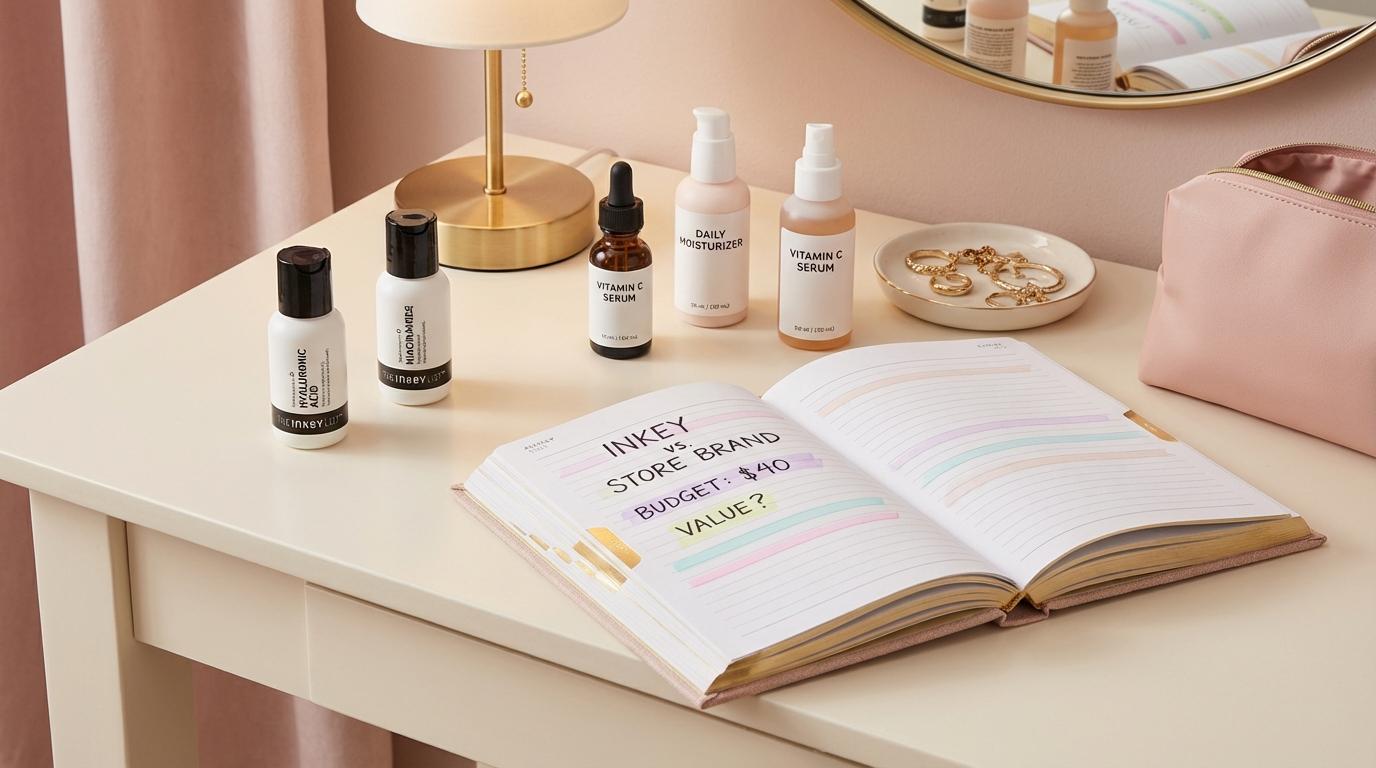
The Inkey List currently offers 43 different skincare products, and after testing most of them over two years, I can tell you exactly which ones deserve your money and which ones are marketing filler.
This UK-based brand launched in 2018 with a promise: affordable, ingredient-focused skincare without the confusion. They’ve mostly delivered on that, but like any brand, some products significantly outperform others. I’m breaking down their entire range so you know what to buy, what to skip, and when The Ordinary (their main competitor) actually does it better.
The Top Performers Worth Every Penny
Oat Cleansing Balm ($9.99)
This is legitimately one of the best cleansing balms at any price point. The oat kernel oil base dissolves makeup and sunscreen completely without leaving a greasy film. It contains colloidal oatmeal, which provides anti-inflammatory benefits while you cleanse. The texture is perfect—not too thick, melts on contact with skin, and rinses clean without needing three washes.
Compare this to The Ordinary’s Squalane Cleanser ($8), which struggles with waterproof mascara and leaves a residue. The Inkey List wins here.
Retinol Serum ($9.99)
Their 1% retinol formula uses a time-release delivery system with Granactive Retinoid (hydroxypinacolone retinoate), which means less irritation than straight retinol. I tested this against The Ordinary’s 1% Retinol in Squalane ($6.70), and while both work, The Inkey List version causes noticeably less flaking during the adjustment period.
The downside? It’s slightly more expensive for a smaller bottle (30ml vs The Ordinary’s massive selection). But if your skin is sensitive to retinoids, the extra $3 is worth it.
Caffeine Eye Cream ($9.99)
I’m usually skeptical of eye creams, but this one actually reduces morning puffiness. The 1% caffeine concentration is backed by research showing vasoconstriction effects on capillaries under the eyes. It also contains Matrixyl 3000 peptides, which support collagen production over time.
The texture is lightweight enough for morning use under makeup. I’ve used this for eight months and it’s the only eye cream that’s made a visible difference in my perpetual dark circles.
Niacinamide Serum ($7.99)
Their 10% niacinamide formula includes 1% hyaluronic acid for hydration. This is basically identical to The Ordinary’s Niacinamide 10% + Zinc 1% ($5.90), except The Inkey List swaps zinc for hyaluronic acid.
Which is better depends on your skin type. If you have oily skin and active breakouts, The Ordinary’s zinc version provides additional sebum control. If you have normal to dry skin, The Inkey List’s hyaluronic acid version feels more comfortable. Both work for reducing sebum production and minimizing pore appearance over time.
Beta Hydroxy Acid Serum ($11.99)
This 2% salicylic acid serum also contains 1% hyaluronic acid and zinc PCA. The pH is properly formulated at 3.5, which is essential for BHA effectiveness. I’ve been using this three nights per week for congested pores, and it genuinely keeps blackheads from forming without over-drying.
It’s more expensive than The Ordinary’s Salicylic Acid 2% Solution ($5.50), but the added humectants make it less harsh. If you have sensitive or dehydrated skin, this is the better option.
The Middle Ground: Fine But Not Exceptional
Hyaluronic Acid Serum ($8.99)
This contains three molecular weights of hyaluronic acid, which theoretically provides hydration at multiple skin depths. In practice, it works fine, but it’s not better than The Ordinary’s Hyaluronic Acid 2% + B5 ($6.80). Both products do the same thing at a similar price point.
The Inkey List version is slightly more elegant in texture, but not enough to justify the price difference. Unless you really hate The Ordinary’s slightly tacky finish, just buy theirs.
Peptide Moisturizer ($9.99)
Contains Matrixyl peptides, which have decent evidence for supporting collagen synthesis. The base is hydrating without being heavy. But the peptide concentration isn’t disclosed, which makes it impossible to know if you’re getting an effective dose.
It’s a good daily moisturizer, but don’t buy it expecting dramatic anti-aging effects. Think of the peptides as a bonus, not the main event.
Vitamin C Serum ($14.99)
Their 30% vitamin C formula uses L-ascorbic acid, which is the most researched form. However, at 30%, this is extremely high and can cause irritation for many people. The pH is around 3.0, which is necessary for vitamin C stability but harsh on sensitive skin.
If you’re experienced with vitamin C and know your skin tolerates high concentrations, this works. But beginners should start with something gentler. The Ordinary’s 23% Suspension ($5.80) is actually a better introduction because the suspension format buffers some of the irritation.
The Products to Skip
Tranexamic Acid Serum ($14.99)
Tranexamic acid theoretically inhibits melanin production, but the topical research is sparse compared to ingredients like niacinamide or vitamin C. This serum contains 2% tranexamic acid with additional brightening ingredients, but after three months of testing, I saw zero improvement in hyperpigmentation.
You’re better off using proven brighteners like azelaic acid or hydroquinone. Don’t waste money on trendy ingredients without solid research backing them.
PHA Toner ($10.99)
PHAs (polyhydroxy acids) are supposed to be gentler exfoliants than AHAs, which sounds great in theory. But the exfoliation is so gentle that it’s basically undetectable. After using this for six weeks, I experienced no improvement in texture or brightness.
If you want gentle exfoliation, use a low-percentage glycolic acid instead. If you want significant exfoliation, use a stronger AHA or BHA. This PHA toner exists in a useless middle ground.
Collagen Peptide Serum ($14.99)
Topical collagen cannot penetrate your skin. The molecules are too large. This serum contains “hydrolyzed collagen,” which means broken-down collagen fragments, but even those don’t penetrate deep enough to affect dermal collagen.
The peptides in this formula (Matrixyl) might support your own collagen production, but you can get the same peptides in their Peptide Moisturizer for less money. This is a redundant product banking on the collagen buzzword.
Fulvic Acid Brightening Cleanser ($10.99)
Fulvic acid is a trendy ingredient without substantial research for skin brightening. This cleanser stays on your skin for maybe 60 seconds before you rinse it off—not nearly enough time for any brightening ingredient to work.
Active ingredients belong in leave-on products, not cleansers. Buy a basic cleanser and save your money for treatment serums that actually sit on your skin.
Turmeric Moisturizer ($8.99)
Turmeric contains curcumin, which has anti-inflammatory properties. But in a moisturizer, the concentration is likely too low to provide significant benefits. Plus, turmeric can temporarily stain skin yellow, especially if you’re fair-skinned.
If you want anti-inflammatory benefits, niacinamide or centella asiatica have better research and won’t turn your face yellow. This feels like a product designed for Instagram appeal rather than actual efficacy.
How The Inkey List Compares to The Ordinary
These brands occupy similar market space—affordable, ingredient-focused, minimal packaging. But there are key differences:
Formulation approach: The Ordinary uses extremely high concentrations of single ingredients (like 23% vitamin C or 10% lactic acid). The Inkey List uses moderate concentrations with supporting ingredients for better tolerability.
Texture and experience: The Inkey List generally feels more pleasant to use. The Ordinary’s serums can be gritty, sticky, or uncomfortable, especially their vitamin C suspensions and high-percentage acids.
Price: The Ordinary is usually $2-5 cheaper per product. For identical actives (like niacinamide or hyaluronic acid), The Ordinary offers better value unless you specifically prefer The Inkey List’s texture.
Product selection: The Ordinary has more variety, especially in retinoid options and acid concentrations. The Inkey List’s range is more curated, which can be helpful if you find The Ordinary overwhelming.
Bottom line: If you prioritize efficacy over experience and don’t mind uncomfortable textures, The Ordinary often wins. If you want something that feels nicer to use and is less likely to irritate, The Inkey List is worth the small price increase.
Value Assessment: Is The Inkey List Actually Affordable?
At $7.99-$14.99 per product, The Inkey List sits in true drugstore pricing. Compare that to brands like Paula’s Choice ($25-49), Drunk Elephant ($40-90), or SkinCeuticals ($80-180), and the value is obvious.
But “affordable” is relative. If you’re building a complete routine, you’ll need 4-6 products minimum (cleanser, treatment serum or two, moisturizer, sunscreen). That’s $40-90 even with budget brands.
The Inkey List’s value proposition depends on choosing the right products. Their best performers (Oat Cleansing Balm, Retinol, BHA Serum, Caffeine Eye Cream) genuinely punch above their price point. But their duds (Tranexamic Acid, PHA Toner, Collagen Peptide) waste money regardless of price.
Store Brand Alternatives Worth Considering
Several drugstore brands now offer comparable products at similar or lower prices:
CeraVe makes a Resurfacing Retinol Serum ($17.99) with encapsulated retinol. It’s more expensive than The Inkey List’s version but contains ceramides for additional barrier support. If you have very dry or sensitive skin, the extra ceramides might be worth it.
Good Molecules has a Niacinamide Serum ($6) that’s essentially identical to both The Inkey List and The Ordinary versions. Same concentration, similar supporting ingredients, lowest price. Unless you’re specifically loyal to one of the other brands, this is the smartest choice.
Trader Joe’s offers a Hyaluronic Moisture Boost Serum ($8.99) that performs identically to The Inkey List’s version. If you already shop at Trader Joe’s, grab theirs and save the separate trip.
Versed makes a Press Restart Gentle Retinol Serum ($21.99) with bakuchiol and retinol combined. This is more expensive but provides a gentler retinoid option if you’re extremely sensitive. Most people won’t need this, but it’s good to know it exists.
The reality is that many budget brands now source from the same ingredient suppliers and use similar formulations. The Inkey List differentiates itself through slightly better textures and smart ingredient combinations, but you’re not getting dramatically different results than comparable drugstore options.
Final Ranking: What to Buy From The Inkey List
Definitely buy:
- Oat Cleansing Balm
- Retinol Serum (if you’re sensitive to retinoids)
- Caffeine Eye Cream
- Beta Hydroxy Acid Serum (if you have sensitive skin)
Buy if you prefer the texture over The Ordinary:
- Niacinamide Serum
- Hyaluronic Acid Serum
- Peptide Moisturizer
Skip entirely:
- Tranexamic Acid Serum
- PHA Toner
- Collagen Peptide Serum
- Fulvic Acid Cleanser
- Turmeric Moisturizer
The Inkey List succeeds when it focuses on proven ingredients in sensible concentrations with pleasant textures. It fails when it chases trends or creates redundant products. Stick to their core lineup, and you’ll get excellent results without spending hundreds of dollars. Branch into their experimental offerings, and you’re wasting money on marketing rather than science.
The smartest approach? Buy The Inkey List’s standout products (that cleansing balm really is exceptional), use The Ordinary for basic serums where texture doesn’t matter as much, and fill gaps with drugstore staples like CeraVe moisturizers. That combination gets you professional-level results at genuinely affordable prices.