
Collagen creams line the shelves of every drugstore and department store beauty counter, promising firmer, plumper, younger-looking skin. The marketing is compelling, the before-and-after photos are dramatic, and the ingredient lists proudly feature collagen in bold letters. But can slathering collagen on your face actually help your skin produce more of it?
The short answer is no, and understanding why can save you both money and disappointment. Let me walk you through what the science actually says, and what you can do instead if boosting collagen is your goal.
Why Collagen Molecules Are Simply Too Big
Your skin has a protective barrier called the stratum corneum. Think of it as a very selective bouncer at an exclusive club. This barrier exists to keep harmful things out and keep moisture in. It does its job remarkably well.
Collagen molecules are massive. We are talking about proteins with molecular weights ranging from 15,000 to 400,000 Daltons. For context, skincare ingredients typically need to be under 500 Daltons to penetrate the skin effectively. Collagen is roughly 30 to 800 times too large to pass through.
When you apply a collagen cream, those collagen molecules sit on the surface of your skin. They cannot penetrate deep enough to reach the dermis, where your body actually produces and stores collagen. It is like trying to fit a sofa through a mail slot.
Some brands claim to use “hydrolyzed collagen” or “collagen peptides” that have been broken down into smaller pieces. While these fragments are indeed smaller, research shows they still struggle to penetrate in meaningful amounts. And even if some tiny fragments did get through, that does not mean they would integrate into your existing collagen structure or signal your body to make more.
What Topical Collagen Actually Does
This does not mean collagen creams are worthless. They just do not do what their marketing suggests.
Collagen is a protein, and like many proteins, it can act as a humectant. When applied topically, it draws moisture to the skin’s surface and creates a film that temporarily reduces water loss. This can make your skin feel softer, smoother, and more hydrated in the short term.
That plumping effect you notice after applying a collagen cream? That is hydration, not new collagen formation. Your skin temporarily looks fuller because it is holding onto more water. Once you stop using the product or wash it off, that effect fades.
There is nothing wrong with wanting hydrated, comfortable skin. If you enjoy how a collagen cream feels and looks on your skin, keep using it. Just know you are paying for a nice moisturizer, not a collagen builder.
Better Ways to Support Your Skin’s Collagen
If you genuinely want to support collagen production, there are approaches with actual scientific backing. The good news is that most of these are simpler than you might think.
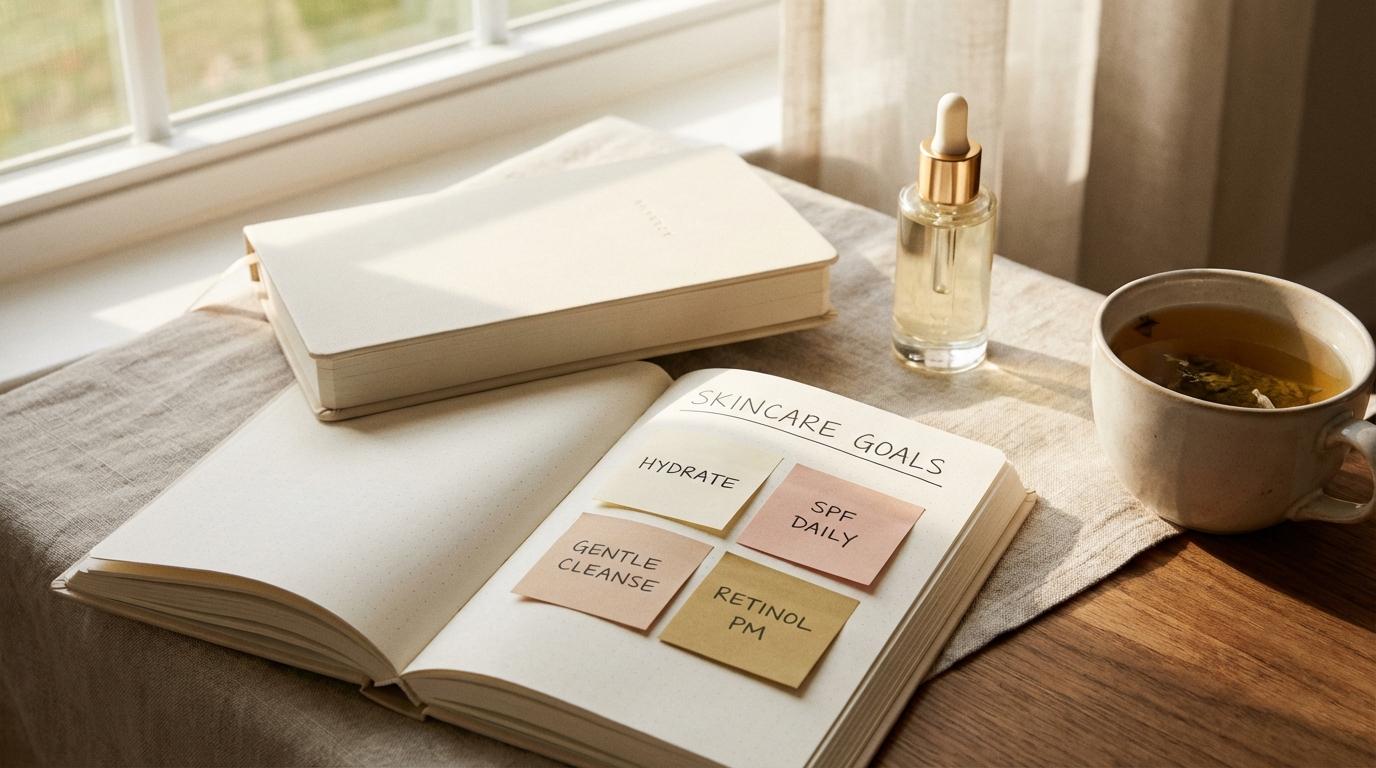
Protect what you have. UV exposure is the number one destroyer of collagen in your skin. Wearing sunscreen daily, even when it is cloudy, does more for your collagen than any fancy cream. This is not glamorous advice, but it is the most effective thing you can do. A simple SPF 30 worn consistently beats expensive treatments skipped regularly.
Consider retinoids. Retinol and prescription retinoids are among the few topical ingredients with robust evidence for stimulating collagen production. They work by signaling your skin cells to behave more youthfully, including producing more collagen. Start slowly, use a gentle formulation, and give it months to work.
Vitamin C serums. Vitamin C (L-ascorbic acid) is essential for collagen synthesis. Your body literally cannot make collagen without it. A stable vitamin C serum applied in the morning, underneath your sunscreen, can support collagen production while also providing antioxidant protection against environmental damage.
Peptides with research behind them. Certain peptide complexes, like Matrixyl (palmitoyl pentapeptide-4), have studies suggesting they can signal skin to produce more collagen. These are much smaller molecules than whole collagen and actually can penetrate the skin. Look for products that list specific peptides rather than vague “peptide complex” claims.
Internal support matters too. Your body builds collagen from the inside. Eating adequate protein, getting enough vitamin C through your diet, staying hydrated, and not smoking all support your body’s collagen production capacity. Some research suggests that oral collagen supplements may be more effective than topical collagen, though the evidence is still emerging.
A Gentler Perspective on Aging
Collagen loss is a natural part of aging. Starting around age 25, we lose about 1% of our collagen per year. This is normal, not a problem to be solved at all costs.
I believe in taking care of your skin with evidence-based ingredients and sustainable habits. But I also believe in being realistic about what skincare can and cannot do. No cream, serum, or supplement will turn back time. What they can do is support your skin’s health and help you feel good in the skin you have.
The beauty industry profits from making us feel like we need fixing. Sometimes the most radical act of self-care is understanding that less is more. A simple routine with a few proven ingredients, done consistently, will serve you better than a bathroom full of products making impossible promises.
What This Means for Your Routine
If you currently use a collagen cream and love how it makes your skin feel, there is no need to throw it away. Enjoy it for what it is: a hydrating, potentially soothing product that helps your skin retain moisture.
But if you have been spending extra money specifically because you believed it was building collagen, consider redirecting that budget. A good sunscreen, a gentle retinol product, and a vitamin C serum will do far more for your skin’s collagen over time.
Keep your routine simple. Protect your skin from the sun. Use ingredients with actual evidence behind them. And release the pressure to chase every anti-aging claim the beauty industry throws at you. Your skin is doing its best, and sometimes the kindest thing you can do is work with it rather than against it.