
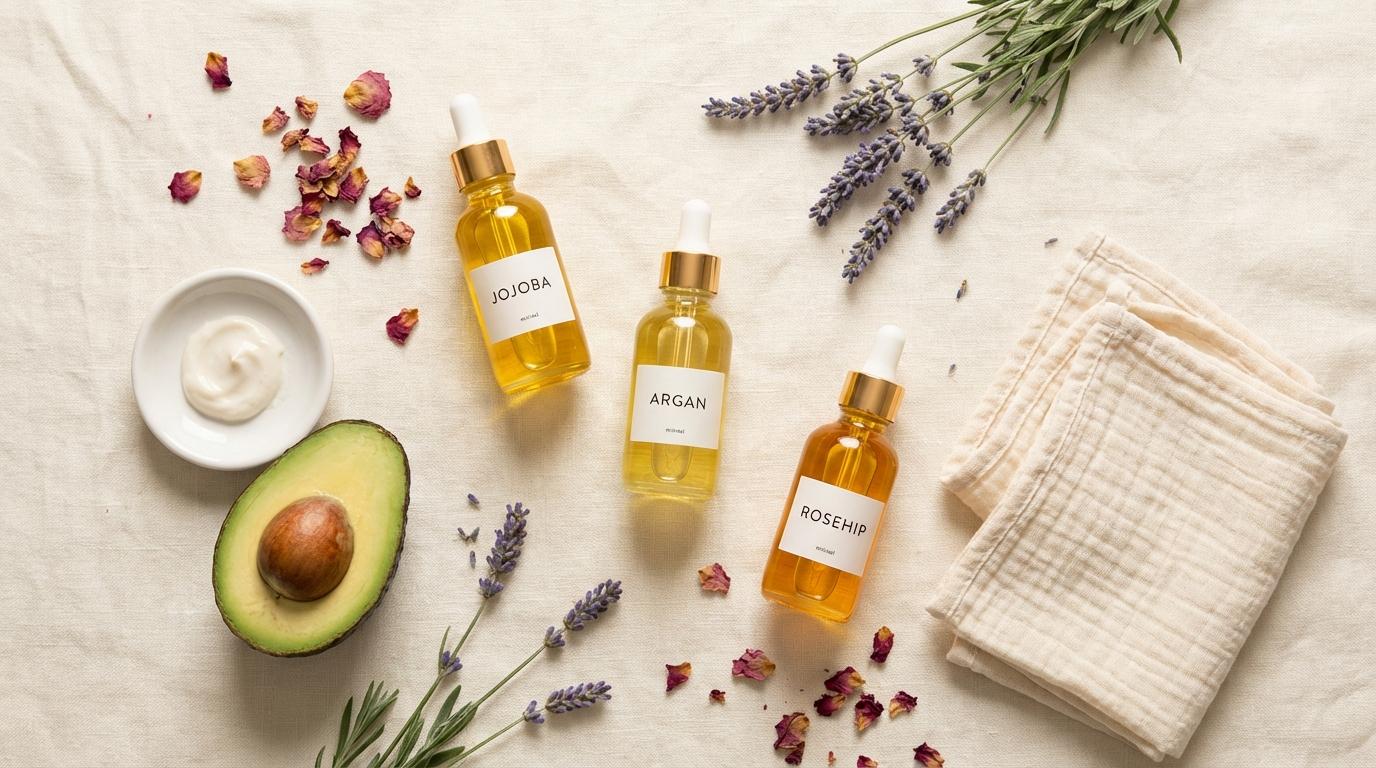
Picking a face oil without knowing your skin type is like showing up to a potluck with a dish nobody asked for. You mean well, but the results can be awkward at best and disastrous at worst. I spent my freshman year slathering coconut oil on my already oily skin because a Pinterest board told me to, and trust me when I say my pores have never forgiven me. But here’s the thing: face oils aren’t inherently bad or good. They just need to match what your skin actually needs.
After too many breakout disasters and way too much money wasted on oils that made my skin look like a glazed donut, I finally figured out the system. And it all comes down to understanding comedogenic ratings, knowing your skin type, and patch testing before you commit.
What Comedogenic Ratings Actually Mean
Every oil has a comedogenic rating from 0 to 5. This scale tells you how likely an oil is to clog your pores. A rating of 0 means the oil won’t clog pores at all, while a 5 basically guarantees you’ll wake up with new friends on your face (and not the cute kind).
The scale breaks down like this:
- 0: Won’t clog pores at all
- 1: Very low chance of clogging
- 2: Moderately low chance
- 3: Moderate chance, proceed with caution
- 4: Fairly high chance of breakouts
- 5: Almost guaranteed to cause issues
Now, these ratings aren’t perfect. According to research compiled by Healthline, everyone’s skin reacts differently, and what breaks out one person might work perfectly for another. But as a starting point, especially if you’re acne-prone, sticking to oils rated 0-2 is a solid strategy.
Oils for Oily and Acne-Prone Skin
I know it sounds counterintuitive. Why would you put MORE oil on skin that already produces too much? But the right oils can actually help regulate your sebum production. When your skin is properly moisturized, it doesn’t feel the need to pump out extra oil to compensate.
Your best bets for oily skin:
- Jojoba oil (comedogenic rating: 2): This one is the closest thing to your skin’s natural sebum. It tricks your skin into thinking it has enough oil already, so it produces less. Plus, it’s affordable and available at basically every drugstore.
- Grapeseed oil (comedogenic rating: 1): Super lightweight, absorbs fast, and contains linoleic acid which acne-prone skin tends to lack. You can snag a bottle at the grocery store for under $10.
- Hemp seed oil (comedogenic rating: 0): Yes, zero. This one has a perfect balance of omega fatty acids and won’t clog your pores. The color is a bit green, but your skin will look balanced.
- Squalane (comedogenic rating: 0-1): Technically not an oil but an oil-like compound. It’s lightweight, non-greasy, and works for literally everyone.
According to the American Academy of Dermatology, managing oil production is all about balance, not elimination.
Oils for Dry and Dehydrated Skin
Dry skin needs richer, more occlusive oils that create a barrier and lock in moisture. If your skin drinks up moisturizer like water in the desert, these are for you.
Top picks for dry skin:
- Marula oil (comedogenic rating: 3-4): Hear me out. If you’re not acne-prone, this oil is incredibly nourishing. It’s packed with antioxidants and absorbs without feeling heavy.
- Avocado oil (comedogenic rating: 2): Thick, rich, and full of vitamins A, D, and E. Perfect for overnight use when your skin can really soak it in.
- Sweet almond oil (comedogenic rating: 2): Gentle enough for sensitive dry skin and affordable enough for the broke college student budget.
- Rosehip oil (comedogenic rating: 1): A dry skin favorite that also helps with uneven skin tone. The fatty acids repair your moisture barrier while vitamin A promotes cell turnover.
When I’m really struggling with winter dryness, I layer rosehip oil under a thicker moisturizer. The oil penetrates while the cream seals everything in.
Oils for Combination Skin
Combination skin is tricky because you’re basically two skin types in one. The key is finding oils that are lightweight enough for your oily zones but nourishing enough for dry patches.
Combination skin winners:
- Argan oil (comedogenic rating: 0): This one’s a classic for a reason. It absorbs quickly, doesn’t feel greasy, and works on both oily and dry areas without causing chaos.
- Squalane (comedogenic rating: 0-1): Shows up again because it’s just that versatile. It regulates oil where you’re oily and hydrates where you’re dry.
- Camellia oil (comedogenic rating: 1): A Japanese beauty staple that’s lightweight but deeply moisturizing. It feels silky without sitting on top of your skin.
For combination skin, I recommend applying oil only where you need it most. Skip the T-zone if it’s already producing enough natural oil.
Oils for Sensitive Skin
Sensitive skin needs oils that won’t trigger redness, irritation, or reactions. Look for oils with anti-inflammatory properties and minimal ingredients.
Sensitive skin safe oils:
- Sunflower seed oil (comedogenic rating: 0): Rich in vitamin E and linoleic acid, this gentle oil actually helps strengthen your skin barrier. A bottle costs maybe $5 at the grocery store.
- Chamomile oil (comedogenic rating: 0-1): Calming and anti-inflammatory. Look for products with chamomile as a key ingredient rather than pure essential oil, which can be too potent.
- Oat oil (comedogenic rating: 0): If you’ve ever used an oatmeal bath for irritated skin, you know oats are soothing. Oat oil offers the same calming benefits in concentrated form.
Research from the National Institutes of Health confirms that sunflower seed oil is particularly effective for maintaining the skin barrier in people with sensitive or compromised skin.
Oils for Mature Skin
If you’re looking for anti-aging benefits without breaking the bank on fancy serums, certain oils deliver impressive results.
Best oils for aging concerns:
- Rosehip oil (comedogenic rating: 1): Contains natural retinoids that promote collagen production and cell turnover. This is one of the most studied oils for anti-aging benefits.
- Pomegranate seed oil (comedogenic rating: 1): Packed with punicic acid, which has been shown to support skin regeneration.
- Sea buckthorn oil (comedogenic rating: 1): Bright orange (so use at night unless you want to glow like a traffic cone), but incredible for boosting elasticity.
How to Patch Test Properly
Before you slather any new oil all over your face, you need to patch test. I cannot stress this enough. I’ve skipped this step before and paid for it with weeks of angry skin.
Here’s how to do it right:
Step 1: Choose your test spot. The inside of your elbow or behind your ear works well. Some people test on their jawline since it’s closer to where you’ll actually use the product.
Step 2: Apply a small amount. Just a drop or two. Don’t wash it off.
Step 3: Wait 24-48 hours. Check for redness, itching, bumps, or any other reaction. If nothing happens, you’re probably safe to move forward.
Step 4: Test on your face. Even if the patch test passes, start by using the oil just 2-3 times a week. Increase frequency gradually as your skin adjusts.
According to dermatologists at WebMD, patch testing is especially important for products containing plant-based oils, since allergic reactions are more common than people think.
Budget-Friendly Ways to Try Face Oils
Fancy skincare brands charge $40-80 for tiny bottles of oil that you could get for a fraction of the price. As someone who has survived on a ramen budget, let me share some money-saving tips.
Check the grocery store first. Many of the best face oils are just pure plant oils. Jojoba, grapeseed, sweet almond, and sunflower oils are often cheaper in the cooking aisle than in the beauty aisle. Just make sure they’re cold-pressed and unrefined.
Look for multi-use products. An oil you can use on your face, body, and hair stretches your budget further. Argan and jojoba oils work everywhere.
Start with The Ordinary. Their oils range from $4-13 and the quality is solid. Rosehip, marula, and squalane at prices that won’t make you wince.
Buy smaller sizes first. Until you know an oil works for you, don’t invest in the big bottle. I have a cabinet of barely-used oils that didn’t work out, and my wallet still hurts.
When to Apply Face Oil in Your Routine
Oils should generally go last in your routine (before sunscreen in the morning) because they’re occlusive. They seal in everything you applied before them, which is why your morning and night routines need different approaches to layering products.
The order goes: cleanser, toner (if you use one), serum, moisturizer, oil. Some people mix a few drops of oil into their moisturizer, which also works great and can be less greasy.
At night, you can be more generous with oil. Let it sink in for 10-15 minutes before hitting your pillow so you don’t end up with an oily pillowcase.
Signs an Oil Isn’t Working for You
Sometimes an oil just isn’t the right match, even if the comedogenic rating suggests it should be fine. Watch for these warning signs:
- New breakouts appearing within 1-2 weeks of starting the oil
- Tiny bumps that feel like texture under your skin
- Increased blackheads or clogged pores
- Skin feeling more oily than usual, not less
- Redness or irritation that wasn’t there before
If you notice any of these, stop using the oil and give your skin a week or two to recover before trying something new. Your skin is telling you something, and it’s worth listening.
Making Face Oils Work for You
Finding the right face oil takes some trial and error, but once you find your match, it’s worth it. The key is understanding what your skin needs, respecting comedogenic ratings (especially if you’re acne-prone), and always patch testing before you commit.
You don’t need to spend a fortune to get glowing, balanced skin. Some of the best oils cost less than your morning coffee. Start with one oil that fits your skin type, give it a solid month, and see how your skin responds. Skincare doesn’t have to be complicated or expensive. It just has to work for you.