
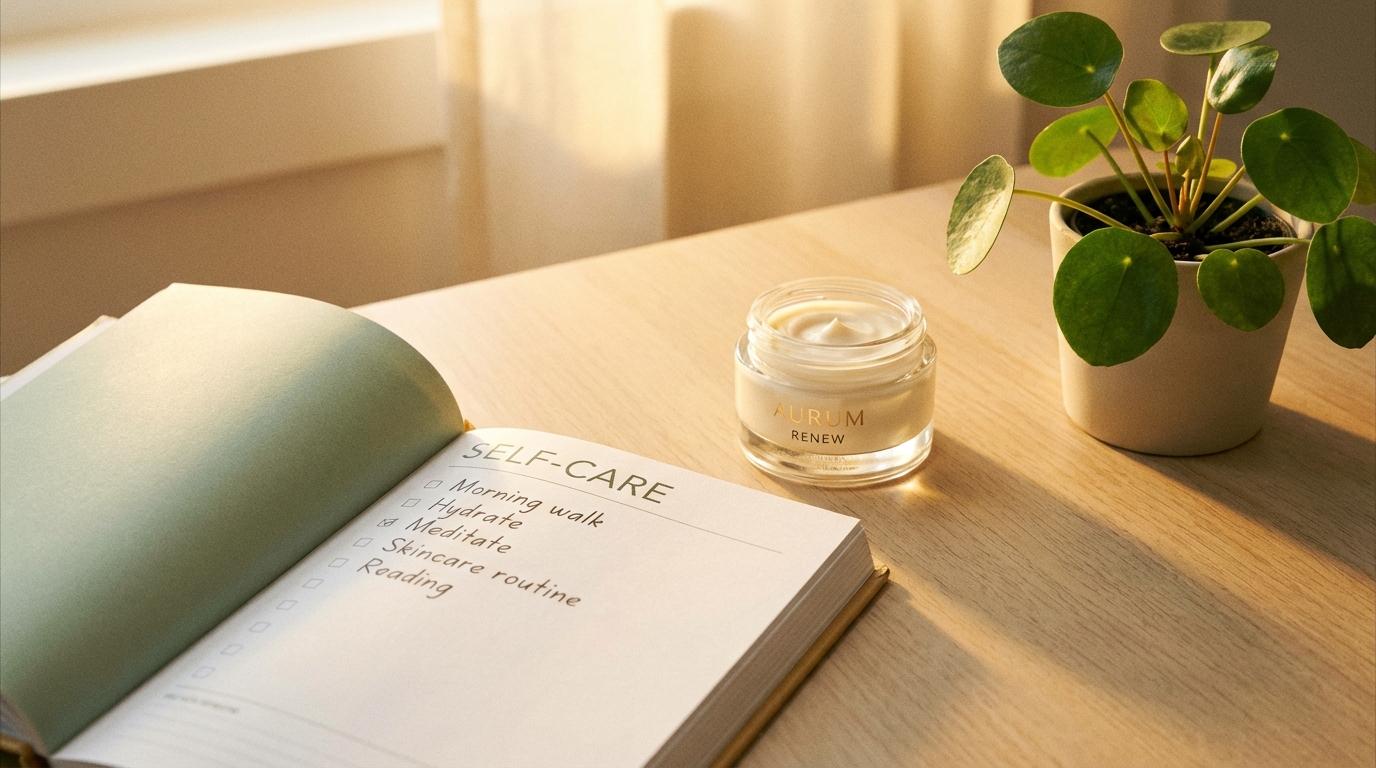
I completely wrote off Coenzyme Q10 for years because it sounded like something my grandmother would take as a supplement. The name alone made it feel outdated, like skincare from another era that more modern ingredients had replaced. Turns out I was sleeping on a genuinely useful ingredient with real science behind it, and you might be too.
CoQ10 (the abbreviation everyone uses because nobody wants to keep typing “Coenzyme Q10”) is having a quiet moment in skincare. It’s not flashy. It doesn’t have the aggressive marketing of retinol or the trendy status of peptides. But it does something interesting that relates directly to how your skin ages, and that made me pay attention once I actually looked into it.
What CoQ10 Actually Does in Your Body
Your cells have these little power plants called mitochondria. Their job is producing ATP, which is basically the energy currency your cells use to do everything. CoQ10 is essential to this process. It sits in the electron transport chain and helps shuttle electrons around to generate ATP.
Without getting too deep into biochemistry (because honestly, I struggled through that section of my bio class), think of CoQ10 as part of the machinery that keeps your cellular engines running. Every cell needs energy, so every cell needs CoQ10.
Your body makes its own CoQ10. That’s the good news. The less-good news is that production peaks in your mid-20s and then gradually declines. By the time you hit your 40s, your skin’s CoQ10 levels may have dropped by 30% or more from their peak. This matters because skin cells need energy to maintain themselves, repair damage, and produce collagen.
The Antioxidant Angle
Beyond its role in energy production, CoQ10 functions as an antioxidant. It can neutralize free radicals, those unstable molecules that damage cells and accelerate aging. You’ve probably heard about free radicals in the context of sun damage and pollution, and CoQ10 helps protect against both.
What makes CoQ10 interesting as an antioxidant is that it works in the lipid (fat) portions of your cells. Vitamin C works in the watery parts. Vitamin E works in lipid membranes. CoQ10 is fat-soluble, so it protects the fatty components of cells, including cell membranes, from oxidative damage.
This complementary action is why some serums combine CoQ10 with vitamin C or vitamin E. Different antioxidants protect different parts of your cells. Using multiple types creates more comprehensive protection.
How Skin Levels Decline With Age
Research shows that CoQ10 levels in skin decline with age, and this decline accelerates with sun exposure. UV radiation depletes skin antioxidants, including CoQ10, faster than they can be replenished. The result is cumulative damage that shows up as fine lines, uneven texture, and loss of elasticity.
One study found that skin CoQ10 levels were about 25% lower in sun-exposed areas compared to sun-protected areas of the same age. That’s a pretty significant difference and reinforces why sun protection matters (and why products containing CoQ10 often emphasize using them alongside SPF).
The age-related decline in CoQ10 also affects your skin’s ability to repair itself. Cell turnover, collagen synthesis, and wound healing all require energy. Less CoQ10 means less efficient cellular energy production, which means slower repair processes. This is one mechanism behind why skin heals more slowly as we age.
Can Topical CoQ10 Actually Help?
This is where I was skeptical at first. Just because your skin loses CoQ10 with age doesn’t mean slapping it on topically will fix the problem. Lots of ingredients that sound logical don’t actually penetrate skin or work when applied externally.
But there’s actually decent evidence for topical CoQ10. Studies have shown it can penetrate the outer skin layers and reach living cells. One study found that topical CoQ10 reduced wrinkle depth after several weeks of use. Another showed improvements in skin smoothness and reduction of oxidative markers.
The effects aren’t dramatic. We’re talking about gradual improvements over consistent use, not overnight transformation. But the research suggests that topical CoQ10 can support skin’s antioxidant defenses and potentially slow some visible signs of aging.
What to Look for in CoQ10 Products
CoQ10 comes in two forms: ubiquinone (the oxidized form) and ubiquinol (the reduced form). Both appear in skincare, and there’s debate about which penetrates better. Ubiquinol is sometimes marketed as superior because it’s the “active” form, but ubiquinone can convert to ubiquinol in skin, so the practical difference may be minimal.
Concentration matters. Most studies showing benefits used concentrations around 0.3% to 1%. Many drugstore products don’t disclose concentrations, which makes evaluation difficult. If a product lists CoQ10 near the end of its ingredient list, the concentration is probably too low to expect significant effects.
Formulation also matters. CoQ10 is fat-soluble, so it works well in oil-based serums, creams, and products with lipid-rich formulas. Water-based serums need special formulation techniques to make CoQ10 effective. Look for products where CoQ10 is combined with oils or in cream formulations rather than thin watery textures.
Budget-Friendly CoQ10 Options
As a college student watching every dollar, I had to figure out whether CoQ10 products fit my budget. The good news: CoQ10 isn’t an expensive ingredient to formulate with, so you don’t need luxury brands to access it.
Several drugstore brands make CoQ10 serums and moisturizers in the $10-20 range. The Ordinary doesn’t currently have a standalone CoQ10 product, but other budget brands do. CeraVe’s Skin Renewing Retinol Serum contains CoQ10 alongside retinol, giving you two beneficial ingredients at a reasonable price point.
If you’re already using a basic routine and want to add antioxidant protection without spending a lot, a CoQ10 moisturizer or serum is a reasonable choice. You don’t need to spend $80 on a CoQ10 product when $15 versions contain similar concentrations.
How to Incorporate CoQ10 Into Your Routine
CoQ10 plays nicely with most other skincare ingredients. It’s not exfoliating like acids, so it won’t increase sensitivity. It’s not photosensitizing, so you can use it morning or night. It pairs well with vitamin C, vitamin E, and niacinamide.
For morning use, apply your CoQ10 product after cleansing and any water-based serums, but before sunscreen. The antioxidant protection will complement your SPF. For evening use, it can go anywhere in your routine that makes sense for its texture (serums before creams, etc.).
If you use retinol, CoQ10 can be a good companion ingredient. Some research suggests antioxidants help mitigate retinol irritation, and the energy-supporting properties of CoQ10 may help skin recover from the increased cell turnover that retinol causes. For tips on using retinol without irritation, check out this guide on layering retinol.
Who Benefits Most From CoQ10
Based on the research and what CoQ10 actually does, certain people will likely see more benefit than others:
People in their late 20s and beyond. This is when natural CoQ10 levels start declining. Using topical CoQ10 helps supplement what your skin is producing less of.
Anyone with significant sun exposure history. UV damage depletes skin antioxidants. CoQ10 helps replenish antioxidant stores and protect against ongoing damage.
Those focused on prevention rather than correction. CoQ10 is better at maintaining skin health than reversing existing damage. If you’re trying to prevent signs of aging rather than fix established wrinkles, it fits your goals.
People who want gentle anti-aging ingredients. Unlike retinol (which can cause irritation) or acids (which can sensitize), CoQ10 is extremely well-tolerated. If you have sensitive skin but want anti-aging benefits, it’s worth considering.
Realistic Expectations
CoQ10 is not going to transform your skin the way tretinoin might. It’s not going to give you the instant glow of a good vitamin C serum. What it does is support your skin’s underlying functions in a meaningful but subtle way.
Think of it like maintaining good nutrition. You won’t wake up one day and see dramatic results from eating vegetables. But over time, the cumulative effect of consistent good choices becomes visible. CoQ10 works similarly. Consistent use over months supports healthier skin that ages a bit more gracefully.
The antioxidant benefits are probably more significant than the energy-production benefits for most people. Protecting against free radical damage is something you can measure in terms of reduced hyperpigmentation, better skin texture, and maintained elasticity. The cellular energy angle is harder to perceive but contributes to overall skin health.
My Take After Actually Using It
After dismissing CoQ10 for years, I added a budget CoQ10 moisturizer to my routine about four months ago. I wanted extra antioxidant protection since I spend a lot of time outdoors (broke college student plus free outdoor activities equals lots of sun exposure).
I haven’t experienced any dramatic changes, but my skin does seem more resilient. I haven’t had the dull, tired look I sometimes got after long days outdoors. Whether that’s the CoQ10 or placebo effect, I genuinely can’t say for certain. But at $14 for a moisturizer I’d need anyway, adding CoQ10 to the mix felt like a reasonable choice.
Would I recommend it to everyone? If you’re looking for one single active ingredient to address visible concerns, retinol or vitamin C will give you more obvious results. But if you’re building a comprehensive routine and want to add antioxidant support without adding complexity or irritation, CoQ10 is a solid choice that won’t break your budget.
Sometimes the unglamorous ingredients that quietly support skin health matter just as much as the showier ones. CoQ10 is definitely in that category.