
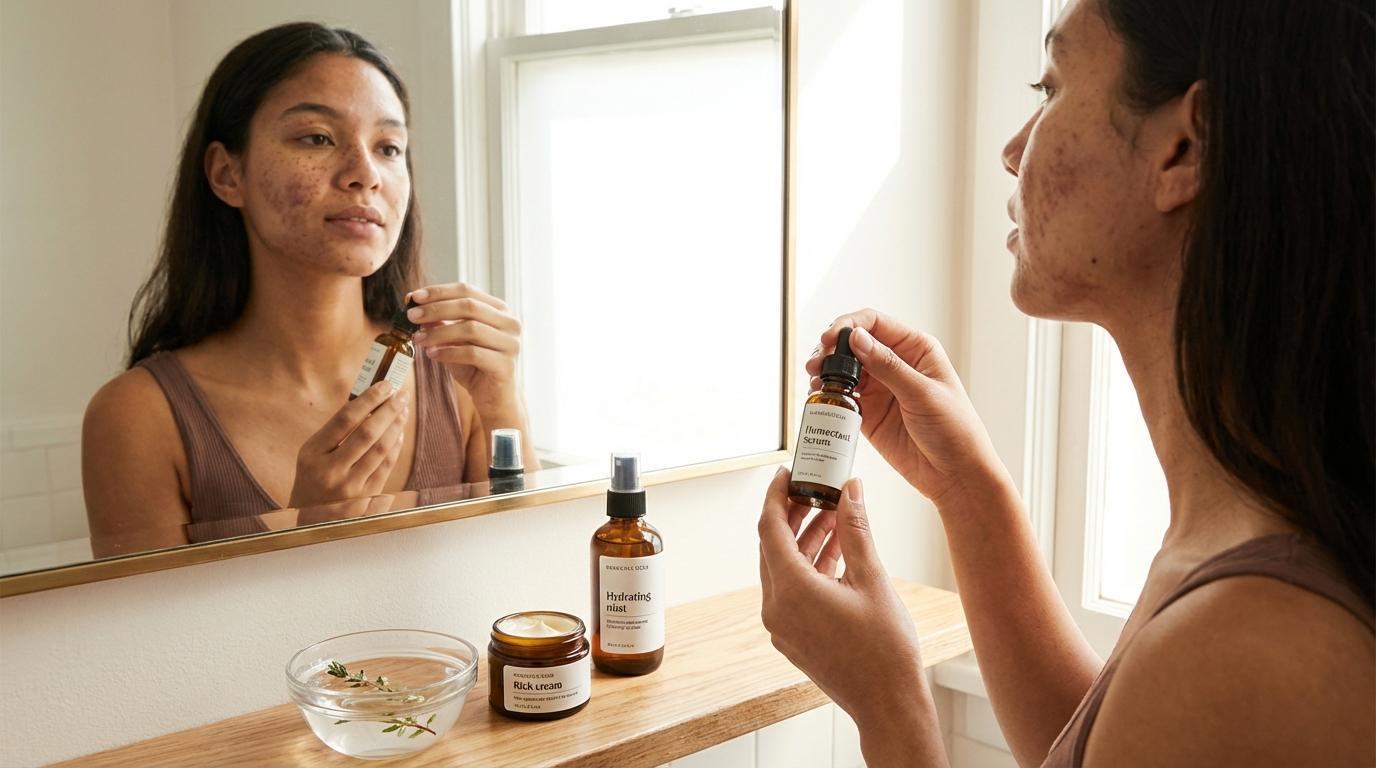
Your skin feels tight, uncomfortable, maybe even a little rough. You reach for a thick cream, hoping it will help. But what if I told you that what your skin needs might be completely different depending on the actual problem?
Dehydrated skin and dry skin often feel similar, but they require very different approaches. Understanding which one you are dealing with can save you from months of frustration and wasted products. The good news is that once you know the difference, finding the right routine becomes much simpler.
The Core Difference: Water vs. Oil
Dry skin is a skin type. It means your sebaceous glands do not produce enough natural oil (sebum) to keep your skin barrier healthy. This is something you are typically born with or develop as you age. Dry skin tends to feel tight, may appear flaky or rough, and often shows fine lines more easily.
Dehydrated skin, on the other hand, is a temporary condition. It happens when your skin lacks water, not oil. Here is what catches most people off guard: you can have oily skin and still be dehydrated. In fact, this is incredibly common.
Think of it this way. Your skin has two essential needs: oil to protect the barrier and water to stay plump and healthy. Dry skin lacks the protective oil layer. Dehydrated skin lacks the internal water content. Sometimes you can have both issues at once, which is why skin can feel so confusing.
Signs of dehydration often include dullness, increased sensitivity, fine lines that seem to appear and disappear, and skin that looks tired even after a good night of sleep. Many people with dehydrated oily skin notice their face produces even more oil as it tries to compensate for the water loss. This can lead to a frustrating cycle of using mattifying products that actually make the dehydration worse.
Building a Routine for Dehydrated Skin
When your skin is dehydrated, the focus is on adding water back in and helping it stay there. This is where humectants become your best friends.
Humectants are ingredients that attract and hold water. The most popular one is hyaluronic acid, which can hold up to 1000 times its weight in water. Other effective humectants include glycerin, propanediol, and honey. These ingredients pull moisture from the air and from deeper skin layers up to the surface where you need it.
A simple routine for dehydrated skin might look like this:
In the morning, cleanse gently with a hydrating cleanser, then apply a hyaluronic acid serum to damp skin. This is important because humectants need water to work with. Follow with a lightweight moisturizer and sunscreen.
In the evening, double cleanse if you wear makeup or sunscreen, apply your hydrating serum again, and finish with a moisturizer. You do not necessarily need anything heavy. The goal is to keep replenishing water content.
One overlooked step that makes a big difference is applying products to damp skin. After cleansing, do not pat your face completely dry. Leave it slightly damp and apply your serum immediately. This gives the humectants water to work with right away.
Drinking enough water matters too, though topical hydration is still essential. Your skin is the last organ to receive internal hydration, so supporting it from the outside helps.
Building a Routine for Dry Skin
Dry skin needs a different strategy. Since the issue is a lack of natural oils, your routine should focus on replenishing that protective lipid layer. This is where occlusives and emollients come in.
Occlusives create a physical barrier on your skin that prevents water from evaporating. Common occlusives include petrolatum, mineral oil, dimethicone, and natural options like shea butter and beeswax. These do not add moisture, but they seal in whatever is already there.
Emollients fill in the gaps between skin cells, making your skin feel smoother and more comfortable. Many plant oils work as emollients, including jojoba oil, squalane, and rosehip oil.
A routine for dry skin might include:
Morning: gentle cream cleanser (or even just water if your skin is very dry), a hydrating serum, a rich moisturizer with ceramides, and sunscreen.
Evening: oil-based cleanser, gentle second cleanser, hydrating serum, and a thicker night cream or facial oil. You can even apply a thin layer of plain petroleum jelly as a final step if your skin is very dry. This technique, sometimes called slugging, locks everything in overnight.
The key with dry skin is building layers of nourishment. Your skin barrier is not producing enough of its own protective oils, so you are essentially creating that layer with your products.
What If You Have Both?
Many people experience both dryness and dehydration, especially during winter or after using harsh products. If this sounds like you, the solution is layering: humectants first to add water, then occlusives to seal it all in.
Start with a hydrating serum on damp skin. Let it absorb for a moment. Then follow with a rich cream that contains both moisturizing and occlusive ingredients. Look for creams with ceramides, which help rebuild your natural skin barrier.
Pay attention to how your skin changes with the seasons. You might be more dehydrated in air-conditioned offices during summer and drier during winter months. Adjusting your routine seasonally is completely normal.
One common mistake is using too many active ingredients when your skin is compromised. If you are dealing with dehydration or dryness, take a break from retinoids, acids, and other potentially irritating products. Let your barrier heal first. You can reintroduce actives gradually once your skin feels comfortable again.
Remember, skincare does not need to be complicated. Once you identify whether you are dealing with a water problem or an oil problem (or both), you can streamline your routine to address what your skin actually needs. Listen to how your skin feels, adjust as needed, and trust the process. Your skin knows how to heal when you give it the right support.