
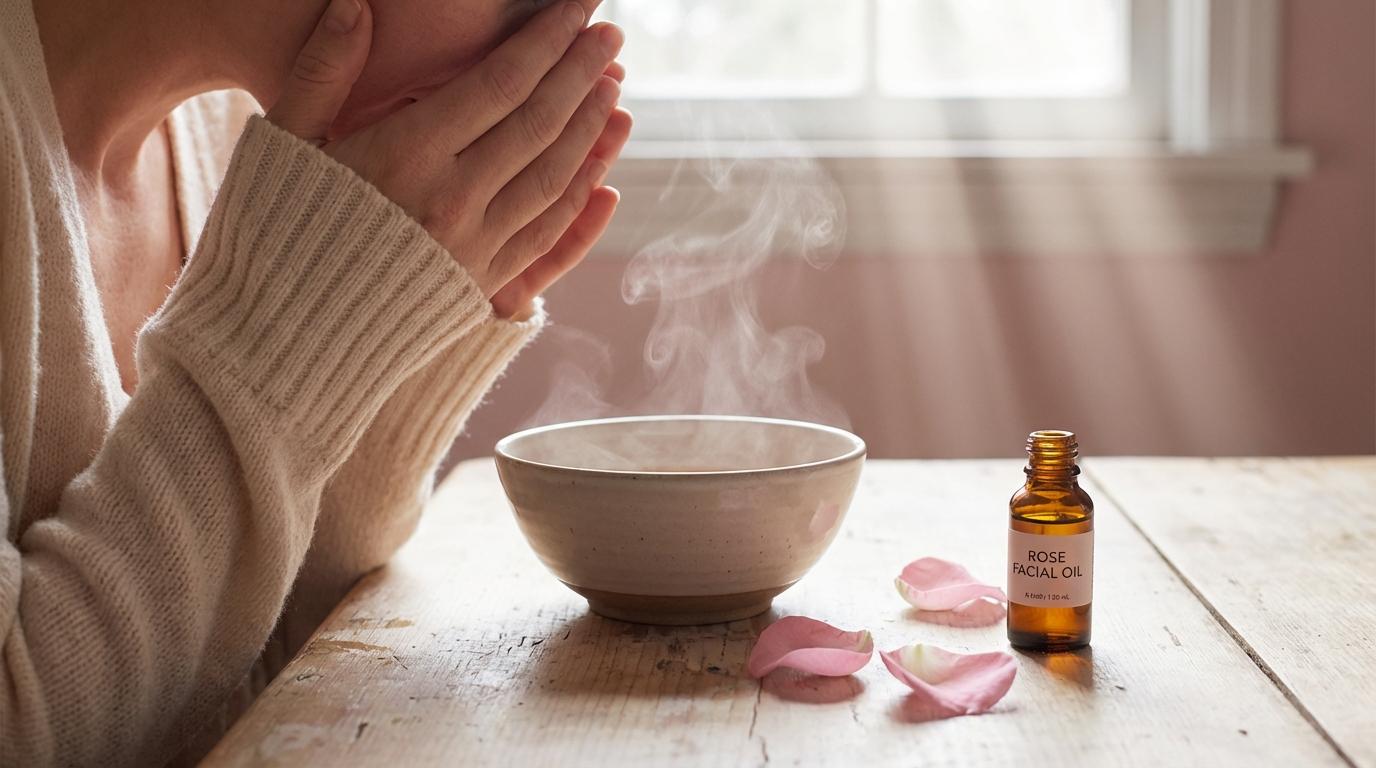
Does holding your face over a pot of hot water actually do anything for your skin, or is this one of those self-care rituals that feels nice but delivers zero measurable benefit? Facial steaming has been a staple of at-home skincare for decades, passed down through generations as a way to “open pores” and detoxify the skin. The reality is more nuanced than either its biggest fans or harshest critics admit.
Facial steaming does produce real, temporary effects on the skin. Warm steam increases blood flow to the face, creating that flushed, dewy appearance. The heat softens the sebum and debris sitting inside pores, making extraction easier. The moisture can temporarily plump up the skin’s surface. These effects are genuine, but they are also short-lived, and the question of whether they translate into lasting skin benefits depends on your skin type and how you do it.
The “open pores” claim needs correcting first. Pores do not open and close like doors. They do not have muscles. What steam does is soften the oily plugs inside pores and increase the pliability of the surrounding skin, making those plugs easier to remove. That is a meaningful distinction because it sets proper expectations for what steaming can and cannot accomplish.
Actual Benefits Worth Knowing About
When done correctly, facial steaming has a few legitimate benefits backed by basic dermatological principles:
- Increased circulation brings more oxygen and nutrients to the skin’s surface. This is the same principle behind why your skin looks better after exercise. The effect is temporary but real.
- Softening of sebum plugs. If you have blackheads or congested pores, steaming before gentle extraction makes the process easier and less traumatic to the skin. Professional estheticians use steam for exactly this reason.
- Enhanced product absorption. Warm, hydrated skin absorbs topical products more readily than dry, cool skin. Steaming before applying a brightening serum or hydrating treatment can improve penetration.
- Relaxation and stress reduction. Chronic stress increases cortisol, which worsens acne and accelerates aging. Anything that genuinely reduces your stress level has indirect skin benefits, and a 10-minute steam session with some quiet time counts.
None of these benefits are dramatic or permanent. Steaming is not going to clear acne, reverse sun damage, or replace active ingredients. It is a supportive step, most useful as a prep before other treatments.
Proper Technique (If You Are Going to Do It)
The biggest risk with DIY facial steaming is doing it wrong, specifically using water that is too hot or steaming for too long. Burns are more common than you would think, and over-steaming can actually damage the skin barrier.
The method that works:
- Boil water, then remove from heat and let it cool for 2-3 minutes. You want warm steam, not scalding vapor. If it is uncomfortable on the back of your hand held 8 inches away, it is too hot for your face.
- Keep your face 10-12 inches from the water surface. Closer is not better.
- Drape a towel over your head to create a tent that traps the steam. This is the classic method and it works fine.
- Limit sessions to 5-10 minutes maximum. Longer does not provide additional benefit and increases the risk of irritation and dehydration.
- Follow immediately with your skincare routine while skin is still warm and receptive.
Adding herbs or essential oils to the water is popular but largely cosmetic. Chamomile or green tea bags might provide minor anti-inflammatory benefits from the compounds released into the steam, but the concentrations are low. If you enjoy the scent, go for it. Just do not expect therapeutic levels of any botanical to reach your skin this way.
When You Should Skip Steaming Entirely
Facial steaming is not appropriate for every skin type or condition. Some people should avoid it altogether:
- Rosacea. Heat is a major trigger for rosacea flares. Steam dilates already-compromised blood vessels, potentially worsening redness and visible capillaries. If you have rosacea, this is a hard no.
- Active inflammatory acne. If you have painful, swollen cysts or pustules, the increased blood flow from steaming can intensify inflammation. Steam is better for non-inflammatory congestion (blackheads) than for active breakouts.
- Eczema or compromised skin barrier. The heat can worsen dryness and irritation in skin that already struggles to retain moisture. If your skin is sensitized or reactive, steaming adds unnecessary stress.
- Broken capillaries or spider veins on the face. Heat exacerbates these conditions.
- Sunburned or windburned skin. This should be obvious, but applying heat to already-inflamed skin is counterproductive.
Even for people with normal, resilient skin, steaming more than once or twice a week is excessive. Daily steaming strips the skin’s protective lipid layer faster than it can rebuild, leading to dehydration and increased sensitivity over time.
Budget-Friendly Alternatives That Deliver More
If you are considering facial steaming primarily for pore congestion or product absorption, there are alternatives that provide similar or better results without the burn risk:
A warm washcloth compress does essentially the same thing as steaming with better control. Soak a clean washcloth in warm (not hot) water, wring it out, and press it against your face for 2-3 minutes. You get the softening and circulation benefits with almost zero risk of overdoing it. This is what many dermatologists actually recommend over steam.
Chemical exfoliation with salicylic acid or glycolic acid products addresses pore congestion more effectively than steam because the active ingredients dissolve sebum plugs chemically rather than just softening them temporarily. A $10 BHA toner used consistently will outperform weekly steaming sessions for blackhead management.
Oil cleansing (using an affordable cleansing oil or even plain mineral oil) dissolves sebum-based blockages through the principle of “like dissolves like.” A 60-second oil massage before your regular cleanser can loosen the same debris that steam softens, and you can do it daily without any risk of thermal damage.
Sheet masks and hydrating toners create an occlusive, moist environment that enhances product absorption, similar to what steaming achieves. They are more targeted, more controlled, and you can use specific active ingredients in the process. Check out what is available at your local drugstore before investing in a steaming device.
The Verdict
Facial steaming is a low-cost, mildly beneficial skincare step that works best as an occasional prep treatment rather than a regular routine essential. It genuinely softens pore congestion and temporarily improves circulation, but it does not replace active ingredients, consistent cleansing, or proper sun protection.
If you enjoy the ritual and your skin tolerates it, once a week before a mask or extraction session is a reasonable approach. If you are tight on time or money, a warm washcloth achieves most of the same results with less fuss. And if your skin is reactive, sensitive, or prone to rosacea, the alternatives listed above are genuinely better options, not just consolation prizes.
The cost of DIY steaming is effectively zero, which is its biggest advantage. You need a pot, water, and a towel. But free does not mean optimal, and your skincare routine should be built around ingredients and habits that deliver consistent, measurable improvements rather than temporary sensations that fade within the hour.