
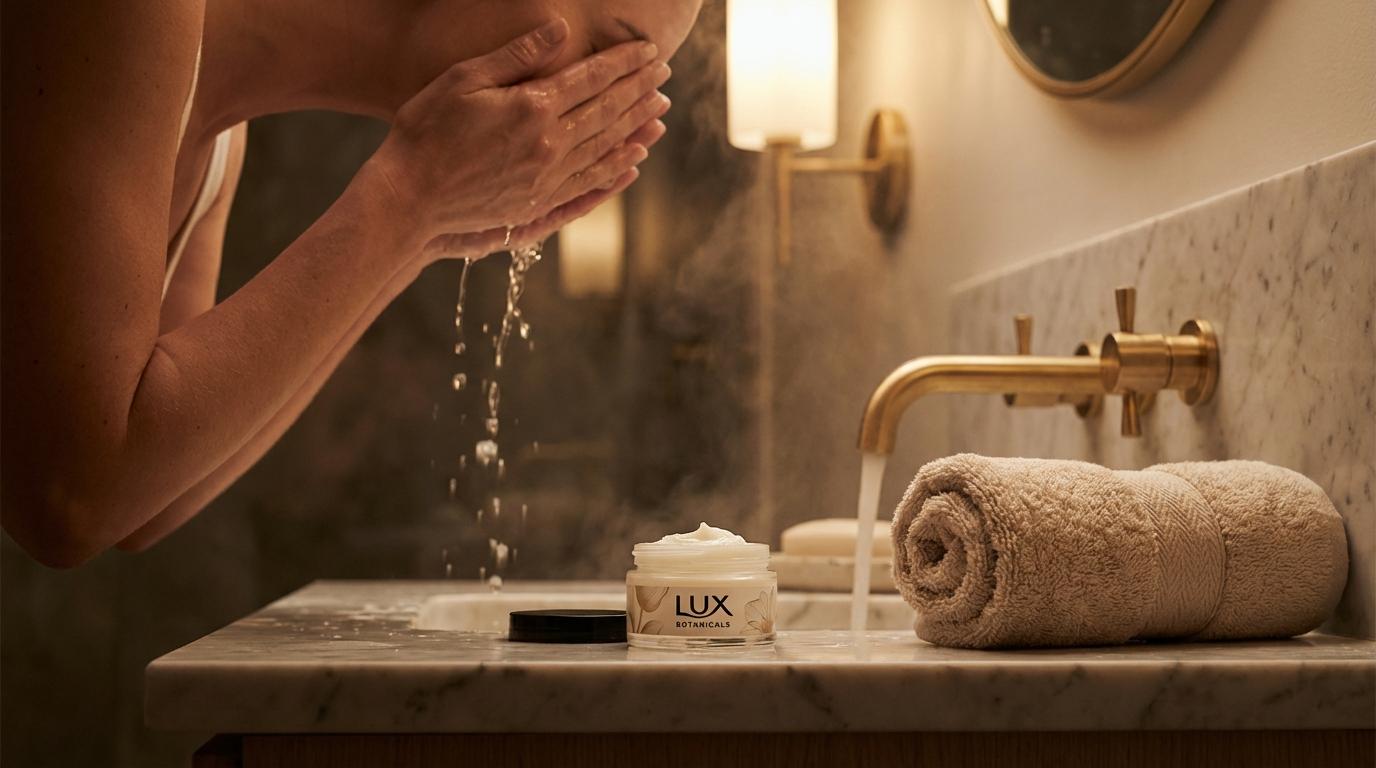
Everyone swears double cleansing is the key to clear skin. It’s not. At least, not for everyone. The method has become so ingrained in skincare culture that questioning it feels like blasphemy. But let me tell you something: blindly following a trend without understanding who it’s actually for is how you end up with skin that’s worse than when you started.
Double cleansing originated in Korea and Japan, where it was designed with a very specific purpose in mind. The method involves using an oil-based cleanser first to break down sunscreen, makeup, and sebum, followed by a water-based cleanser to wash away any remaining residue. Simple concept. But somewhere along the way, it morphed into a universal skincare commandment that’s been applied without nuance.
What Double Cleansing Was Actually Designed For
The original purpose of double cleansing had nothing to do with achieving “deeply cleaned pores” or any of the other marketing phrases thrown around today. It was a practical solution for removing heavy makeup and stubborn sunscreen formulations.
Water-based cleansers struggle with oil-based products. That’s basic chemistry. If you’ve ever tried washing off a full face of foundation with just a foaming cleanser, you know exactly what I’m talking about. It doesn’t work. You’re left with patches of makeup clinging to your skin, which then sits there overnight and potentially clogs pores.
Oil dissolves oil. So using an oil-based cleanser first makes sense if you’re wearing makeup or sunscreen. The American Academy of Dermatology recommends washing your face twice daily, but they don’t specify double cleansing for everyone because it genuinely depends on your situation.
Skin Types That Actually Benefit
Let’s be real about who should be double cleansing.
Heavy makeup wearers: If you’re using full-coverage foundation, waterproof mascara, long-wear lipstick, or setting sprays, double cleansing makes sense. These products are formulated to resist water and sweat. A single cleanser won’t cut it.
Sunscreen devotees: Physical (mineral) sunscreens with zinc oxide or titanium dioxide can be particularly stubborn. If you’re using SPF 50+ daily (which you should be), an oil cleanser ensures you’re actually removing it. Leaving sunscreen residue on your skin overnight can contribute to congestion.
Oily skin types who wear makeup: This might seem counterintuitive, but oil cleansers can actually benefit oily skin. The “like dissolves like” principle means oil cleansers can help regulate sebum production when used correctly. Board-certified dermatologist Dr. Shereen Idriss has explained that stripping your skin with harsh cleansers often triggers more oil production.
People with stubborn blackheads: The oil cleansing step can help dissolve the oxidized sebum sitting in your pores. Massage it in for a minute or two, and you might notice some of that congestion lifting over time.
When Double Cleansing Becomes Overkill
Now for the part nobody wants to hear.
You don’t wear makeup: If your daily routine involves sunscreen and nothing else, one good cleanser in the evening is probably enough. Many modern sunscreens, especially chemical ones, wash off fairly easily. You’re cleansing for the sake of cleansing at that point.
You have dry or sensitive skin: Double cleansing is two opportunities to strip your skin barrier. Even gentle cleansers can disrupt your skin’s protective barrier if you’re overdoing it. If your skin feels tight, looks dull, or reacts to products that used to work fine, you might be over-cleansing.
You have active eczema or rosacea: Adding an extra cleansing step to already compromised skin is asking for trouble. When your barrier is damaged, less is genuinely more. Focus on healing first.
You’re using micellar water as your first cleanse: Micellar water contains surfactants that effectively remove makeup and sunscreen. Using it followed by another cleanser might be overkill for most people. Pick one method, not both.
Signs You’re Over-Cleansing Your Face
Your skin will tell you when it’s unhappy. Here’s what to watch for:
- That “squeaky clean” feeling: This isn’t good. It means you’ve stripped away your natural oils and probably some of your skin barrier too.
- Increased oiliness: Paradoxically, over-cleansing triggers your sebaceous glands to produce more oil to compensate for what you’ve removed.
- Random breakouts: A damaged barrier lets bacteria in more easily and doesn’t heal as efficiently. If you’ve been breaking out since starting a more intensive cleansing routine, connect the dots.
- Products suddenly sting: If your trusted serum or moisturizer suddenly burns, your barrier is compromised. Scale back your routine immediately.
- Flaking or tightness: Obvious signs of dehydration and barrier damage.
- Dull, waxy appearance: Healthy skin has a slight sheen. Overworked skin looks flat and almost plastic.
How to Double Cleanse Without Destroying Your Skin
If you’ve determined you’re a good candidate for double cleansing, here’s how to do it right.
Use the right oil cleanser. Look for formulas with emulsifiers that rinse clean. Straight oils (like coconut or olive oil from your kitchen) don’t emulsify with water and can leave residue that causes breakouts. Dedicated cleansing oils and balms are formulated to dissolve into milky textures when water is added.
Don’t use hot water. Lukewarm is the goal. Hot water strips your skin faster and can trigger redness, especially if you have any sensitivity or rosacea tendencies.
Your second cleanser should be gentle. If you’re already removing the heavy stuff with oil, your water-based cleanser doesn’t need to be aggressive. Skip anything with sulfates if you’re prone to dryness. Cream and gel cleansers with mild surfactants work well as the second step.
Consider limiting it to evenings only. In the morning, your skin has been in a clean environment all night. A gentle water rinse or single cleanser is typically sufficient. Double cleansing twice daily is almost always excessive.
The One-Cleanse Alternative
Maybe you’ve read all this and realized double cleansing isn’t for you. Good news: simplifying your routine is perfectly valid.
A single, well-formulated cleanser can handle most situations. Milky cleansers and cleansing balms often work on both makeup and skin without requiring a second step. If you’re removing waterproof products, consider using a dedicated makeup remover on your eyes and lips first, then cleanse once.
Dermatologists at Wirecutter’s guide to face cleansers emphasize that the best cleanser is one that removes what needs removing without leaving your skin feeling stripped. Brand and price matter less than paying attention to how your skin responds.
Know Your Skin, Skip the Rules
Skincare trends come and go. What sticks is understanding your own skin and adjusting accordingly. Double cleansing works brilliantly for some people and creates problems for others. The method itself isn’t inherently good or bad. It’s about context.
If you wear a full face of makeup daily, double cleanse. If you splash water on your face and add SPF before leaving the house, one gentle cleanse in the evening is fine. If your skin is angry and reactive, scale everything back until it calms down.
Stop trying to fit your skin into someone else’s routine. Figure out what yours actually needs.