
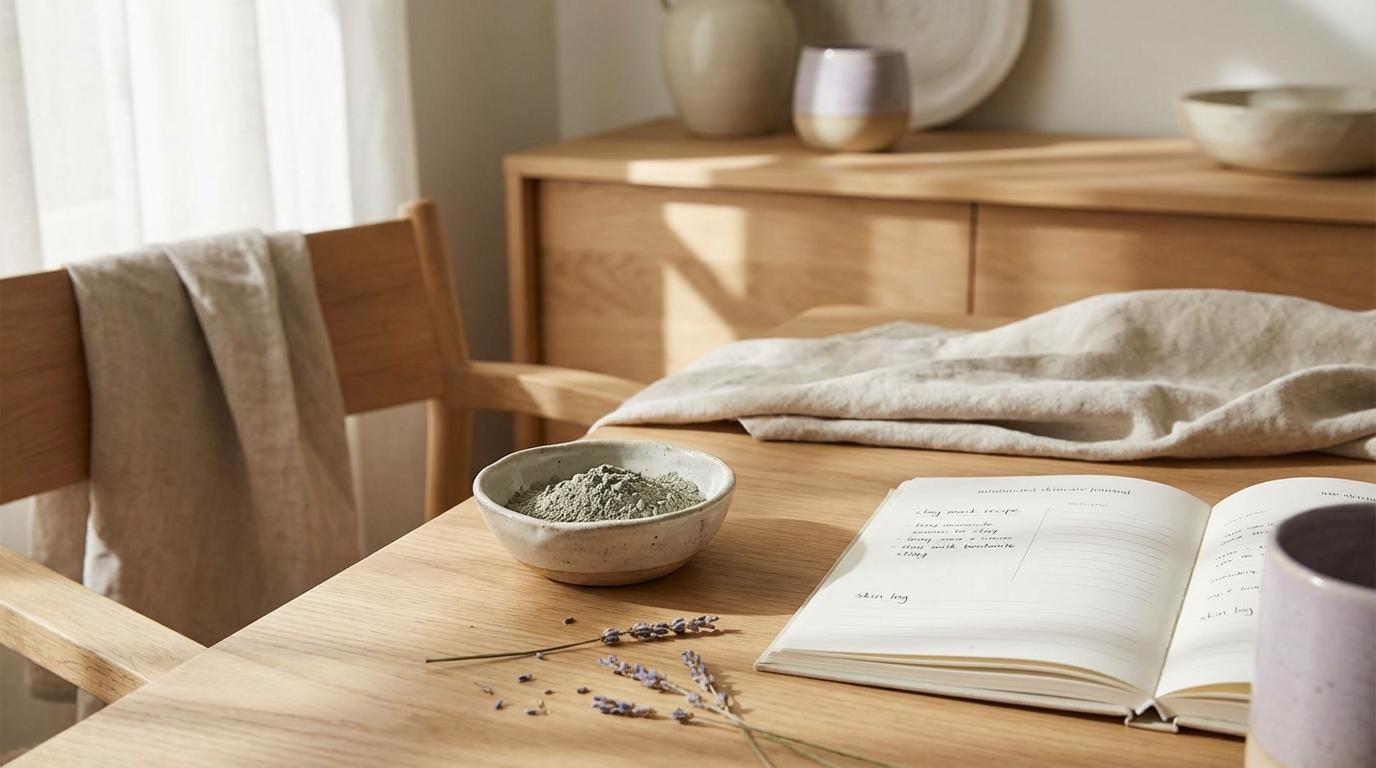
When bentonite clay meets water, it undergoes a fascinating transformation: its particles swell and develop a negative electrical charge that attracts positively charged impurities like a magnet pulls metal shavings. This process, called adsorption, is why clay masks have been used for centuries to draw out excess oil and debris from pores. But understanding this mechanism also reveals why bentonite can be both a powerful ally for oily skin and a potential source of irritation if overused.
The Science Behind Clay and Oil Absorption
Bentonite clay is formed from volcanic ash, and its unique crystalline structure gives it remarkable properties. Each tiny clay particle is made up of stacked layers, and when exposed to liquid, water molecules slip between these layers, causing them to expand dramatically. According to research published in the International Journal of Cosmetic Science, this swelling can increase the clay’s volume by several times its dry state.
What makes bentonite particularly effective for oily skin is its high cation exchange capacity. In simpler terms, the clay’s negatively charged surface binds to positively charged substances, including sebum, bacteria, and environmental pollutants. As the mask dries on your face, it physically lifts these impurities away from your skin.
This is different from how chemical exfoliants work. While salicylic acid dissolves oil within pores, bentonite works by physical attraction, sitting on the skin’s surface and drawing excess sebum upward. Both approaches can help manage oily skin, but they operate through completely different mechanisms.
Why Your Skin Doesn’t Need Daily Clay Treatments
If bentonite is so effective at removing oil, why not use it every day? The answer lies in understanding your skin’s natural lipid barrier. Your skin produces sebum for good reasons: it keeps the outer layer supple, protects against environmental damage, and maintains the slightly acidic pH that discourages harmful bacteria.
When you strip away oil too aggressively or too frequently, your sebaceous glands may respond by producing even more oil. This rebound effect is frustrating but predictable from a biological standpoint. Your skin senses the sudden dryness and kicks oil production into overdrive to compensate.
Research suggests that once-weekly clay masking provides a good balance for most people with oily skin. This frequency allows you to deep-clean pores without triggering the overproduction cycle. Some dermatologists recommend starting with every ten days if you have combination skin or any tendency toward sensitivity, then adjusting based on how your skin responds.
Signs that you’re using clay too often include:
- Skin feeling tight or “squeaky clean” after cleansing
- Increased oil production within hours of treatment
- Redness or flaking around the nose and chin
- Breakouts in areas that don’t usually get congested
Not All Clay Masks Are Created Equal
Pure bentonite clay, the kind you buy as a powder and mix yourself, is the most potent form. It contains nothing but clay particles and delivers maximum oil absorption. However, this intensity is exactly what makes it potentially too harsh for some users.
Many commercial clay masks blend bentonite with hydrating ingredients like glycerin, hyaluronic acid, or aloe vera. These formulations temper the drying effect while still providing pore-clearing benefits. If you’re new to clay masks or have experienced irritation in the past, these gentler versions might serve you better than pure powder formulas.
The vehicle matters too. Clay mixed with apple cider vinegar, a popular DIY combination, creates a more acidic environment that some find stimulating but others find irritating. Mixing with plain water or hydrosols (like rose water) tends to be gentler on sensitive oily skin. If you’re curious about protecting your skin barrier, this distinction becomes especially important.
Reading Your Skin’s Response
The “right” amount of clay masking varies significantly from person to person. Your ideal frequency depends on factors including how much oil your skin naturally produces, your climate, your overall routine, and even hormonal fluctuations throughout the month.
A good practice is to observe your skin for 48 hours after a clay treatment. If your oil production returns to normal levels without becoming excessive, and you don’t experience tightness or irritation, your current approach is probably working. If you notice your skin becomes shinier than usual within a day or two, or if you develop dry patches, adjust your frequency or consider a gentler formula.
According to board-certified dermatologist Dr. Loretta Ciraldo, the post-mask period is also crucial. She recommends following any clay treatment with a lightweight, non-comedogenic moisturizer to prevent the rebound oiliness that comes from overstripping.
Gentler Alternatives Worth Considering
Bentonite isn’t the only option for managing oily, congested skin. If you find it too aggressive even with weekly use, several alternatives can provide similar benefits with less intensity.
Kaolin clay is bentonite’s milder cousin. It absorbs oil without the same strong pulling action, making it suitable for sensitive-oily and combination skin types. Many people who can’t tolerate bentonite do well with kaolin-based masks two or three times per week.
French green clay (illite) falls somewhere between kaolin and bentonite in terms of absorbency. It also contains trace minerals that some users find beneficial for overall skin tone. This middle-ground option works well for those who find kaolin too mild but bentonite too intense.
Rice bran powder offers a completely different approach. Rather than absorbing oil, it provides gentle physical exfoliation that helps prevent pore congestion. Mixed into a paste with water, it can be used more frequently than clay without the drying effects.
Niacinamide serums tackle oil production through a biochemical pathway rather than physical absorption. Studies show that niacinamide can help regulate sebum production over time, making it a good long-term strategy for oily skin management. Unlike clay, niacinamide can be used daily.
Building a Balanced Approach
The most effective oily skin routines usually combine several strategies rather than relying heavily on any single product. Clay masks work best as one component of a broader system that includes gentle daily cleansing, hydration (yes, even oily skin needs moisture), and targeted treatments for specific concerns.
A sensible weekly structure might look like this:
- Daily: Gentle cleanser, lightweight moisturizer, SPF
- Every other day: BHA (salicylic acid) toner or serum for pore maintenance
- Once weekly: Clay mask for deep cleaning
- As needed: Spot treatments for active breakouts
This approach respects your skin’s natural functions while providing the oil control you’re looking for. The clay mask becomes a weekly reset rather than a daily assault, and your skin has time to recover and maintain its protective barrier between treatments.
When to Skip the Clay Entirely
Certain situations call for avoiding clay masks temporarily or permanently. If you’re using prescription retinoids, your skin is already undergoing significant turnover, and adding strong clay treatments may cause excessive dryness or irritation. The same applies during the initial weeks of starting any new active ingredient.
If you’re dealing with active eczema, psoriasis, or severely compromised barrier function, clay masks are likely to make things worse rather than better. In these cases, focus on calming and repairing your skin before introducing any product designed to absorb oil.
Pregnancy sometimes changes how skin responds to previously tolerated products. While bentonite clay is generally considered safe for topical use, some pregnant women find their skin becomes more reactive. Pay attention to any new sensitivities and adjust accordingly.
Making Peace with Your Sebaceous Glands
Oily skin can feel like a constant battle, but shifting your perspective might help. Those sebaceous glands that seem to work overtime are also responsible for the natural lubrication that keeps skin looking plump and ages more slowly than dry skin. The goal isn’t to eliminate oil production entirely, just to keep it in balance.
Bentonite clay can absolutely be part of an effective oily skin routine, but it works best when used thoughtfully. Weekly treatments give you the pore-clearing benefits without triggering the defensive mechanisms that lead to even more oil. And if straight bentonite proves too much for your skin, the gentler alternatives can provide similar results with less stress on your barrier.
Pay attention to what your skin tells you after each treatment. The tight, matte finish that feels satisfying right after a mask might be a warning sign if it persists for hours. Healthy oily skin should feel balanced, not stripped. Finding that equilibrium takes some experimentation, but once you do, you’ll understand exactly how often and how intensely to use these powerful ingredients.