
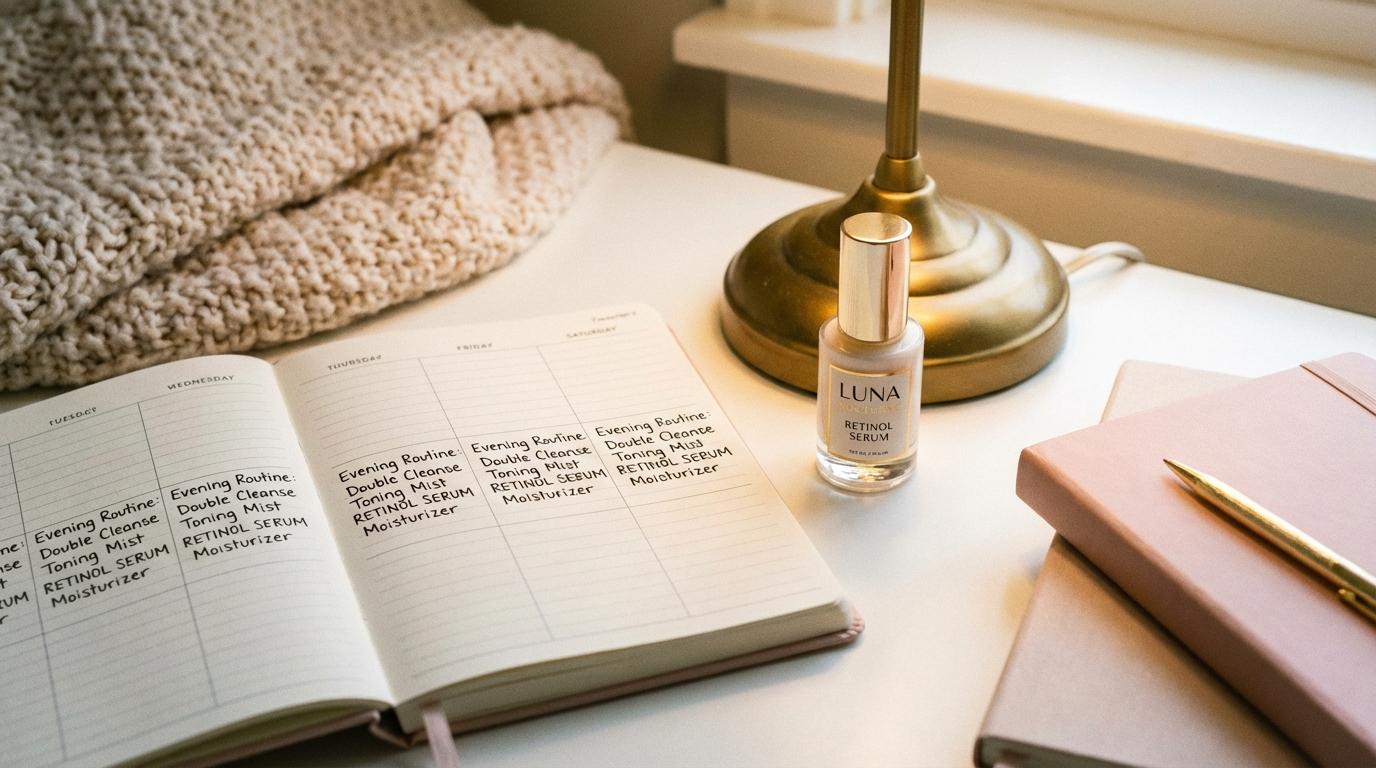
I avoided retinol for two years because my sensitive skin threw a tantrum every time I tried it. The redness, the peeling, the “are you okay?” comments from my roommate became too much. Then I stumbled across encapsulated retinol, and now I feel like I wasted all that time being scared of an ingredient that could have been much gentler from the start.
If you’ve been eyeing retinol products but worry about irritation, you’re not alone. Encapsulated retinol has become a buzzword in skincare, promising the benefits of regular retinol without the harsh side effects. But does the science back up the marketing? Let’s break down what encapsulation actually means for your skin and your wallet.
What Encapsulation Technology Actually Does
Think of encapsulation like putting retinol in a tiny protective bubble. Instead of dumping the active ingredient directly onto your skin all at once, these microscopic capsules create a barrier around the retinol molecules. The outer shell can be made from various materials, including lipids, polymers, or silica, depending on the brand and formulation.
When you apply an encapsulated retinol product, these capsules don’t break immediately. They gradually release the retinol as they interact with your skin’s natural enzymes and oils. This controlled delivery means your skin gets a steady, lower dose over several hours rather than a concentrated hit right away.
According to research published in the Journal of Cosmetic Dermatology, encapsulation can improve the stability of retinol, which is notoriously sensitive to light and air. Regular retinol starts degrading the moment it’s exposed to oxygen, but encapsulated versions stay protected until they reach your skin. This means you might actually get more of the active ingredient doing its job instead of sitting useless in the bottle.
The Slower Release Advantage
The main selling point of encapsulated retinol is reduced irritation, and there’s legitimate reasoning behind this claim. When standard retinol hits your skin, it converts to retinoic acid relatively quickly. This rapid conversion can overwhelm skin cells, leading to the classic retinol side effects: dryness, flaking, redness, and sensitivity.
Encapsulated versions slow this process down. Your skin receives smaller amounts of retinol over an extended period, giving it time to adapt and process the ingredient without going into defense mode. For people with sensitive skin or those new to retinoids, this gradual approach can make the difference between tolerating a product and abandoning it after a week.
Dermatologist Dr. Whitney Bowe has discussed on her Instagram how encapsulated retinol can be a good starting point for retinol beginners. The slower release allows skin to build tolerance more comfortably, potentially reducing the dreaded “retinization” period that makes so many people give up on retinoids entirely.
If you’re dealing with a damaged skin barrier, this gentler approach matters even more. Aggressive products can set back your progress and create new problems. You might find our guide on resetting your skin routine helpful if you’re coming back from overexfoliation or product overload.
Trade-Offs You Should Know About
Nothing in skincare is perfect, and encapsulated retinol has its limitations. The most significant trade-off is potency. Because the retinol releases slowly and in smaller doses, you may not see results as quickly as you would with a standard retinol product.
If you’re trying to address significant concerns like deep wrinkles, stubborn hyperpigmentation, or severe acne, encapsulated retinol might not be strong enough to give you the results you want. Board-certified dermatologists often recommend prescription tretinoin for these issues because over-the-counter options, even good ones, can only do so much.
There’s also the question of whether all encapsulated retinol products are created equal. The quality of encapsulation technology varies between brands. Some companies use advanced delivery systems that genuinely protect and release retinol effectively. Others slap “encapsulated” on the label while using less sophisticated methods that don’t provide much benefit over regular retinol.
Price is another consideration. Encapsulated retinol products often cost more than their standard counterparts because the technology adds manufacturing complexity. As someone who’s always watching my budget, I had to weigh whether the extra cost was worth it for my skin type. For products that work without breaking the bank, check out our guide to The Ordinary’s best products, which includes some affordable retinoid options.
Who Benefits Most From Encapsulated Retinol
Encapsulated retinol isn’t for everyone, but it shines in specific situations. You’re a good candidate if you fall into any of these categories:
- You’ve tried regular retinol before and experienced significant irritation
- You have naturally sensitive or reactive skin
- You’re completely new to retinoids and want to ease in gently
- Your skin is currently recovering from damage or overtreatment
- You live in a harsh climate where extra gentleness helps
On the other hand, if you’ve been using retinol for years without issues, switching to an encapsulated version might feel like a downgrade. Your skin has already built up tolerance, so you can likely handle stronger formulations without problems.
The same applies if you have specific skin goals that require more aggressive treatment. A dermatologist visit might be more productive than hunting for the perfect encapsulated product. Prescription retinoids are regulated and standardized, so you know exactly what concentration you’re getting.
How to Tell If Your Product Uses Real Encapsulation
Unfortunately, “encapsulated retinol” isn’t a regulated term, so brands can use it loosely. Here are some ways to figure out if a product is legitimately using encapsulation technology:
Check the ingredient list carefully. Look for terms like retinol microspheres, retinol liposomes, or specific encapsulation technologies that the brand names directly. If the label just says “retinol” without any mention of delivery system ingredients, the encapsulation claim might be more marketing than science.
Research the brand’s technology. Reputable companies usually explain their encapsulation method on their website or in product literature. If they’re vague about how the technology works or can’t point to any supporting research, be skeptical.
Look at the texture. Many encapsulated retinol products have a slightly different texture than regular retinol serums. Some contain visible beads or have a unique consistency that indicates the presence of capsules. This isn’t foolproof, but it can be a hint.
Price can be a clue. Real encapsulation technology costs money to develop and manufacture. If a product claims to use advanced encapsulation but costs the same as drugstore retinol, the technology might not be as sophisticated as advertised.
Getting the Most Out of Encapsulated Retinol
Even with gentler delivery, using encapsulated retinol correctly makes a difference. Start slow, applying it two or three times per week at first. Yes, it’s supposed to be less irritating, but why push your luck? Give your skin time to adjust.
Apply it at night on completely dry skin. Damp skin absorbs products faster, which can increase irritation even with encapsulated formulas. Wait about 20 minutes after washing your face before applying.
Sunscreen is non-negotiable. Retinol makes your skin more sensitive to UV damage regardless of how it’s delivered. The American Academy of Dermatology recommends using broad-spectrum SPF 30 or higher every single day when using retinoids.
Don’t mix encapsulated retinol with other strong actives, at least not in the same routine. Layering it with AHAs, BHAs, or vitamin C can still cause irritation. Keep your retinol nights simple: cleanser, retinol, moisturizer, done.
If you notice irritation despite using an encapsulated formula, scale back before assuming the product isn’t right for you. Try using it once a week for a month, then gradually increase. Some skins just need more adjustment time, and that’s completely normal.
Budget-Friendly Encapsulated Retinol Options
Good news for those of us who can’t drop serious cash on skincare: affordable encapsulated retinol exists. The Inkey List and The Ordinary both offer retinoid products with encapsulation or slow-release technology at drugstore prices. Olay’s Regenerist line also uses retinoid technology designed for reduced irritation.
When shopping on a budget, focus on products from established brands with decent reviews. Reading reviews specifically from people with sensitive skin gives you real-world feedback on whether the “gentle” claims hold up. A product with thousands of reviews mentioning low irritation is probably doing something right.
You don’t need to buy the most expensive encapsulated retinol on the market. Price doesn’t always equal effectiveness, especially once you get past a certain quality threshold. A $25 product with good encapsulation technology can outperform a $80 serum with flashy marketing but mediocre formulation.
The Honest Answer: Is It Really Gentler?
For most people with sensitive or reactive skin, yes, encapsulated retinol genuinely is gentler than standard formulas. The slow-release mechanism makes scientific sense, and plenty of users report better tolerance compared to traditional retinol products.
But “gentler” doesn’t mean “magic.” You might still experience some adjustment symptoms, especially in the first few weeks. The improvement is relative: less irritation, not zero irritation. Managing expectations helps you stick with a product long enough to see real results.
The technology also doesn’t change what retinol fundamentally does. It speeds up cell turnover and boosts collagen production. These effects take time regardless of delivery method. Give any retinol product, encapsulated or not, at least three months before judging results.
For stubborn skin concerns, encapsulated retinol might not be potent enough. That’s when talking to a dermatologist about prescription options makes sense. There’s no shame in admitting an over-the-counter product has limitations. Knowing when to level up is part of smart skincare.
If you’re curious about other ingredients that can help with irritation and redness, our article on azelaic acid benefits covers another gentle option worth considering.
Making Your Decision
Encapsulated retinol won’t replace prescription retinoids for serious skin issues, but it fills an important gap for people who need a gentler introduction to vitamin A derivatives. If traditional retinol has been too harsh or you’re nervous about trying retinoids at all, encapsulated versions offer a reasonable middle ground.
Do your research on specific products, watch for legitimate encapsulation technology, and start slowly regardless of how gentle a product claims to be. Your skin doesn’t care about marketing copy. It only responds to what you actually put on it and how carefully you do it.
Two years of avoiding retinol taught me that fear doesn’t protect your skin, but neither does jumping into harsh products unprepared. Encapsulated retinol gave me a way to finally use an ingredient I’d been too scared to try. If you’re in the same boat, it might do the same for you.