
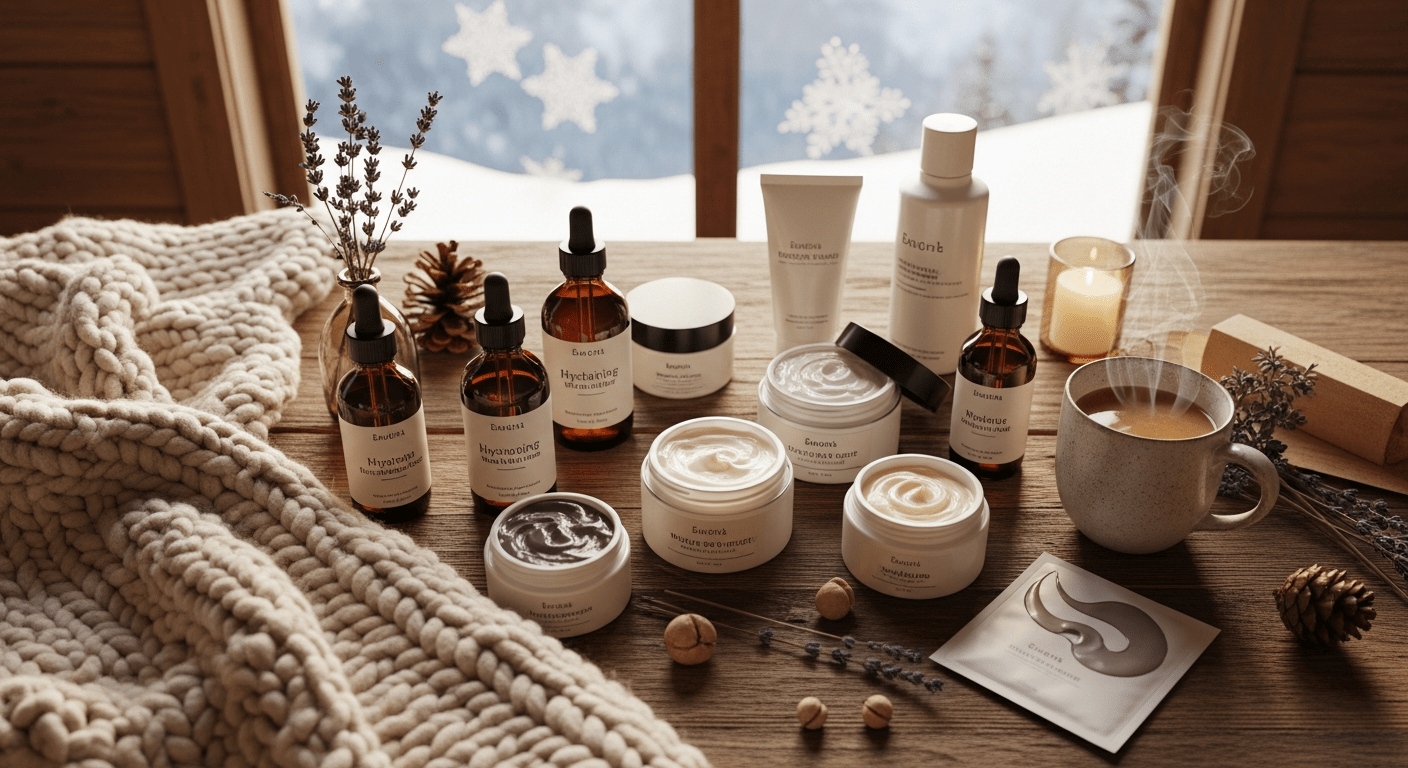
So you are headed to the mountains. Maybe skiing, maybe hiking, maybe just escaping to somewhere with actual fresh air and scenic views. I fully support this decision. What I also support is you not coming back with skin that looks like it survived a desert expedition.
Because here is the thing nobody warns you about: altitude absolutely wrecks your skin if you are not prepared. I learned this the hard way on a Colorado trip where I packed cute outfits and exactly zero skincare adjustments. My face looked like a cracked riverbed by day two. Let me save you from that fate.
What Altitude Actually Does to Your Skin
Okay, quick science moment (I promise it is short). The higher up you go, the thinner the air gets. Less air pressure means moisture evaporates from your skin faster. Like, significantly faster. Your skin is basically losing water at an accelerated rate just by existing up there.
Then there is the sun situation. For every 1,000 feet of elevation gain, UV exposure increases by about 4-5%. So if you are at 10,000 feet (which is pretty standard for ski resorts), you are getting roughly 40-50% more UV radiation than at sea level. That is not a small number. And if you have ever worried your sunscreen might be breaking you out, altitude trips make picking the right one even more critical.
Add in the cold, dry mountain air, the wind exposure, and possibly some snow glare reflecting even more UV at your face, and you have a perfect storm for dehydrated, sun-damaged skin. Fun!
Adjusting Your Routine for the Mountains
Hydration Goes Into Overdrive
Everything you know about hydration? Double it. Triple it if you are above 8,000 feet.
Your usual lightweight moisturizer is not going to cut it. You need something richer, something that creates a barrier to prevent moisture loss. Think creams over lotions, balms over gels. If a product feels almost too heavy at sea level, it is probably just right for altitude.
Layer a hydrating serum underneath your moisturizer. Hyaluronic acid is your friend here, but (and this is important) you need to seal it in with an occlusive layer. Understanding your skin barrier helps here. At altitude, hyaluronic acid can actually pull moisture out of your skin if there is not enough humidity in the air for it to draw from. Counterproductive, I know.
SPF Is Non-Negotiable (And I Mean It)
I cannot stress this enough. SPF 30 is your absolute minimum, but honestly, SPF 50 is better. Reapply every two hours if you are outside, more frequently if you are sweating or wiping your face.
Do not forget the spots people always miss: your ears, the back of your neck, and around your nostrils. Snow reflects up to 80% of UV rays, so you are getting hit from above AND below. Your under-eye area and the bottom of your chin are getting sun exposure they usually never see.
Mineral sunscreens (zinc oxide, titanium dioxide) often perform better in cold temperatures and are less likely to sting if they get in your eyes while you are being active. Just something to consider.
Your Lips Need Extra Love
Your lips do not have oil glands, which means they cannot protect themselves from moisture loss. At altitude, they are usually the first to suffer. Invest in a good lip balm with SPF (yes, SPF for your lips, this matters). Reapply constantly. I keep one in every pocket, and I am not exaggerating.
If your lips are already cracked, avoid anything with fragrance or flavor additives. Plain petroleum jelly or a thick balm with shea butter works best for healing.
Dial Back the Actives
Now is not the time to be using your retinol or your glycolic acid. Seriously. Your skin is already stressed from the environmental changes. Adding in ingredients that increase sensitivity and potentially thin the skin barrier is asking for trouble.
Stick to gentle, hydrating ingredients while you are at altitude. Save the actives for when you are back home and your skin has readjusted.
Morning vs. Evening Routine
Morning (Before Heading Out)
Keep your morning routine focused on protection:
- Gentle cleanser (nothing stripping)
- Hydrating serum
- Rich moisturizer
- SPF 50 (applied generously)
- SPF lip balm
If you are wearing makeup, keep it minimal. Heavy foundation can look patchy on dry skin, and you will probably be wiping your face anyway. A tinted moisturizer with SPF can pull double duty.
Evening (Recovery Mode)
Your evening routine is where you repair the day’s damage:
- Oil cleanse to remove sunscreen thoroughly
- Gentle second cleanse
- Hydrating toner (pat it in, do not wipe)
- Serum (something soothing, maybe with centella or niacinamide)
- Heavy moisturizer or sleeping mask
- Lip mask or thick balm
If your skin feels irritated, a product with aloe or colloidal oatmeal can help calm things down.
Products Worth Packing
You do not need to bring your entire skincare collection. Here is what actually matters:
- A rich moisturizer: Look for ceramides, squalane, or shea butter
- SPF 50: Preferably water-resistant if you will be active
- Hydrating serum: Hyaluronic acid with additional humectants like glycerin
- Lip balm with SPF: Multiple ones. Put them everywhere
- Gentle cleanser: Cream or oil-based, nothing foaming
- An occlusive: Aquaphor, Vaseline, or a thick balm for emergency dry patches
Bonus Tips From Someone Who Learned the Hard Way
Drink so much water. Then drink more. The dehydration at altitude hits differently, and it affects your skin from the inside too. Herbal tea counts. Alcohol does not (it actually makes dehydration worse, sorry).
Run a humidifier in your accommodation if you can. Hotel and cabin air is already dry, and at altitude it is even worse. Your skin will thank you in the morning.
Do not take super hot showers, even though they feel amazing after a cold day. Hot water strips your skin’s natural oils and makes dryness worse. Lukewarm is the way to go.
If you are doing any outdoor activities, consider a physical barrier like a balaclava or neck gaiter for wind protection. Wind burn is real and it hurts.
When You Get Back to Sea Level
Your skin might take a few days to readjust when you return home. The humidity will feel strange at first (in a good way). Ease back into your normal routine gradually. Your skin has been through a lot. Be patient with it.
If you did get some sun damage or dryness despite your best efforts, do not panic. Focus on gentle hydration and avoid picking at any peeling skin. It will recover. Skin is remarkably good at bouncing back when you give it what it needs.
Now go enjoy those mountains. Just, you know, bring the good sunscreen.