
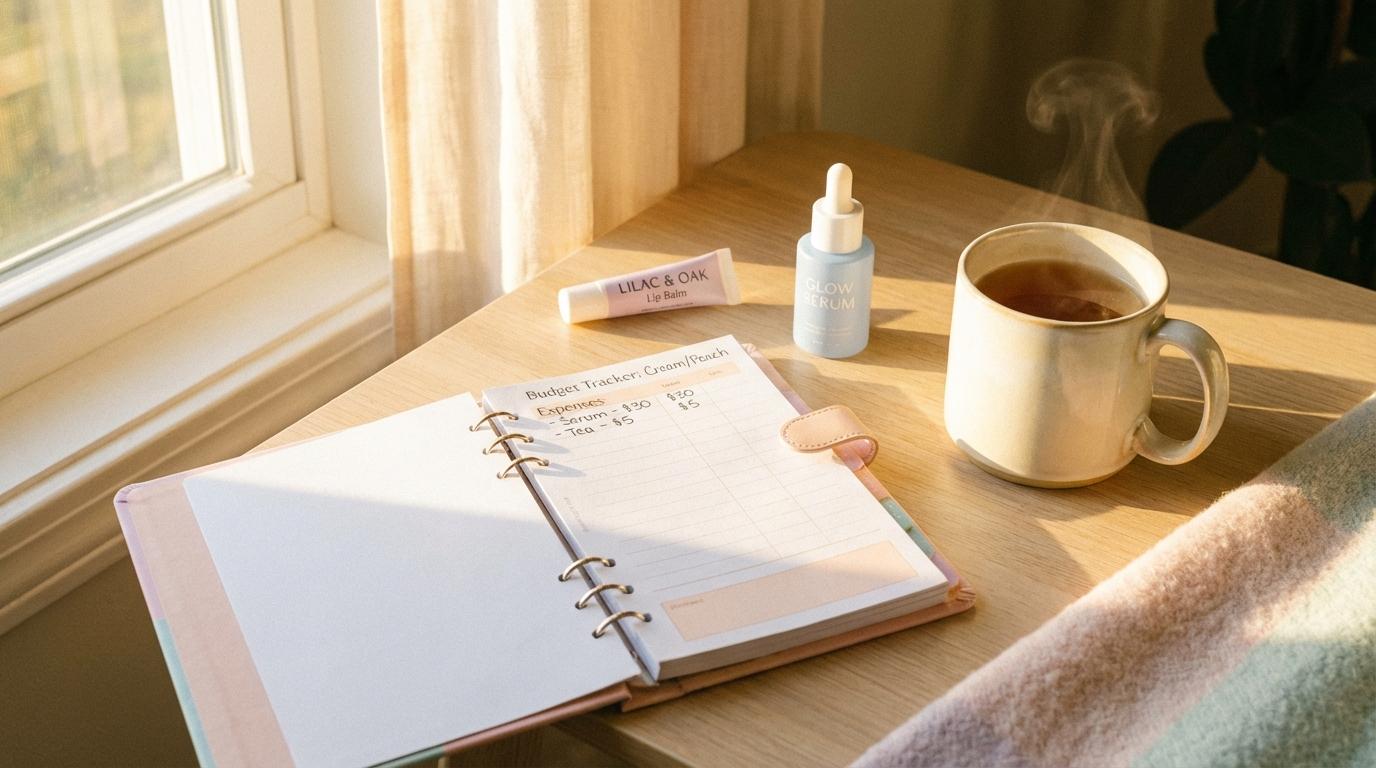
When I first decided to simplify my expensive skincare routine, I made the mistake of switching everything at once. Within a week, my skin was confused, irritated, and breaking out in ways it hadn’t since high school. The problem wasn’t that budget products don’t work. The problem was my approach. Transitioning to more affordable skincare is absolutely possible, but it requires patience and intention, qualities that serve us well in so many areas of life.
Whether you’re moving away from high-end products because of budget constraints, product availability, or simply the realization that you don’t need to spend hundreds of dollars for healthy skin, the process can be smooth and even enjoyable. Your skin just needs time to adjust, and you need a plan that honors where you are right now.
Understanding Why Gradual Change Matters
Your skin develops a relationship with the products you use. The ingredients, textures, and formulations become familiar to your skin’s ecosystem. When you suddenly replace everything, your skin doesn’t know how to respond. It might overproduce oil to compensate for a lighter moisturizer, or it might become sensitized because the new cleanser has a different pH than what it’s used to.
This doesn’t mean budget products are inferior. It simply means change, any change, requires adaptation. Think of it like adjusting to a new sleep schedule or eating pattern. Your body needs time to recalibrate, and your skin is no different.
The good news is that most budget-friendly skincare brands, particularly those recommended by dermatologists, are formulated with gentle, effective ingredients that work beautifully for most skin types. CeraVe, Vanicream, The Ordinary, and similar brands have earned their reputations by delivering results without unnecessary complexity. The transition isn’t about downgrading your skincare. It’s about finding what truly serves your skin without the markup.
Start With One Product at a Time
The foundation of a successful transition is patience. Rather than overhauling your entire routine, choose one product to swap and give your skin at least two weeks to adjust before making another change. This approach allows you to notice how your skin responds to each new product individually.
Begin with the product that feels least essential to your current results. For many people, that’s the cleanser. Cleansers stay on your skin briefly and have less impact on your skin’s long-term condition than leave-on products like serums or moisturizers. Swapping a $40 cleanser for a $10 one is often the easiest transition your skin will experience.
If your cleanser swap goes well, move on to your moisturizer next. This step requires a bit more attention because moisturizers vary significantly in texture and ingredients. If you’ve been using a rich, heavy cream, switching to a lighter lotion might leave your skin feeling dry at first, even if the new product is perfectly adequate. Give yourself time to adjust, and remember that what feels unfamiliar isn’t necessarily wrong.
Save your most active products for last. If you’re using a prescription retinoid or a vitamin C serum that you love, there’s no rush to replace those. Actives are where formula quality and ingredient stability matter most, so take your time researching affordable alternatives or simply keep what works while budgeting elsewhere.
Finding Affordable Dupes That Actually Work
The word “dupe” gets thrown around a lot in skincare communities, but not all dupes are created equal. A true dupe isn’t just a cheaper product in similar packaging. It’s a product with comparable active ingredients at similar concentrations, formulated in a way that allows those ingredients to actually benefit your skin.
When searching for budget alternatives, focus on ingredients rather than brand promises. If your current moisturizer lists ceramides, hyaluronic acid, and niacinamide as key ingredients, look for an affordable option with those same components. CeraVe PM Facial Moisturizing Lotion, for example, contains all three and costs a fraction of many premium moisturizers with identical ingredient profiles.
Resources like the Skincare Addiction community on Reddit and websites that break down ingredient lists can help you identify which expensive products have affordable equivalents. You might discover that the $80 serum you’ve been using contains the same percentage of vitamin C as a $15 option from The Ordinary. If you’re curious about building an effective affordable routine, our guide to The Ordinary products can help you navigate their extensive lineup.
Be wary of dupes that promise identical results but have completely different formulations. A product isn’t a dupe just because it’s the same color or comes in similar packaging. Trust the ingredient list, not the marketing.
Testing New Products Without Disrupting Your Skin
Every time you introduce a new product, you’re conducting a small experiment on your skin. Approach this thoughtfully by patch testing and introducing one variable at a time.
Patch testing involves applying a small amount of the new product to a discreet area of skin, often behind the ear or along the jawline, for a few days before using it on your whole face. This step feels tedious, but it can save you from a full-face reaction that sets your skin back for weeks.
Once you’ve confirmed the product doesn’t cause immediate irritation, introduce it gradually. If you’re switching moisturizers, you might use your new budget option every other night for the first week while continuing with your old product on alternate nights. This allows your skin to ease into the change rather than shocking it with something completely unfamiliar.
Pay attention to how your skin feels and looks during this transition period. Some adjustment is normal, but persistent dryness, oiliness, or breakouts after two weeks might indicate the product isn’t right for you. And that’s okay. Finding the right affordable products sometimes requires trying a few options. If you’re experiencing unusual reactions, our guide on knowing when your skin needs a change can help you interpret what’s happening.
Avoiding Disruption to Your Skin Barrier
Your skin barrier is the outermost layer of your skin, and it’s more delicate than many people realize. A healthy barrier keeps moisture in and irritants out. A compromised barrier leads to sensitivity, dehydration, and a cycle of products that never seem to work.
When transitioning products, protecting your barrier should be your priority. This means being especially careful with any products that might have stripping or irritating effects. If you’re switching to a budget cleanser, make sure it’s a gentle, pH-balanced formula that won’t disrupt your skin’s natural protective layer.
Look for barrier-supporting ingredients in your new products. Ceramides, fatty acids, squalane, and glycerin all help maintain a strong, healthy barrier. Many affordable brands prioritize these ingredients precisely because they’re effective and well-tolerated by most skin types.
If you notice signs of barrier damage during your transition, like increased sensitivity, tightness, or a rough texture, pause the changes and focus on healing. A simple routine of gentle cleanser and a rich, occlusive moisturizer can help your skin recover. Only resume your transition once your barrier feels strong again.
The Mindset Shift That Makes Everything Easier
Part of transitioning to budget skincare involves releasing the belief that expensive equals effective. This belief is reinforced constantly through marketing, packaging, and the very act of paying more for something. It can feel counterintuitive to trust a $12 moisturizer when you’ve been using a $75 one, even if the ingredients are comparable.
Remember that skincare brands have vastly different overhead costs. A brand that spends millions on celebrity endorsements and luxurious packaging passes those costs on to you. A brand that focuses on formulation and sells through drugstores can offer the same quality at a fraction of the price. Your skin cannot tell the difference between a product that cost $10 and one that cost $100. It only responds to the ingredients.
Many dermatologists use and recommend budget-friendly products for themselves and their patients. These are professionals who have dedicated their careers to understanding skin health, and they consistently reach for affordable options. That endorsement should mean more than any glossy advertisement.
Creating Your Transition Timeline
A realistic transition from an expensive routine to a budget-friendly one takes about two to three months if you’re doing it thoughtfully. Here’s a gentle framework to follow:
Weeks 1-2: Research affordable alternatives to your current products. Read ingredient lists, check reviews from people with similar skin types, and identify which product you’ll swap first.
Weeks 3-4: Introduce your first budget product, typically your cleanser. Use it exclusively and monitor your skin’s response.
Weeks 5-6: If your skin has adjusted well, swap your moisturizer. Continue using your new cleanser.
Weeks 7-8: Evaluate your sunscreen. Many affordable sunscreens perform just as well as expensive ones. CeraVe AM, Neutrogena Hydro Boost SPF, and similar options offer reliable protection.
Weeks 9+: Address any remaining products like serums or treatments. These transitions might take longer if you’re using active ingredients that require careful formulation.
This timeline isn’t rigid. If your skin needs more time to adjust, take it. If you find a product that doesn’t work, return to what you were using before and try a different affordable option. The goal isn’t speed. The goal is a sustainable routine that serves your skin and your budget.
Embracing Simplicity
One unexpected benefit of transitioning to budget skincare is that it often leads to a simpler routine. When every product costs $60 or more, there’s pressure to use each one religiously to justify the investment. With affordable products, you can use what your skin actually needs without guilt about “wasting” expensive formulas.
Many people discover their skin actually prefers a pared-down approach. A gentle cleanser, a good moisturizer, and daily sunscreen form the foundation of healthy skin. Everything else, the serums, treatments, and specialty products, can be added thoughtfully when needed rather than piled on in pursuit of some idealized routine.
Your skin has an incredible capacity to take care of itself when you give it the basics and avoid overwhelming it with too many products. Budget skincare often aligns naturally with this philosophy, focusing on straightforward formulas that do their job without complication.
If you’re interested in exploring a more minimalist approach to skincare, our piece on rest days for your skin offers some perspective on why sometimes less really is more.
Moving Forward With Confidence
Transitioning to budget skincare is not about deprivation or settling. It’s about making informed choices that serve your skin and your financial wellbeing. The products dermatologists recommend most frequently often sit in drugstore aisles, accessible and affordable. The expensive products aren’t inherently better. They’re just marketed more aggressively.
Trust the process, take your time, and listen to your skin. The routine you build with patience and intention will serve you far better than any collection of expensive products ever could. And the money you save? That belongs to you, to use however brings you joy.