
Shopping for centella products gets confusing fast. One bottle says “centella asiatica,” another screams “madecassoside,” and a third lists “cica” like that clears anything up. They all sound botanical and fancy, but are you even buying the same thing?
Short answer: not exactly. Madecassoside is one specific compound that comes from the centella asiatica plant. Think of centella as the whole pizza, and madecassoside as a single slice. Important slice? Absolutely. The whole thing? Nope.
Centella Asiatica: The Full Picture
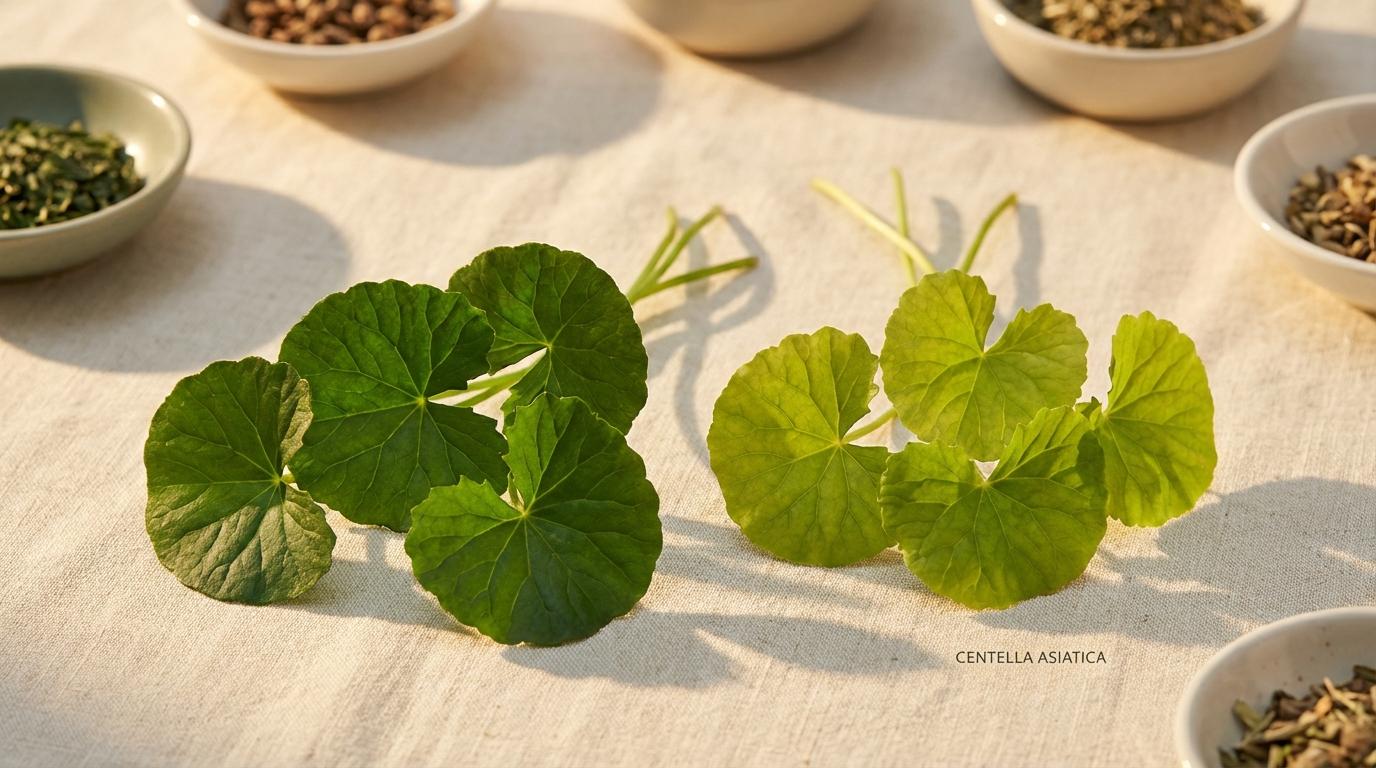
Centella asiatica is a plant. It grows in wetlands across Asia and has been used in traditional medicine for centuries. When skincare brands use “centella extract,” they typically pull a mix of active compounds from the leaves.
The four main actives in centella are:
- Asiaticoside
- Madecassoside
- Asiatic acid
- Madecassic acid
These four together are sometimes called “centella’s core compounds” or marketed as TECA (titrated extract of centella asiatica). Each one does slightly different things for your skin, though they share anti-inflammatory properties.
Full centella extracts give you access to all four. That can be a good thing if you want broad-spectrum benefits.
Madecassoside: The Star Player
Madecassoside is the compound that gets the most attention in skincare formulations right now. There are reasons for that.
Research shows madecassoside is particularly effective at calming inflammation and supporting wound healing. It promotes collagen synthesis and helps protect the skin barrier. When your skin is red, irritated, or recovering from damage, madecassoside is the compound doing heavy lifting.
Studies have also linked it to antioxidant activity and improved skin hydration. If you struggle with persistent redness, products highlighting madecassoside specifically might give you more targeted results.
Some brands isolate madecassoside and use it in higher concentrations than you would get from a general centella extract. The logic: more of the good stuff, less filler.
Which One Is More Potent?
Comparing potency between centella and madecassoside is tricky because one contains the other. It is like asking whether oranges or vitamin C is stronger. Vitamin C is more concentrated, but an orange brings other benefits along for the ride.
If your skin needs serious calming, isolated madecassoside at a higher percentage will probably work faster. Brands like Dr. Jart+ and SKIN1004 have built entire lines around this approach.
But if your skin is more generally stressed or you want preventive care, full centella extract covers more bases. Asiaticoside, for example, also supports collagen production and wound healing. Asiatic acid has antimicrobial properties. You get a wider net.
Neither is objectively “better.” Your skin’s current situation determines what you need.
How Products Use Each
Product formulations tell you a lot about what the brand is trying to achieve.
Full centella extract shows up in products meant for daily use and general skin health. Toners, light serums, moisturizers for sensitive skin. The goal is usually maintenance and barrier support.
Isolated madecassoside appears in targeted treatments. Recovery balms, post-procedure serums, spot treatments for inflammation. These products expect your skin to be actively distressed.
Some formulas use both. They include full centella extract as a base and then boost madecassoside content on top. COSRX does this in several products. It is a belt-and-suspenders approach that works well for reactive skin types.
Check the ingredient list position. If madecassoside appears in the first third, the formula prioritizes it. If centella asiatica extract is up top but madecassoside shows up near the bottom or not at all, you are getting the full plant profile without extra boosting.
Reading Labels Without Losing Your Mind
Here is what to look for on ingredient lists:
- Centella Asiatica Extract: Full plant extract with all four main compounds
- Madecassoside: Isolated compound, usually for targeted calming
- Asiaticoside: Another isolated compound, focused on healing and collagen
- Centella Asiatica Leaf Water: Very diluted, mostly hydration, minimal active benefit
Some brands get fancy and list “Centella Asiatica (Madecassoside)” which tells you they have extracted and are highlighting that specific compound from the plant.
Korean products often just say “cica.” That is marketing shorthand for any centella-related ingredient. It tells you almost nothing about the actual formulation, so always flip to the full ingredient list.
Matching Your Skin Concern
Different situations call for different approaches. This breakdown helps:
Chronic redness or rosacea tendencies: Go for high-concentration madecassoside. Your skin needs the calming power. Look for it in the first five ingredients.
Post-acne marks and healing: Either works, but madecassoside has more direct research for wound healing. Combine with niacinamide for better results.
Sensitive skin looking for daily protection: Full centella extract in a moisturizer or toner. You want broad support, not just one targeted action.
Eczema-prone or compromised barrier: Full extract tends to be gentler because concentrations of each compound are lower. Check out eczema-friendly routines for layering ideas.
Just curious about the cica trend: Start with full centella extract. It is lower commitment and lets you see how your skin responds before investing in concentrated treatments.
Common Mistakes People Make
Assuming more expensive means more madecassoside. Nope. Some drugstore products have higher concentrations than prestige brands. Always check actual percentages when brands share them.
Thinking cica products are interchangeable. A centella toner and a madecassoside ampoule do different things at different intensities. Using them interchangeably might leave you underwhelmed.
Layering too many centella products at once. If your serum, moisturizer, and mask all contain high centella concentrations, you are not getting triple benefits. Your skin can only absorb so much. Pick one hero product with a high concentration and let others be supporting players.
Expecting instant results. Even isolated madecassoside takes time. Skin cell turnover means you need at least four weeks of consistent use before judging effectiveness.
Products Worth Checking
For high madecassoside content:
- Dr. Jart+ Cicapair Tiger Grass Cream
- SKIN1004 Madagascar Centella Ampoule
- Purito Centella Green Level Buffet Serum
For full centella extract:
- COSRX Centella Water Alcohol-Free Toner
- Isntree Spot Saver Mugwort Ampoule (has centella alongside mugwort)
- Klairs Midnight Blue Calming Cream
All of these are available under $30, usually closer to $15-20. Centella products do not need to be expensive to work.
What Actually Matters
Stop stressing about whether you bought the “right” centella thing. Both full extracts and isolated madecassoside can improve your skin. The difference is intensity and targeting.
If you already have a centella product and your skin likes it, keep using it. If you are shopping for something new and have a specific problem to solve, lean toward madecassoside-focused formulas.
And if a brand is vague about their “cica complex” without telling you what is actually in it? That is a yellow flag. Good formulations are transparent about their star ingredients. You deserve to know what you are putting on your face.