
Scarred skin feels different under your fingertips. There is a texture there, a memory of inflammation that your body tried its best to heal. If you have acne scars, you already know this sensation intimately. And if you have been researching ways to smooth that texture, microneedling has probably crossed your screen more than once.
I want to share what I have learned about this treatment, not because it is a miracle cure (nothing in skincare ever is), but because understanding how it works can help you decide if it belongs in your healing process.
What Microneedling Actually Does to Your Skin
Microneedling uses tiny needles to create controlled micro-injuries in your skin. I know that sounds counterintuitive, especially when we spend so much time trying to protect our skin from damage. But there is method here.
When your skin experiences these precise, shallow wounds, it triggers your body’s natural healing response. Your skin produces new collagen and elastin as it repairs itself. This process, called collagen induction therapy, is the foundation of how microneedling addresses scarring.
The theory is straightforward: by stimulating new collagen production in scarred areas, you can gradually improve skin texture over multiple sessions. The new collagen can help fill in depressed scars and create a smoother surface.
For those working to understand their specific scar types like ice pick, rolling, or boxcar scars, this context matters because different depths and shapes of scars respond differently to treatment.
Professional Treatments vs At-Home Devices
There is a significant difference between what happens in a dermatologist’s office and what you can do at home, and it is not just about convenience.
Professional microneedling typically uses needles ranging from 1.0mm to 2.5mm in depth. These treatments can reach the deeper layers of skin where scar tissue forms. A trained professional can adjust needle depth based on the area being treated and the severity of scarring. The treatment often includes numbing cream because, yes, it can be uncomfortable.
Professional devices are also more powerful and precise. Some offices use devices that combine microneedling with radiofrequency energy for enhanced collagen stimulation. A full treatment series usually requires three to six sessions, spaced four to six weeks apart.
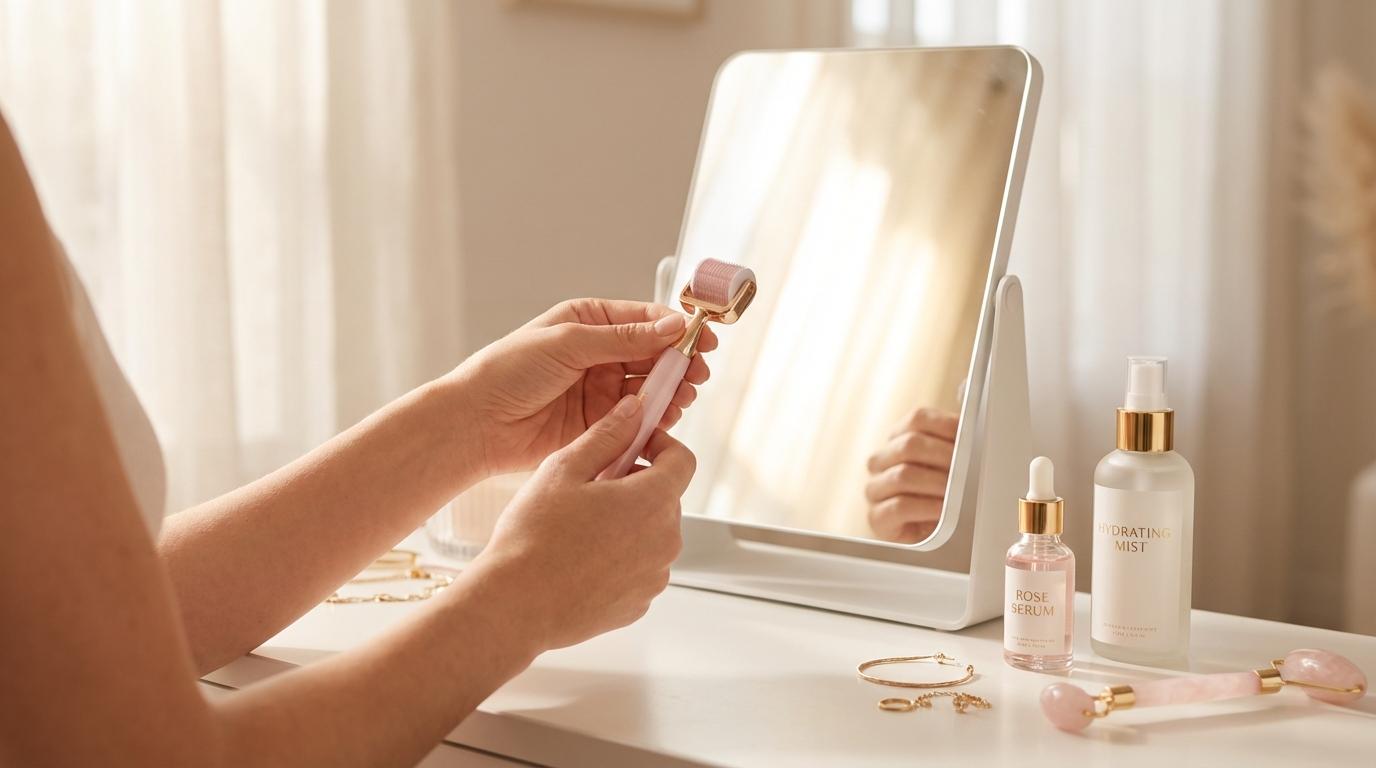
At-home dermarollers and microneedling pens typically have much shorter needles, usually 0.25mm to 0.5mm. These can help with product absorption and may provide mild texture improvement over time, but they cannot reach the depth needed to significantly remodel scar tissue.
If you choose to use an at-home device, please be meticulous about sanitation. These tools must be kept clean, replaced regularly, and never shared. Using a dirty or dull roller can cause infection or additional scarring, which defeats the entire purpose.
Who Benefits Most from Microneedling
Microneedling tends to work best for certain scar types and skin situations:
- Rolling scars: These wave-like, shallow depressions often respond well because they have broad, sloping edges that collagen production can help smooth
- Boxcar scars: The wider, box-shaped depressions can see improvement, particularly if they are not too deep
- General texture irregularities: Overall bumpiness or uneven skin surface from past acne can benefit from the smoothing effect
- Skin that still makes healthy collagen: Younger skin typically responds more robustly, though people of various ages can see results
Microneedling is less effective for:
- Deep ice pick scars: These narrow, deep pits often need more aggressive treatments like TCA Cross or punch excision
- Raised or keloid scars: Creating more collagen in skin that already over-produces it can worsen the situation
- Active acne: Microneedling over active breakouts can spread bacteria and cause more scarring
Before considering microneedling, get your active acne under control first. If you need help with that foundation, having a solid routine designed for scar-prone skin is a good starting point.
What Recovery and Aftercare Look Like
Immediately after professional microneedling, your skin will be red and sensitive. It looks similar to a mild to moderate sunburn and feels warm to the touch. This is normal and expected.
Days 1-3: Your skin will be red, potentially swollen, and very sensitive. Some people experience mild flaking or dryness. This is not the time for active ingredients. Stick with gentle, hydrating products only.
Days 4-7: Redness fades significantly. You may notice some peeling. Your skin is still healing beneath the surface, so continue being gentle.
Weeks 2-4: Your skin settles back to normal on the surface, but collagen remodeling continues underneath. This is when you might start noticing subtle improvements in texture.
Aftercare essentials:
- Skip makeup for at least 24-48 hours post-treatment
- Avoid direct sun exposure and use mineral sunscreen once your skin can tolerate it
- No active ingredients (retinoids, acids, vitamin C) for at least a week
- Keep skin hydrated with gentle, fragrance-free moisturizers
- Do not pick at any flaking skin
- Avoid sweaty workouts for 48-72 hours to prevent irritation and infection
The full results from a microneedling session take about three to six months to fully manifest because collagen remodeling is a gradual process. Patience is essential here.
Realistic Expectations and Limitations
I want to be honest with you: microneedling can improve acne scars, but it rarely eliminates them completely. Most people see about a 50-70% improvement in scar appearance after a full series of treatments. That improvement is meaningful and can make a real difference in how you feel about your skin.
However, if you are expecting your skin to look like it was never scarred, you may feel disappointed. Setting realistic expectations before starting treatment helps you appreciate the genuine improvement that does occur.
Some dermatologists recommend combining microneedling with other treatments for better results:
- Microneedling followed by appropriate topical treatments
- Alternating with chemical peels
- Using PRP (platelet-rich plasma) during treatment for enhanced healing
Preventing New Scars While Treating Old Ones
This part matters just as much as treating existing scars. If you are investing time and money into microneedling, protecting your results by preventing new scars makes sense.
Hands off policy: The urge to pick at pimples is real, but the damage it causes is too. If you absolutely must extract something, learn how to do it safely without causing more damage. But truly, the less you touch your face, the better your scarring outcomes will be.
Treat inflammation quickly: The faster you calm an inflamed pimple, the less likely it is to leave a mark. Spot treatments with benzoyl peroxide or salicylic acid can help reduce the duration and intensity of breakouts.
Sun protection is non-negotiable: UV exposure makes scars more visible and can cause post-inflammatory hyperpigmentation around healing acne. Wear sunscreen daily, especially when you are healing from both breakouts and microneedling treatments.
Support your skin barrier: Healthy, well-moisturized skin heals better than compromised, dry skin. Even if you have oily or acne-prone skin, appropriate hydration helps your skin recover from inflammation without excessive scarring.
Questions to Ask Before Getting Microneedling
If you decide to pursue professional treatment, these questions can help you find a qualified provider:
- What device do you use, and what needle depth do you recommend for my scars?
- How many treatments do you typically recommend, and what is the cost per session?
- Can I see before and after photos of patients with similar scarring?
- What is your aftercare protocol?
- Are there any reasons microneedling might not be right for my specific situation?
According to the American Academy of Dermatology, seeking treatment from a board-certified dermatologist ensures you are getting care from someone trained to assess your skin properly and handle any complications.
A Gentle Perspective on Healing
Acne scars tell a story that many of us share. They are evidence that your skin went through something challenging and did its best to repair itself. Wanting to smooth that texture is completely valid, and microneedling is one tool that can help.
But it is also worth remembering that healing takes time, whether we are talking about the collagen remodeling after a treatment or the process of making peace with skin that carries marks. Both forms of healing matter.
If you decide microneedling is right for you, approach it with patience and realistic expectations. If you decide it is not, that is perfectly fine too. There are many paths to feeling comfortable in your skin, and not all of them require needles.
Whatever you choose, be gentle with yourself and your skin. That gentleness is always part of the healing process.