
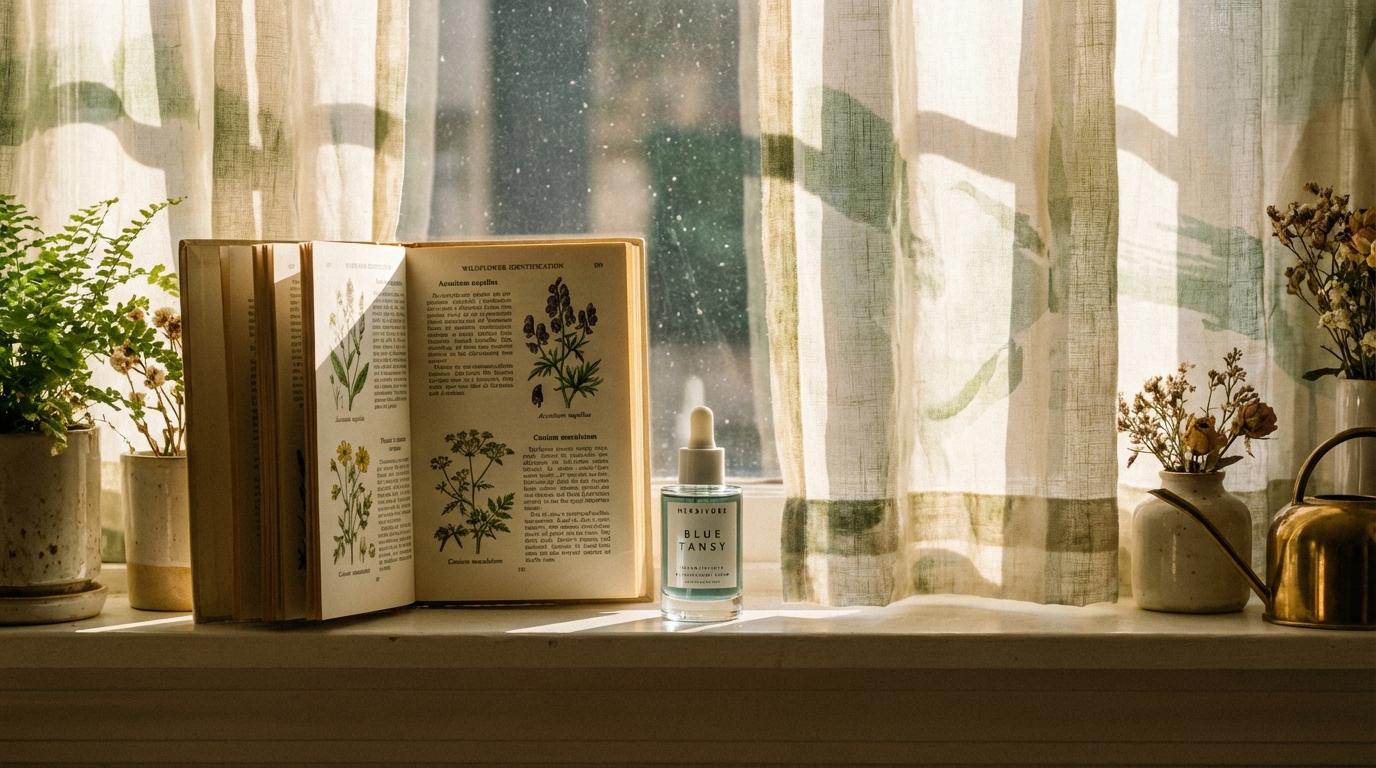
Natural ingredients are gentle and safe for your skin. Except they’re not, at least not automatically.
The beauty industry loves the word “natural” because it sounds wholesome and trustworthy. But poison ivy is natural. Arsenic is natural. Snake venom? Also natural. That doesn’t mean any of them belong on your face.
The Natural Fallacy in Skincare
There’s a logical error called the naturalistic fallacy, and the skincare world has embraced it completely. The assumption goes: if something comes from a plant or exists in nature, it must be better for you than something made in a lab. This ignores basic chemistry and how your skin actually works.
Your skin doesn’t care where an ingredient came from. It cares about the molecule’s structure, concentration, and how it interacts with your cells. A synthetically produced molecule that’s identical to a natural one will behave the same way because chemistry doesn’t have opinions about origin stories.
Dermatologist Dr. Joshua Zeichner has pointed out that with the rise of the natural skincare movement, more products are being formulated with essential oils, which are known irritants. The idea that natural automatically means gentle? It’s marketing, not science.
Essential Oils Are Prime Offenders
Essential oils are concentrated plant extracts, and that concentration is exactly the problem. When you distill a plant down to its potent oils, you’re creating something much more intense than anything your skin evolved to handle.
Research shows that approximately 80 essential oils can cause contact allergy. More than 10% of people tested by the North American Contact Dermatitis Group reacted to fragrances, many of which have botanical sources. Allergies to oils like ylang-ylang and tea tree sparked reactions in about 1% of people tested. That might sound small until you consider how many millions of people use these products.
Common essential oils that dermatologists flag as problematic include:
- Lemon and other citrus oils
- Tea tree oil
- Ylang-ylang
- Eucalyptus
- Lavender (yes, even lavender)
- Peppermint
Citrus oils have an extra risk. They can cause photoallergic reactions, meaning they react with sunlight to cause burns. You might think you’re brightening your skin with lemon oil, but you could be setting yourself up for worse dark spots than you started with.
The Concentration Problem
Concentration matters enormously. A skincare product containing 0.1% of an essential oil is probably fine for most people. But once a product contains multiple essential oils or higher percentages, the risk of adverse reactions jumps significantly.
Natural skincare brands often load up on botanical extracts because the ingredient list looks impressive. Five different essential oils sounds like a lush, plant-based formulation. In reality, you might be applying a cocktail of sensitizers to your face twice a day.
Your skin barrier can only handle so much before it starts reacting. And once you’ve sensitized your skin to an ingredient, you can’t unsensitize it. That allergy is permanent.
Synthetic Ingredients That Are Actually Safe
Meanwhile, some of the most effective and well-tolerated skincare ingredients are synthetic. They’re created in labs specifically to be stable, effective, and gentle.
Hyaluronic acid used in skincare is typically produced through bacterial fermentation, not harvested from rooster combs like it used to be. The result is purer, more consistent, and less likely to cause reactions.
Niacinamide is synthesized, not extracted from food sources in the amounts needed for skincare. It’s one of the most well-tolerated active ingredients available.
Many peptides are synthetic molecules designed to communicate with your skin cells. They don’t exist in the same form in nature, but they’re remarkably well-tolerated because they’re engineered for compatibility.
Silicones get demonized constantly by natural beauty advocates. But dimethicone and cyclomethicone are some of the most inert, non-reactive ingredients you can put on your skin. They sit on top of the skin, don’t clog pores despite popular belief, and rarely cause any issues.
When Natural Actually Works
I’m not saying avoid all plant-derived ingredients. Some natural ingredients have solid evidence behind them.
Aloe vera has been used for wound healing for centuries, and modern research supports its anti-inflammatory properties when properly formulated.
Centella asiatica (cica) has compounds that support skin healing and calm irritation. It’s become popular for good reason.
Green tea extracts provide antioxidant benefits when used in appropriate concentrations.
The difference is these ingredients have been studied, standardized, and formulated carefully. They’re not being thrown into products in their raw, unpredictable form.
Red Flags in “Natural” Products
Watch for these warning signs:
- Long lists of essential oils in the ingredients
- Claims that synthetic ingredients are toxic or dangerous
- Marketing that relies heavily on “pure” or “unprocessed” language
- Products that smell strongly of plants or flowers
- Brands that position themselves against conventional skincare rather than explaining what makes their formula work
A good product focuses on what it does, not what it isn’t. If a brand spends more energy attacking synthetic ingredients than explaining their formula’s benefits, that’s a red flag.
How to Actually Evaluate Products
Forget natural versus synthetic. Focus on these questions instead:
Is there evidence this ingredient works for what it claims? Look for ingredients with actual clinical studies, not just traditional use claims.
Is the concentration appropriate? Too little does nothing; too much causes irritation. Reputable brands disclose percentages of active ingredients.
Is the formulation stable? Some natural ingredients degrade quickly. If a product contains vitamin C from citrus but doesn’t have proper stabilization, you’re paying for something that stopped working before you opened it.
Has the brand done sensitivity testing? Good brands test their formulas on real people before launch. They can tell you their irritation rates.
The Actual Bottom Line
Natural is a marketing category, not a safety certification. Some natural ingredients are wonderful. Some will wreck your skin. The same is true for synthetic ingredients.
What matters is formulation, concentration, and whether your skin tolerates the specific product. Your skin doesn’t know or care where an ingredient originated. It only knows whether the molecules help or hurt.
Stop letting brands use “natural” as a substitute for evidence. Ask what the ingredient actually does, at what concentration, and whether there’s any data supporting the claims. That’s what matters.