
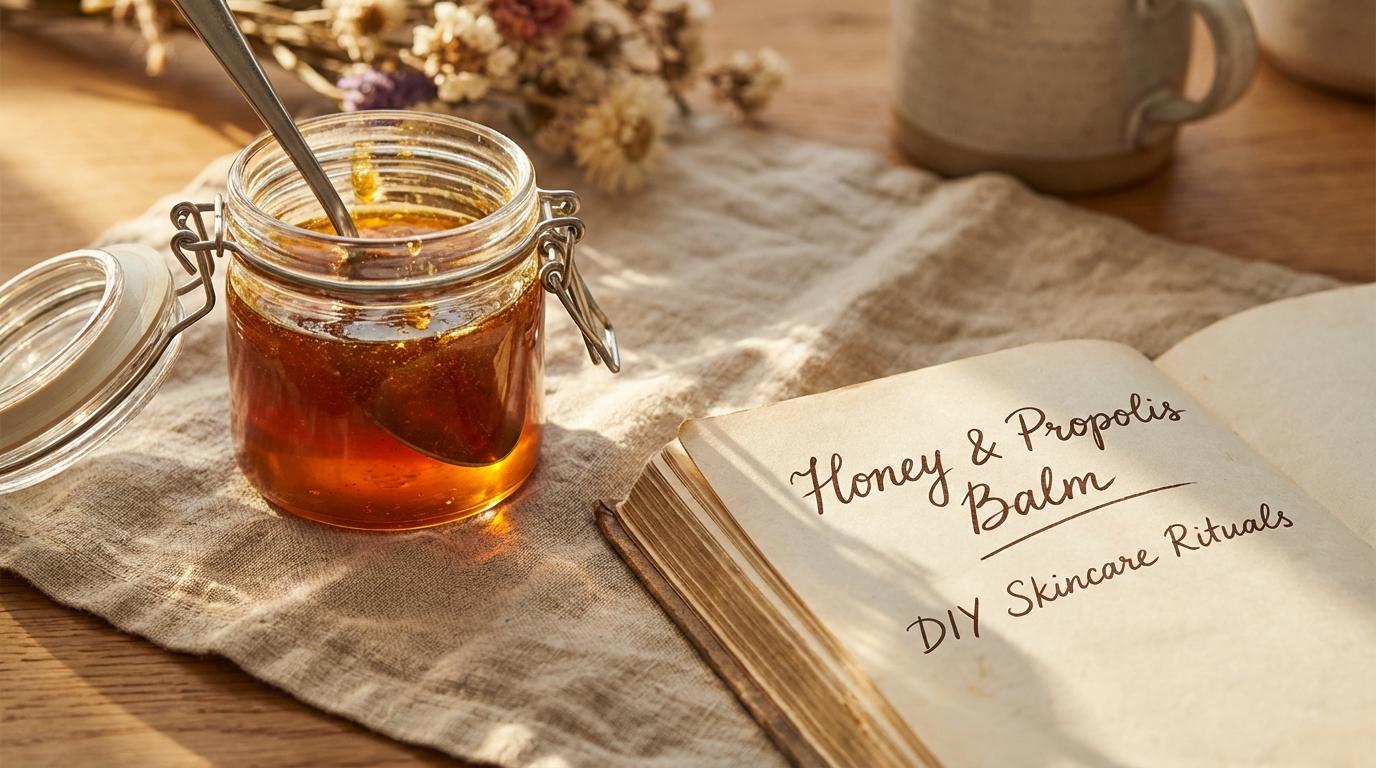
Bees create propolis by mixing tree resin with their own enzymes and beeswax, forming a sticky substance they use to seal and protect their hives from invaders. This natural antimicrobial compound has been studied for decades, and its benefits for acne-prone skin are finally getting the attention they deserve in modern skincare formulations.
If you struggle with breakouts, inflammation, or post-acne marks, propolis might be exactly what your routine is missing. Unlike its sweet cousin honey, propolis packs a more concentrated punch of antibacterial and healing compounds. And the best part? It works without the harsh side effects of many traditional acne treatments.
What Exactly Is Propolis?
Propolis, sometimes called “bee glue,” is a resinous mixture that bees collect from tree buds, sap flows, and other botanical sources. They combine this plant material with their saliva and beeswax to create a substance that serves as the hive’s defense system. Bees use propolis to coat the interior of their hive, creating a sterile environment that protects against bacteria, fungi, and even viruses.
The composition of propolis varies depending on the plants available to the bees, but it typically contains over 300 different compounds, including flavonoids, phenolic acids, and various aromatic compounds. These bioactive ingredients are what make propolis such a powerful ally for troubled skin.
Research published in the Journal of Dermatological Science found that propolis extract demonstrated significant antibacterial activity against Cutibacterium acnes (formerly known as Propionibacterium acnes), the bacteria primarily responsible for inflammatory acne. The same study noted that propolis also reduced inflammation markers in skin cells, suggesting a dual mechanism of action that addresses both the cause and symptoms of breakouts.
Why Propolis Beats Honey for Acne
Both honey and propolis come from bees, but they serve completely different purposes and have distinct compositions. Honey is primarily a food source for bees, made from flower nectar and composed mostly of sugars. While raw honey does have some antibacterial properties (mainly due to hydrogen peroxide production and low water activity), these effects are relatively mild compared to propolis.
Propolis, on the other hand, is essentially the hive’s immune system in concentrated form. The flavonoids in propolis, particularly compounds like pinocembrin, galangin, and chrysin, have been shown in laboratory studies to directly inhibit bacterial growth and biofilm formation. Biofilms are particularly relevant for acne because they allow bacteria to persist on the skin surface, contributing to recurring breakouts.
Another key difference is how each ingredient affects wound healing. While honey creates a moist environment that supports healing, propolis actively stimulates tissue regeneration. A 2019 study in the journal Biomedicine and Pharmacotherapy found that propolis accelerated wound closure by promoting collagen synthesis and epithelialization. For those dealing with acne scars or healing post-breakout, this regenerative property is significant.
The texture and application also differ considerably. Honey is sticky and difficult to incorporate into leave-on formulas without feeling tacky. Propolis extract can be formulated into lightweight serums, essences, and moisturizers that absorb quickly and layer well with other products. This practical advantage makes propolis much easier to incorporate into an existing skincare routine.
The Science Behind the Anti-Acne Benefits
Understanding why propolis works for acne requires looking at the multiple pathways through which it acts on the skin. The antibacterial effects are perhaps the most obvious, but they only tell part of the story.
Inflammation plays a central role in acne development. When C. acnes bacteria proliferate in clogged pores, the immune system responds with inflammation, leading to the redness, swelling, and pain associated with pimples. Niacinamide is well known for calming this inflammatory response, and propolis works through similar mechanisms. The caffeic acid phenethyl ester (CAPE) found in propolis has been shown to inhibit NF-kB, a key protein complex involved in inflammatory responses. By dampening this pathway, propolis helps reduce the severity and duration of inflammatory breakouts.
Sebum regulation is another area where propolis shows promise. Excess sebum production creates the oily environment where acne-causing bacteria thrive. While propolis does not dramatically reduce oil production like retinoids or certain acids do, it helps balance the skin’s lipid composition. Studies have shown that propolis can reduce lipid peroxidation, preventing the oxidative damage that turns sebum comedogenic (pore-clogging).
The antioxidant content of propolis also supports overall skin health. Free radicals from UV exposure, pollution, and metabolic processes can damage skin cells and exacerbate inflammatory conditions. The polyphenols in propolis neutralize these free radicals, providing a layer of protection that supports the skin’s natural healing processes.
Healing Acne Marks and Scars
One of the most frustrating aspects of acne is the marks and scars left behind after breakouts heal. Post-inflammatory hyperpigmentation (PIH), the dark spots that linger for weeks or months, occurs when inflammation triggers excess melanin production. Post-inflammatory erythema (PIE), the pink or red marks more common in lighter skin tones, results from damaged blood vessels beneath the skin surface.
Propolis addresses both types of post-acne marks through its regenerative and anti-inflammatory properties. By reducing inflammation during the active breakout phase, propolis can minimize the intensity of PIH and PIE that develops afterward. The wound-healing compounds in propolis also support faster cell turnover and collagen remodeling, helping marks fade more quickly.
For those dealing with acne scars versus active acne, propolis can serve as a supportive ingredient alongside more targeted treatments. While it will not fill in deep ice pick scars or dramatically resurface textured skin on its own, propolis creates an optimal healing environment that can enhance the results of other scar treatments.
Best Propolis Products Worth Trying
The propolis skincare market has expanded significantly in recent years, with Korean beauty brands leading the charge. When shopping for propolis products, concentration matters, but so does the formulation and the source of the propolis extract.
COSRX Full Fit Propolis Light Ampoule contains 83.25% black bee propolis extract and has become a cult favorite for good reason. The lightweight serum texture absorbs quickly without any stickiness, and the formula includes no fragrance or essential oils that might irritate sensitive acne-prone skin. Many users report noticeable improvements in skin texture and reduced redness within a few weeks of consistent use. At around $25 for 30ml, it represents solid value for a high-concentration treatment.
By Wishtrend Propolis Energy Calming Ampoule combines 81% propolis extract with panthenol (vitamin B5) for enhanced soothing and hydration. The formula feels slightly more moisturizing than the COSRX option, making it a good choice for those with drier or dehydrated acne-prone skin. The addition of allantoin further supports the healing process for active breakouts and fresh post-acne marks.
SKINFOOD Royal Honey Propolis Enrich Essence blends propolis with royal jelly and honey for a more nourishing formula. This essence works well for those who want the benefits of multiple bee ingredients without using separate products. The texture is slightly thicker than typical essences but still layers well under moisturizer. It is particularly well-suited for evening routines when you have time for products to fully absorb.
iUNIK Propolis Vitamin Synergy Serum takes a different approach by combining propolis (70%) with sea buckthorn extract, a vitamin C-rich ingredient that brightens and further supports healing. This combination makes it an excellent choice for those concerned with both acne and hyperpigmentation. The serum has a slightly golden hue from the sea buckthorn but applies clear on the skin.
For those on a tighter budget, Some By Mi Propolis B5 Glow Barrier Calming Serum offers a propolis-forward formula at a more accessible price point. While the propolis concentration is not as high as some premium options, the formula includes complementary ingredients like hyaluronic acid and centella asiatica that support acne-prone skin.
How to Incorporate Propolis Into Your Routine
Propolis products generally fit into the serum or essence step of your routine, applied after cleansing and toning but before heavier moisturizers or oils. Most propolis serums and ampoules are water-based and layer well with other treatment products.
If you are new to propolis, start by using your chosen product once daily, preferably in your evening routine. While propolis is generally well-tolerated, introducing any new active gradually allows you to monitor how your skin responds. After a week or two without any irritation, you can increase to twice-daily use if desired.
Propolis pairs well with most other skincare ingredients. It layers nicely with niacinamide, another inflammation-fighting ingredient popular for acne-prone skin. The combination of propolis and centella asiatica (cica) can be particularly soothing for angry, inflamed breakouts. You can also use propolis alongside exfoliating acids like salicylic acid or glycolic acid, though you may want to use them at different times of day to avoid potential irritation.
One caution: those with allergies to bee stings or bee products should patch test propolis products carefully before applying them to the face. While skincare-grade propolis is processed and purified, allergic reactions, though rare, can occur. Apply a small amount to the inner arm and wait 24 to 48 hours before proceeding with facial application.
What Results Can You Realistically Expect?
Propolis is not an overnight solution, and setting realistic expectations helps you stay consistent long enough to see actual benefits. Most users report noticing improvements in skin calmness and reduced redness within the first two to three weeks of regular use. Active breakouts may heal slightly faster, and new ones may be less inflamed.
For post-acne marks and overall skin clarity, expect to use propolis consistently for at least six to eight weeks before drawing conclusions. The regenerative effects take time to manifest visibly, as skin cell turnover and collagen remodeling happen gradually.
Propolis works best as part of a thoughtful, consistent routine rather than as a standalone solution. Pairing it with a gentle cleanser, appropriate moisturizer, and diligent sun protection creates the optimal environment for propolis to do its work. Those dealing with moderate to severe acne should consider propolis as a supportive ingredient alongside treatments prescribed by a dermatologist.
The beauty of propolis as an ingredient is its gentleness combined with genuine efficacy. Unlike harsh acne treatments that can leave skin dry, peeling, and sensitized, propolis supports healing while strengthening the skin barrier. For those who have found traditional acne treatments too aggressive, or anyone looking to add an extra layer of antibacterial and anti-inflammatory support to their routine, propolis offers a compelling, research-backed option that just happens to come from some very industrious bees.