
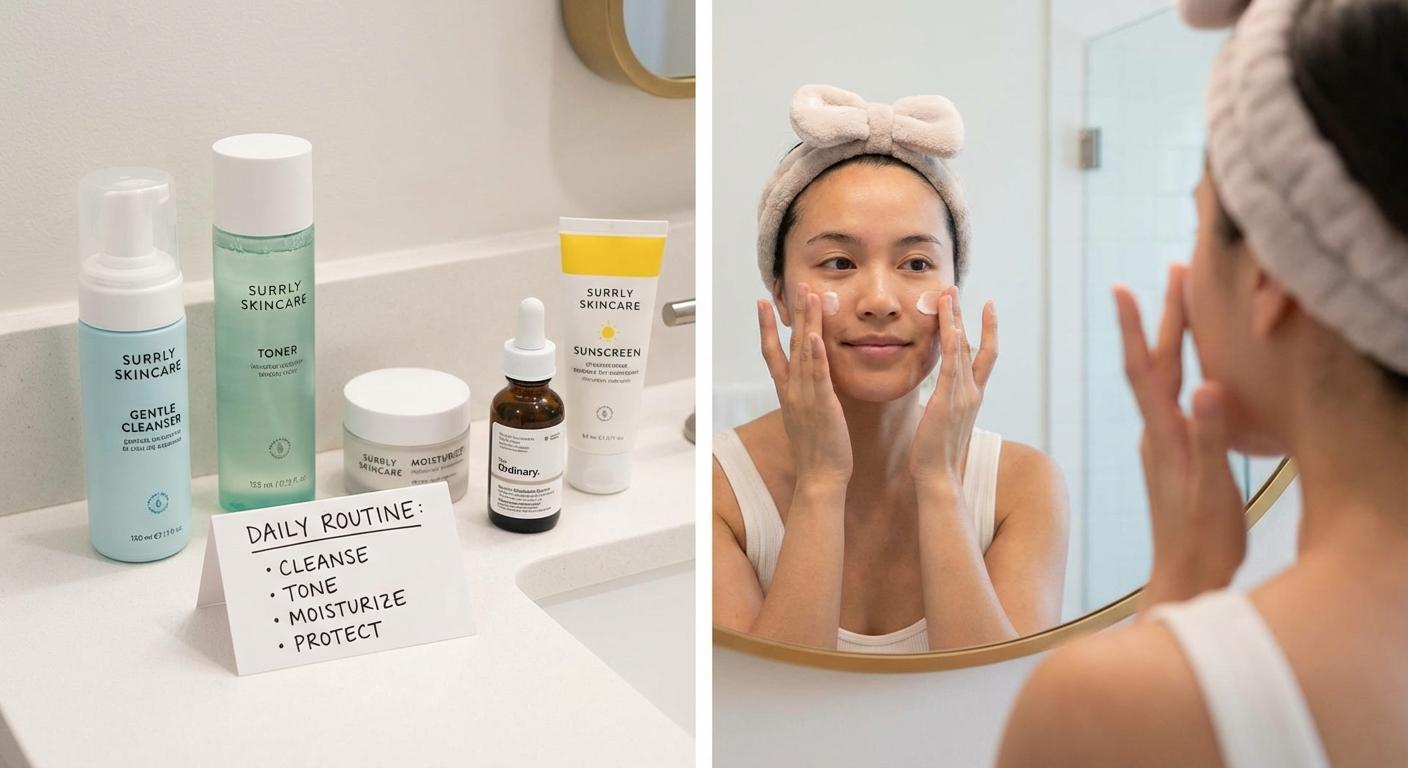
Okay, real talk. I spent way too many years slathering random products on my face like I was frosting a cake, hoping something would magically work. Spoiler alert: it didn’t. I had breakouts in places I didn’t even know could break out. My skin was simultaneously oily AND flaky, which honestly felt like a personal attack from the universe.
But then I actually sat down, did the research, and figured out what a solid face care routine looks like. And now? My skin is actually cooperating. Wild concept, I know.
So here’s everything I’ve learned about building a face care routine that actually works, minus the complicated 47-step routines that nobody has time for.
Step One: Cleansing (Yes, This Actually Matters)
I used to be that person who thought splashing water on my face counted as washing it. Don’t be me. Double cleansing changed my life, and I say that without a shred of exaggeration.
Here’s the deal: your first cleanse breaks down all the gunk. Makeup, sunscreen, the mysterious layer of city pollution that settles on your face throughout the day. I start with an oil-based cleanser or micellar water, especially on days when I’ve worn makeup. Then I follow up with a gentle foaming cleanser to actually clean my skin.
The key word here is GENTLE. I used to use cleansers that made my face feel “squeaky clean,” which I now know meant I was stripping my skin barrier like I was sanding a floor. Not cute. Look for something pH-balanced that won’t leave your skin feeling tight or dry.
Oh, and lukewarm water only, please. I learned the hard way that hot water on your face is basically asking for redness and irritation.
Exfoliation: The Thing I Was Doing Wrong For Years
Confession time: I used to exfoliate every single day because I thought more scrubbing equals smoother skin. WRONG. So very wrong. My poor face was red and angry all the time, and I couldn’t figure out why.
Here’s what actually works: chemical exfoliants, used 2-3 times a week max. I’m talking glycolic acid, salicylic acid, or lactic acid, depending on what your skin needs. Glycolic acid is amazing for dullness and fine lines. Salicylic acid is your best friend if you’re dealing with acne and oily skin. Lactic acid is gentler and great for sensitive skin.
Ditch the harsh physical scrubs with the giant walnut chunks that basically scratch your face. Your skin will thank you by not being constantly irritated.
Serums: Where The Magic Actually Happens
I avoided serums for years because they felt fancy and intimidating. Turns out, they’re where you get the most bang for your buck when it comes to addressing specific skin concerns.
If you’re new to this, start simple. A vitamin C serum in the morning helps with brightness and fights environmental damage. At night, you can use something like niacinamide to help with pores and texture.
The trick is NOT to layer seventeen different serums at once. I tried that. My face broke out in protest. Pick one or two concerns and address those. You don’t need to fix everything simultaneously.
Moisturizer: Non-Negotiable, Even If You’re Oily
I cannot stress this enough: EVERYONE needs moisturizer. I don’t care if your face is oily enough to fry an egg on. In fact, if you’re super oily, there’s a good chance your skin is actually dehydrated and overproducing oil to compensate.
For oily skin, go with something lightweight and water-based. For dry skin, you’ll want something richer with ingredients like hyaluronic acid, ceramides, or even some oils.
Apply while your skin is still slightly damp from your serum. This helps lock everything in. I learned this trick embarrassingly late in life and it made such a difference.
Sunscreen: The One Step You Cannot Skip
Look, I’m not going to lecture you, but sunscreen is the single most important anti-aging product you can use. More important than any expensive serum or cream. UV damage is responsible for something like 90% of visible skin aging. That’s not a typo.
I know, I know. Sunscreen can feel greasy or leave a white cast or just be generally annoying. But there are SO many good options now that actually feel nice. Find one you don’t hate and wear it every single day, even when it’s cloudy, even when you’re mostly indoors.
Your future self, looking at your relatively wrinkle-free face at 50, will be very grateful.
Night Routine: When The Real Work Happens
Your skin does most of its repairing while you sleep, so nighttime is when you want to bring out the big guns.
After cleansing, this is when I use my treatment products. If you’re ready to level up your routine, consider adding retinol. It’s genuinely effective for pretty much everything: acne, fine lines, texture, dark spots. Start slow though, like once a week slow. Your skin needs time to adjust, and if you go too hard too fast, you’ll end up red, peeling, and miserable.
Finish with a good night cream or a slightly heavier moisturizer than you use during the day. Some people also love facial oils at night, especially in winter when skin tends to be drier.
The Stuff People Forget
A few things that made a huge difference for me that nobody really talks about:
Change your pillowcase more often. You’re pressing your face against that thing for 8 hours. If it’s covered in old product and oil and who knows what else, you’re basically marinating in gunk. I change mine every few days now and noticed fewer random breakouts almost immediately.
Stop touching your face. I know, easier said than done. But every time you touch your face, you’re transferring bacteria and oils from your hands. I catch myself doing it constantly and have to consciously stop.
Drink water. Boring advice, I know. But hydrated skin genuinely looks better. No amount of serums will fix chronically dehydrated skin.
What you eat matters. I’m not saying you can never eat pizza again, but when I cut back on dairy and sugar, my skin cleared up noticeably. Might not be the case for everyone, but it’s worth paying attention to what triggers breakouts for you.
When To Expect Results
Here’s the thing nobody wants to hear: good skin takes time. Your skin cell turnover cycle is about 28 days, so you need to give products at least a month before deciding if they work.
I used to try something for a week, see no dramatic results, and then switch to something new. All I was doing was confusing my skin and wasting money. Pick a routine, stick with it for at least 6 weeks, and THEN evaluate.
Also, be prepared for a potential “purging” period when you start new actives like retinol or acids. Your skin might get worse before it gets better. This is different from an allergic reaction or irritation. Purging usually happens in areas where you normally break out and resolves within a few weeks. If you’re breaking out in new places or your skin is burning and super red, that’s not purging, that’s your skin telling you to stop.
Keep It Simple
Honestly, the biggest lesson I’ve learned is that you don’t need a complicated routine. A good cleanser, a treatment product for your specific concerns, moisturizer, and sunscreen. That’s genuinely it. Everything else is bonus.
All those elaborate 12-step routines you see online? Totally optional. Some people love them, and that’s fine. But if you’re just starting out or you don’t have time to layer seventeen products morning and night, a simple routine done consistently will beat a complicated routine you never actually do.
Your skin is unique. What works for someone else might not work for you. Pay attention to how your skin reacts, be patient, and don’t believe everything you see on social media. Half those people have filters on anyway.
You’ve got this. Now go wash your face.
Tasha