
Your skin literally decided to stage a rebellion the week before your period! If you’ve noticed those deep, painful pimples popping up around your chin and jawline like clockwork, you’re not imagining things (and you’re definitely not alone). PMS week is notorious for wrecking even the most consistent skincare routines, but the good news is you can actually work with your cycle instead of against it.
I used to think my skin just hated me one week a month. Turns out, it was actually trying to communicate something pretty specific. Once I started paying attention to what was happening hormonally and adjusted my routine accordingly, those monthly breakouts became way more manageable. Let me share what actually works.
What Happens to Your Skin Before Your Period
During the luteal phase (that’s the week or two before your period starts), your hormones do this whole complicated dance that directly affects your skin. Progesterone levels spike, which tells your oil glands to go into overdrive. Meanwhile, estrogen takes a nosedive, so your skin loses some of its natural hydration and healing abilities slow down.
The real troublemaker, though? Androgens like testosterone start making themselves known. These hormones increase sebum production even further and can trigger those deep, cystic breakouts that seem impossible to treat. Add rising cortisol levels from general PMS stress, and you’ve got yourself a recipe for inflammation.
This is why PMS breakouts look different from regular pimples. They tend to show up in hormonal zones (chin, jawline, sometimes cheeks) and feel more like underground mountains than surface-level spots. They’re the kind that hurt when you touch them and don’t really come to a head properly (super annoying, I know).
Timing Your Prevention Strategy
The biggest mistake I see people make is waiting until they already have PMS breakouts to change their routine. By then, it’s damage control mode. The key is starting your adjustments 5 to 7 days before your period is due.
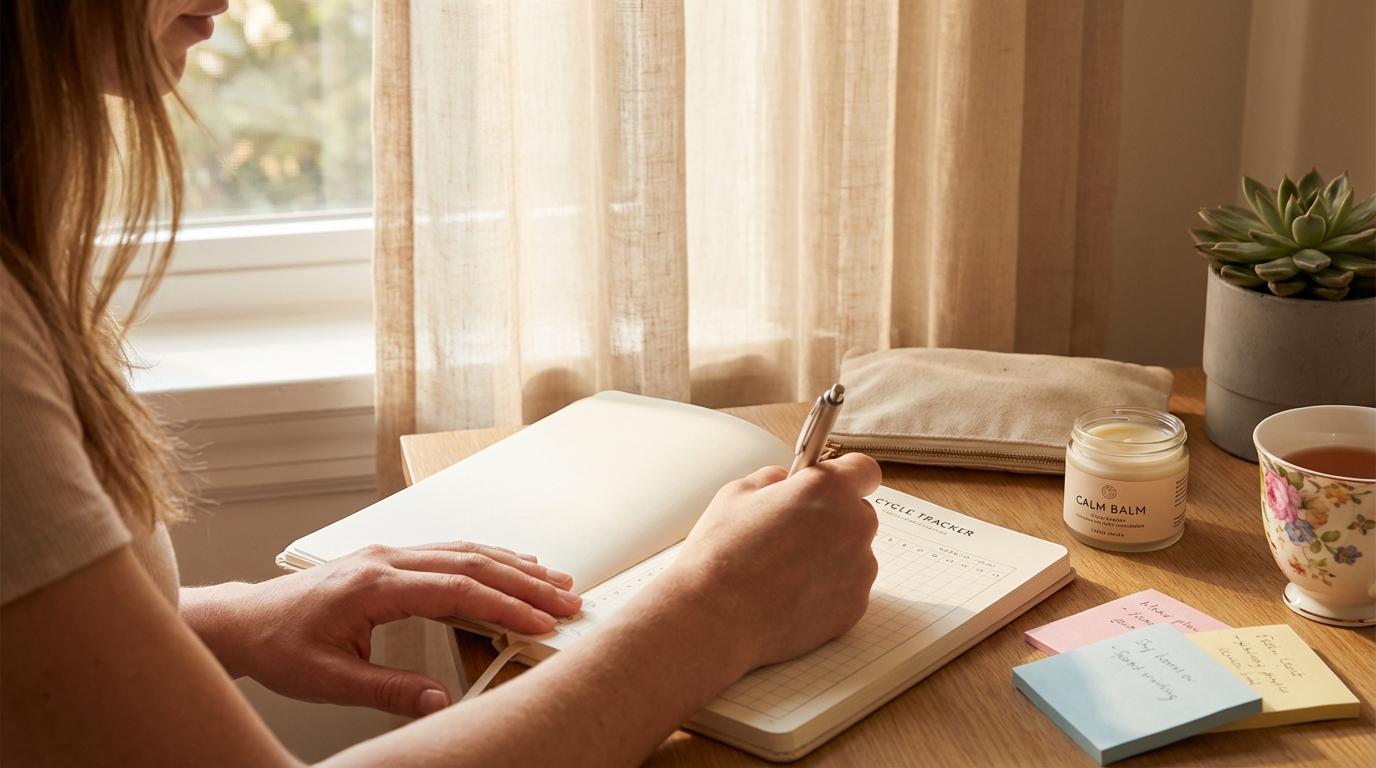
If you know your cycle is pretty regular, mark your calendar. If it’s less predictable, tracking apps like Clue or Flo can help you estimate when your luteal phase begins. According to Tatcha’s guide on cycle-syncing skincare, starting your prevention routine during this window gives your skin time to respond before breakouts even have a chance to form.
Think of it like preparing for a storm. You don’t wait until the rain is pouring to grab your umbrella. Your skin needs that same proactive approach.
Adding Acne Prevention Steps That Actually Work
During your regular cycle days, your usual routine is probably fine. But PMS week calls for some targeted additions. Here’s what to incorporate:
Bring in Salicylic Acid
Salicylic acid (also known as BHA) is oil-soluble, which means it can actually get into your pores and clean them out from the inside. Start using a salicylic acid toner or serum about a week before your period. It doesn’t need to be strong; even 0.5% to 2% concentrations work well for prevention. If you’re already dealing with stubborn blackheads, this ingredient does double duty.
Consider Azelaic Acid
This underrated ingredient fights acne-causing bacteria while also helping with post-breakout marks. It’s gentler than benzoyl peroxide, so it won’t dry out your already hormone-disrupted skin. Research published on Twentyeight Health highlights azelaic acid as particularly effective for hormonal breakouts.
Up Your Niacinamide Game
If you’re not already using niacinamide, PMS week is a great time to start. It regulates oil production, calms redness, and strengthens your skin barrier. I like layering it under moisturizer both morning and night during this phase. Check out more on whether niacinamide lives up to the hype for acne-prone skin.
Don’t Skip Moisturizer
This sounds counterintuitive when your skin is oilier, but hear me out. Your skin barrier needs support during hormonal fluctuations. Skipping moisturizer because your face feels greasy will actually trigger more oil production. Go for something lightweight and non-comedogenic, and your skin will thank you (not in that annoying marketing way, but in an actual calmer-face way).
Soothing Inflammation Naturally
Even with prevention, some inflammation might still sneak through. Here’s how to calm things down without going overboard on harsh treatments.
Ice Is Your Friend
For those deep, painful spots that won’t come to a head, wrapping an ice cube in a thin cloth and holding it against the area for a few minutes can reduce swelling and pain. Do this a few times a day if needed. It’s free, it works, and it won’t leave marks.
Hydrocolloid Patches
These have become my absolute lifesavers for PMS breakouts. Brands like COSRX and Hero Cosmetics make patches that absorb gunk from pimples while protecting them from your fingers (because we all know you want to touch them). The invisible versions work great under makeup too.
Centella Asiatica Products
This ingredient (sometimes labeled as cica or tiger grass) has serious anti-inflammatory properties. A centella serum or cream can help calm redness and support healing without irritating already-sensitive PMS skin. Hertility Health recommends gentle, barrier-supporting ingredients like this during your menstrual cycle.
Green Tea (Inside and Out)
Green tea has antioxidant and anti-inflammatory properties that help with hormonal skin issues. Drinking a cup or two daily during your luteal phase can help from the inside, while green tea extract in skincare can soothe externally. Some people find chamomile tea helps too (plus it’s calming for PMS mood swings, so win-win).
What to Avoid During PMS Week
Equally important is knowing what NOT to do when your hormones are already stirring up trouble.
Skip new product introductions. Your skin is more reactive right now, and starting something new could cause irritation that gets blamed on hormones. Wait until after your period to try that new serum you’ve been eyeing.
Go easy on actives. If you normally use retinol, vitamin C, and acids all in one routine, consider scaling back during PMS week. Your skin is already dealing with a lot. Maybe alternate nights or drop one active temporarily.
Resist the urge to extract. I know those cystic spots feel like they’re begging to be squeezed, but PMS breakouts rarely have anything to extract. You’ll just create more inflammation and probably scarring. If you absolutely must deal with a spot, make sure you know the right technique.
Don’t overwash. When your face feels oily, washing it four times a day seems logical. It’s not. Over-cleansing strips your skin and triggers rebound oil production. Stick to twice daily, max.
Tracking Your Cycle for Better Skin
The most effective thing you can do for PMS skincare is actually knowing your cycle well enough to predict it. This isn’t about obsessive tracking (unless that’s your thing), but about understanding your body’s patterns.
Start simple. Just note when your period starts each month and work backward. Most cycles are 28 to 35 days, with the luteal phase being roughly the last 14 days. Your skin usually starts acting up somewhere between day 18 and day 25.
Pay attention to other symptoms that show up before your skin changes. Do you get headaches first? Food cravings? Breast tenderness? These can serve as early warning signs that it’s time to switch up your routine. Dr. Sandra Lee’s team at SLMD Skincare emphasizes that prevention works best when you can anticipate breakouts based on your unique cycle patterns.
Keep a skin diary for a few months. Note when breakouts appear, how severe they are, and what products you were using. Patterns will emerge, and you’ll be able to customize your approach. Some people find their breakouts happen earlier in the luteal phase, some later. Your skin has its own schedule within the general hormonal timeline.
When Your Routine Isn’t Enough
Sometimes lifestyle adjustments can support your skincare efforts during PMS week. Managing stress levels directly impacts cortisol, which affects inflammation. Even ten minutes of deep breathing or a short walk can help.
Watch your sugar and dairy intake during the luteal phase if you notice they trigger breakouts for you. This varies hugely from person to person, but it’s worth paying attention to the correlation.
Sleep matters more than usual during PMS week. Your body does most of its repair work overnight, and skimping on sleep means less healing time for your skin. Aim for 7 to 8 hours if possible.
If you’ve been dealing with severe hormonal acne for months despite consistent skincare, it might be worth talking to a dermatologist. Sometimes prescription options like spironolactone or topical retinoids are needed to get things under control. There’s no shame in needing more help than a routine can provide. According to Cosmopolitan’s guide on hormonal acne, persistent breakouts that don’t respond to over-the-counter treatments are worth professional evaluation.
Your PMS Week Routine Summary
Let’s put it all together. Here’s what a modified PMS week routine might look like:
Morning:
- Gentle cleanser (same as always)
- Niacinamide serum
- Lightweight moisturizer
- Sunscreen (hormonal skin can hyperpigment more easily)
Evening:
- Oil cleanser if wearing makeup or sunscreen
- Gentle cleanser
- Salicylic acid toner or serum
- Azelaic acid treatment (on breakout-prone areas)
- Moisturizer
- Hydrocolloid patch on any active spots
Adjust based on what your skin actually needs. Some people do fine with just adding salicylic acid. Others need the full lineup. The point is having a plan instead of scrambling when breakouts appear.
Working with your cycle instead of ignoring it completely changes how you approach skincare. Those monthly breakouts don’t have to be inevitable. A little bit of tracking, some strategic product timing, and gentleness with yourself (both your skin and your mood) can make PMS week way more manageable. Your skin is just responding to your hormones, and now you have the tools to respond right back.