
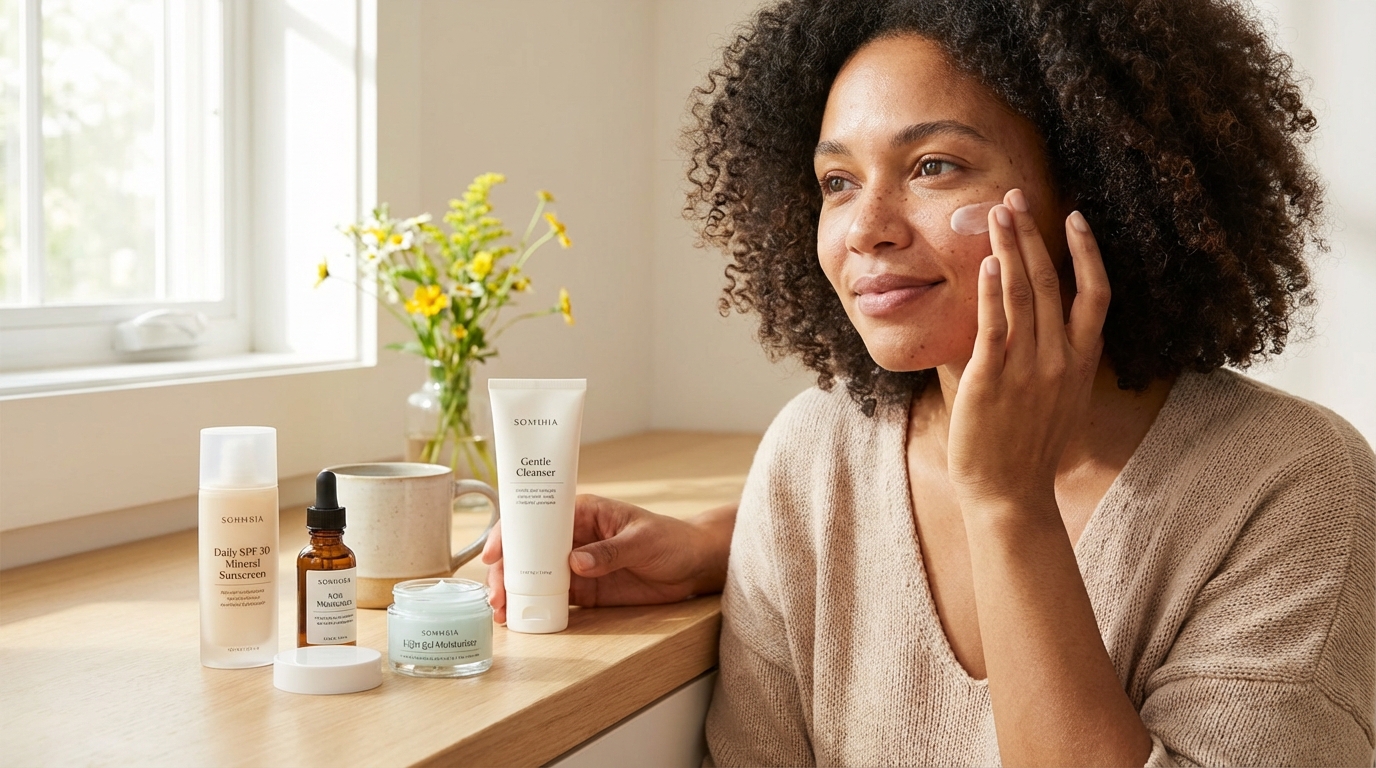
Winter is finally wrapping up, and if your skin is anything like mine, it probably feels like it just survived a battle. Heavy creams, dry indoor heat, layers upon layers of moisturizer. Now that warmer weather is coming, your routine needs an update. And the good news? You probably already own most of what you need.
Seasonal transitions are when a lot of people mess up their skincare. They either keep doing the same thing until their face becomes an oil slick, or they panic and change everything at once. Neither works. Here is what actually makes sense as the weather shifts.
Swap Heavy Creams for Lighter Textures
That thick, rich moisturizer that saved your skin in January? It is probably too much for April.
As temperatures rise and humidity increases, your skin produces more oil naturally. Layering heavy creams on top creates a recipe for clogged pores and that uncomfortable greasy feeling by noon.
You do not need to throw out your winter products. Save them for next year. But transition to lighter formulas now. Gel moisturizers, water-based hydrators, or light lotions work better when it is warm.
If you have dry skin and worry that lighter products will not be enough, try layering. A hydrating serum with hyaluronic acid under a gel moisturizer often provides plenty of moisture without the heaviness. This approach costs nothing extra if you already have the products.
Same goes for cleansers. If you were using a cream or oil cleanser in winter, you might find a gel or foam cleanser more satisfying now. Your skin can handle a bit more cleansing power when it is producing more oil.
Allergy Season and Your Skin
Spring means pollen, and pollen means trouble for a lot of us. Even if you do not have severe allergies, you might notice more redness, sensitivity, or irritation during allergy season.
Histamine reactions do not just happen in your sinuses. Your skin can react too. If you are suddenly experiencing more redness, itching, or sensitivity than usual, allergies might be the culprit.
Keep your routine simple during peak pollen season. This is not the time to introduce new actives or try that new brand everyone is talking about. Stick to what you know works. Gentle cleanser, basic moisturizer, sunscreen. That is enough.
Wash your face as soon as you come inside after being outdoors. Pollen settles on your skin and can trigger reactions if left sitting there. A quick rinse removes most of it before it causes problems.
If allergies are really hitting you hard, consider keeping your pillowcase cleaner than usual. Pollen transfers from your hair to your pillow to your face overnight. Washing your pillowcase more frequently or showering before bed helps reduce this.
Bringing Back the Actives
If you scaled back on exfoliating acids or retinoids during winter because your skin was too dry or sensitive, spring is a good time to ease back in.
Start slow. Your skin is not used to these ingredients anymore, even if you were using them regularly six months ago. Treat reintroduction like starting fresh.
For AHAs like glycolic or lactic acid, start with once or twice a week maximum. If your skin tolerates it after a couple weeks, you can gradually increase frequency.
Same with retinol. If you took a break, do not jump back into nightly use. Every other night or even every third night gives your skin time to readjust without the irritation that comes from going too hard too fast.
One thing to keep in mind: both AHAs and retinoids increase sun sensitivity. This matters more as days get longer and UV exposure increases. Which brings us to the most important point.
Sunscreen Is Non-Negotiable Now
I know, you have heard this a million times. But spring is when sunscreen becomes truly critical, not summer.
Here is why. In winter, UV levels are lower and you are spending less time outside. By the time summer hits, you have probably already developed some sun damage from spring exposure without realizing it.
UV index starts climbing in March and April in most places. The sun feels mild, but the damage is happening. The EPA UV Index reaches moderate to high levels well before summer officially starts.
If you were not wearing sunscreen daily in winter, now is the time to start. Every day. Even on cloudy days. Cloud cover blocks some UV but not nearly enough to skip protection.
Find a sunscreen you actually like using. This matters more than SPF numbers above 30. The best sunscreen is the one you will actually put on your face every morning. If you hate the texture or white cast of your current sunscreen, try a different one. There are plenty of affordable options that feel nice on skin.
Reapply if you are going to be outside for extended periods. A morning application only protects you for a few hours.
What About Products You Already Have?
You do not need to go shopping for a whole new routine. Here is how to work with what you have.
Take inventory of your current products. Separate them by texture, heavy to light. The heavy stuff can wait in your cabinet for next winter. Pull out anything lightweight for now.
Check expiration dates while you are at it. If you have products that have been sitting around for over a year, especially if they have been opened, it might be time to toss them. Sunscreen especially loses effectiveness over time.
If you genuinely need something new, consider a lightweight moisturizer with SPF for daytime. Two birds, one stone, one product. This saves money and time.
Drugstore options work fine. You do not need expensive products to protect your skin from the sun or keep it hydrated. CeraVe, Cetaphil, and Neutrogena all make solid affordable options.
The Transition Takes Time
Do not change everything overnight. Your skin likes consistency, and sudden switches often cause breakouts or irritation.
Swap one product at a time and give your skin a week or two to adjust before changing something else. If you switch your moisturizer and your cleanser and reintroduce retinol all in the same week, you will not know what caused any problems that pop up.
Pay attention to how your skin feels. If it seems oilier than usual, your products might be too heavy still. If it feels tight after cleansing, maybe you need a slightly gentler cleanser even with the warmer weather.
Spring is a transition season for a reason. Take your time with it. Your skin will figure out what it needs as long as you give it a chance to adjust.