
Have you ever woken up with a giant pimple right before something important and immediately thought about grabbing ice from the freezer? You’re not alone. The ice-on-pimple trick has been passed down through generations of desperate people who just need that angry red bump to calm down NOW. But here’s the thing: does slapping frozen water on your face actually do anything, or are we all just giving ourselves mild frostbite for no reason?
Let’s break this down, because I’ve definitely stood in my kitchen at midnight pressing a frozen pea bag to my chin (don’t judge me, we’ve all been there).
What Ice Actually Does to Your Skin
When you put something cold on your skin, a few things happen. First, your blood vessels constrict. This is your body’s natural response to cold, trying to preserve heat. When those blood vessels get smaller, less blood flows to the area, which means less inflammation reaches the surface. According to the American Academy of Dermatology, cold therapy can help reduce redness and swelling temporarily.
The keyword there? Temporarily. Ice is basically a band-aid solution (and not even the cute character ones, just the plain beige kind that barely sticks).
Here’s what’s happening under the surface when you ice a pimple:
- Blood vessel constriction reduces immediate redness
- Numbing effect makes the area feel less tender and painful
- Reduced swelling because inflammation signals slow down temporarily
- Decreased oil production in that specific spot (very temporarily)
Sounds pretty good, right? Well, hold that ice cube for a second.
The Big Problem: Ice Doesn’t Fix Anything
Here’s where I need to be real with you. Ice doesn’t treat the actual pimple. At all. That clogged pore? Still clogged. That bacteria having a party in your sebaceous gland? Still partying. The excess sebum production? Yep, still happening.
Think of it like putting a cold compress on a broken arm. Sure, it might feel better for a minute, but your arm is still broken. A pimple forms because of a combination of factors: dead skin cells clogging the pore, excess oil, bacteria (specifically Cutibacterium acnes), and your body’s inflammatory response to all of that. Ice addresses exactly zero of these root causes.
Research published in the Journal of Clinical and Aesthetic Dermatology shows that effective acne treatment needs to target the actual mechanism of acne formation. Cold therapy isn’t on that list.
What ice does is temporarily mask the symptoms. Once your skin warms back up (which takes like, 20 minutes tops), all that redness and swelling? Coming right back. It’s like how drinking water won’t magically clear your acne either. Some things that sound logical just don’t work the way we want them to.
When Icing Is Actually Worth It
Okay, so I’m not here to completely trash the ice method. There are genuinely times when it makes sense:
Before a Big Event
Got a date, interview, or wedding in two hours and a pimple that looks like it’s trying to become sentient? Ice can temporarily reduce the appearance enough to make concealer work better. This is damage control, not treatment, and that’s okay sometimes.
After Popping (If You Absolutely Had To)
Look, I know you’re not supposed to pop pimples. You know you’re not supposed to pop pimples. But sometimes you do it anyway (if you’re going to, at least do it the right way to minimize damage). After you’ve committed the crime, ice can help reduce the resulting swelling and redness. It’s like first aid for your poor attacked pore.
When It’s a Cystic Monster
Cystic acne is deep, painful, and inflammatory. Those under-the-skin bumps that hurt to touch? Ice can actually provide some relief here. It won’t make the cyst go away, but it can reduce the inflammation enough to make it less painful while you wait for it to resolve (or while you wait for your dermatologist appointment, which is honestly what you should do for cystic acne).
Post-Extraction Irritation
If you’ve had a professional extraction or used a comedone extractor (carefully!), ice helps with the aftermath. The trauma to your skin causes swelling, and cold therapy genuinely helps with trauma-related inflammation.
How to Ice a Pimple Without Hurting Yourself
If you’re going to do this, at least do it right. Because yes, you can actually damage your skin with ice if you’re not careful. Frostbite on your face is not the vibe.
The Proper Technique
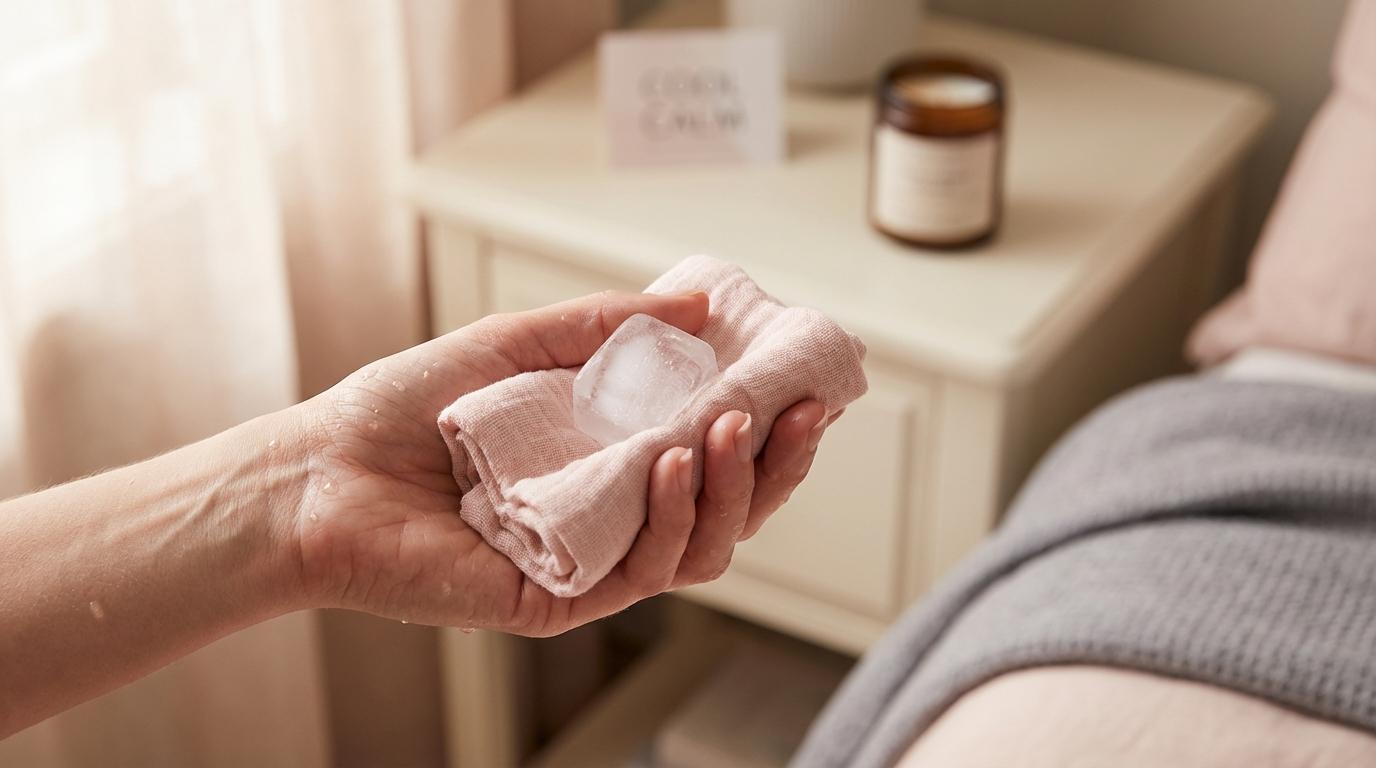
- Never apply ice directly to skin. I cannot stress this enough. Wrap that ice cube in a thin cloth, paper towel, or use a proper cold pack. Direct ice-to-skin contact can cause ice burns, which are real and painful and will leave marks.
- Keep it moving. Don’t just press the ice in one spot and hold it there. Gently move it around the affected area in small circles.
- Limit your time. 1-2 minutes maximum per session. Then let your skin warm up completely (at least 5-10 minutes) before going again if needed.
- Watch for warning signs. If your skin turns white or feels completely numb, stop immediately. That’s the beginning of cold damage.
- Be gentle. You’re already dealing with inflamed skin. Pressing hard won’t make it work better.
What to Use
You have options here (and no, the frozen pea bag isn’t the best one, even though I’ve been there):
- Ice cube in a washcloth: Classic, effective, you probably have everything you need right now
- Cold spoon: Keep a spoon in the freezer. The curved surface is actually nice for under-eye puffiness too
- Gel cold pack: These don’t get as cold as ice, which honestly makes them safer. The kind you use for injuries works fine
- Cold roller: Those trendy jade rollers or ice rollers? They work. Keep them in the fridge for bonus points
What Actually Works Better Than Ice
Since we’ve established that ice is basically a temporary illusion, let’s talk about what actually helps with pimples:
Spot Treatments with Actual Active Ingredients
Benzoyl peroxide kills acne bacteria. Salicylic acid unclogs pores. These ingredients actually address why the pimple exists in the first place. A 2.5% benzoyl peroxide is just as effective as higher concentrations with less irritation.
Niacinamide
This ingredient reduces inflammation AND helps with the underlying oil production issue. It’s one of those ingredients that actually lives up to the hype, and niacinamide for acne is worth looking into if you haven’t already.
Pimple Patches
Hydrocolloid patches actually pull gunk out of pimples while protecting them from bacteria and your own picking fingers. They’re not just stickers. They’re doing real work. Plus they stop you from touching the pimple constantly (we all do it).
Warm Compress (Yes, the Opposite)
For pimples that are almost ready to surface, a warm compress can actually help bring them to a head faster. This is especially useful for those deep ones that feel like they’re camping out indefinitely. Heat increases blood flow and can help the pimple resolve naturally.
Treating Redness Long-Term
If redness is your main concern, there are better approaches than ice that actually work over time. Check out how to approach calming redness with a gentle skincare routine for strategies that don’t involve freezing your face.
The Verdict on Ice for Pimples
Is ice on pimples completely useless? No. Does it actually treat your acne? Also no. It’s a temporary cosmetic fix that can make a pimple look less angry for a short period. That’s it. That’s the whole truth.
Use ice when you need quick, temporary relief from swelling or redness. Don’t use it expecting your acne to actually get better because of it. And definitely don’t use it as a replacement for actual acne treatment with ingredients that work.
If you’re dealing with regular breakouts, the answer isn’t in your freezer. It’s in consistent skincare with proper active ingredients, and maybe a visit to a dermatologist if things aren’t improving. But if you just need your face to look slightly less angry for the next two hours? Sure, grab the ice. I won’t judge. I literally iced a pimple with frozen edamame last week.
The key is knowing what you’re working with. Ice is a temporary band-aid, not a cure. Use it strategically, use it safely, and don’t expect miracles. Your skin deserves actual solutions, even if the frozen peas feel really satisfying in the moment.