
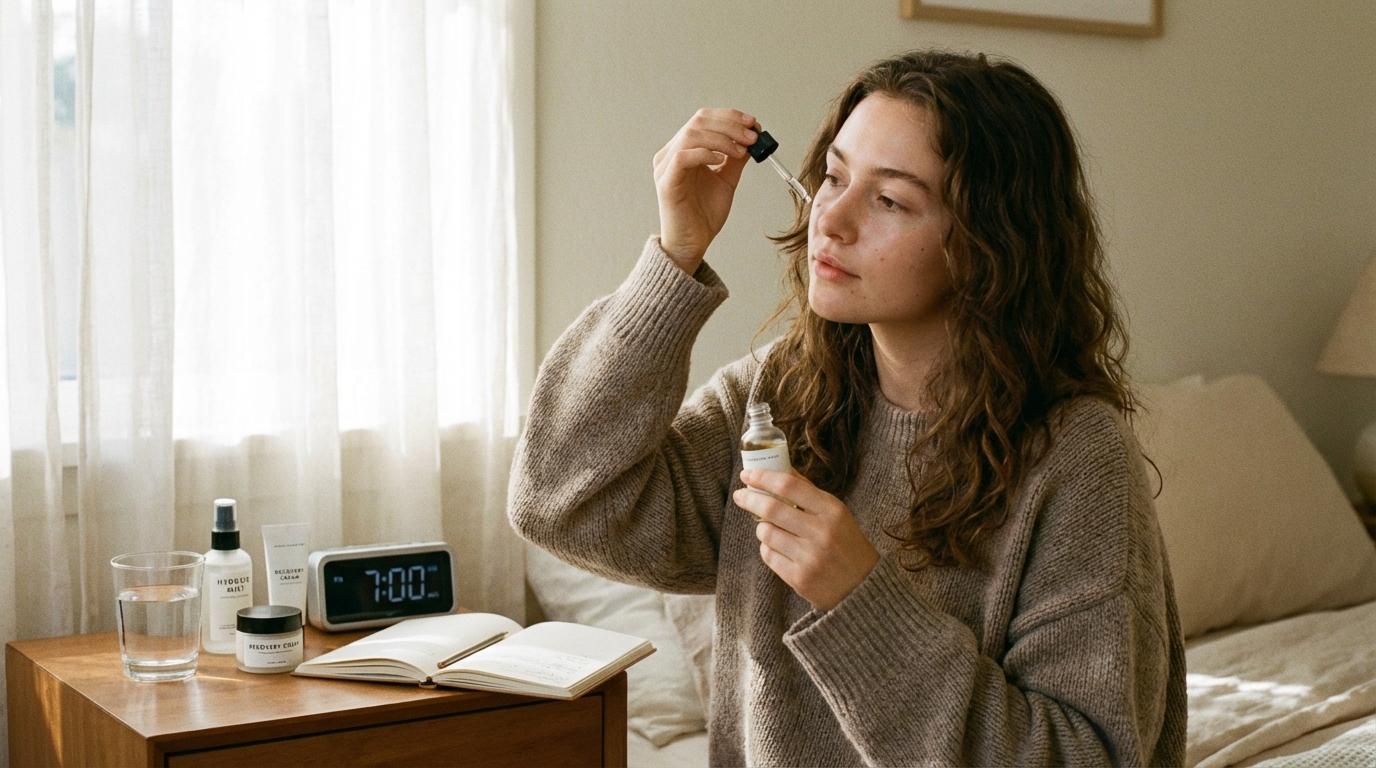
So you just landed after crossing multiple time zones, your body thinks it’s 3am, and your skin looks like it went through the flight without you. That puffy, dull, slightly grey complexion staring back at you in the hotel bathroom mirror? Totally normal. Frustrating, but normal. The good news is that your skin can bounce back faster than your sleep schedule, if you know what to do.
I’ve done my fair share of long-haul flights (including one memorable 14-hour journey where I emerged looking like I’d aged five years), and I’ve figured out a recovery routine that actually works. No, it’s not complicated. Yes, you can do it even when you’re exhausted and just want to collapse into bed.
Why Your Skin Freaks Out After Flying
Here’s what’s actually happening: airplane cabins have humidity levels below 20%, which is drier than most deserts. Your skin is literally getting moisture sucked out of it for hours. But the dehydration is just part of the problem.
Your skin has its own internal clock, a circadian rhythm that tells it when to repair, when to produce collagen, and when to focus on defense against environmental stressors. During the day, your skin is in protection mode. At night, it switches to repair mode, ramping up cell turnover and restoring moisture. When you cross time zones, that whole system gets confused.
According to research published in the Journal of Investigative Dermatology, skin cells have active circadian clocks that respond to the 24-hour cycle. Jet lag disrupts these clocks, meaning your skin might be trying to repair itself at noon or defend itself at midnight. Neither scenario is ideal.
The result? Dullness, dehydration, increased sensitivity, and that lovely puffy look that makes everyone ask if you’re “feeling okay” (thanks, I know I look tired).
Day One: The Immediate Recovery
When you land, your skin is covered in a layer of recycled airplane air particles, dried sweat, and whatever skincare you applied 12 hours ago. First priority: get that off your face.
Start with a proper cleanse. Not a micellar water swipe, not a face wipe. An actual cleanser that removes buildup without stripping your already compromised moisture barrier. If you’re acne-prone, this step is especially important because all those airborne microbes have been settling on your skin for hours.
Skip harsh exfoliation on day one. I know your skin feels rough and looks dull, and scrubbing it seems logical. But your moisture barrier is already weakened from the flight. Aggressive exfoliation will just make things worse. Save it for day two or three when your skin has had a chance to stabilize.
Layer your hydration. This is where you go a bit heavier than usual. Start with a hydrating serum (hyaluronic acid is your friend here), apply it to damp skin, then follow with a richer moisturizer than you’d normally use. If you have a facial oil, add a few drops on top. The goal is to trap as much moisture as possible.
A sheet mask or hydrating gel mask can be helpful if you have the energy, but honestly, if you’re exhausted, the serum and moisturizer combo will do the job.
Resetting Your Skin’s Internal Clock
This is the part most people skip, but it makes a real difference in how quickly your skin recovers.
Your skin takes cues from light exposure, just like the rest of your body. Dermatologist Dr. Michelle Jeffries explains that getting natural daylight early in your destination’s morning helps reset your circadian rhythm, including your skin’s. Even 15 minutes of morning light exposure can help your body (and skin) adjust faster.
What does this mean practically? If you land in the morning, resist the urge to immediately nap in a dark hotel room. Get outside, even just for a walk to grab coffee. Your skin’s repair processes will sync up with your new time zone faster.
If you land at night, do the opposite: keep lights dim, avoid bright screens before bed, and let your body start producing melatonin naturally. This helps your skin shift into repair mode at the right time.
The Hydration Recovery Protocol
For the first few days after a long flight, hydration needs to be your obsession. Not just on your face, but everywhere.
Drink more water than feels necessary. Airplane dehydration affects your whole body, and your skin won’t plump back up if you’re internally dehydrated. Add electrolytes if you have them.
Take lukewarm showers, not hot ones. I know a hot shower sounds amazing after being crammed in an airplane seat, but hot water strips your skin’s natural oils, which are already depleted. Keep it lukewarm and short (under 10 minutes), then apply body lotion while your skin is still slightly damp.
Use a heavier night cream. For the first few nights post-travel, switch to a richer night cream or sleeping mask. Your skin does most of its repair work overnight, so give it extra resources. Look for ingredients like ceramides, squalane, or shea butter.
Don’t forget your lips and hands. These areas take a beating during flights and often get neglected in recovery routines. Keep lip balm and hand cream within reach.
Day Two and Three: Gentle Revival
By day two, your skin should be feeling less tight and parched. Now you can start addressing the dullness.
A gentle chemical exfoliant (think lactic acid or PHA rather than glycolic) can help remove the dead skin cells that accumulated during travel. Don’t overdo it. One application is enough. Your goal is to encourage cell turnover, not irritate your recovering skin.
If you’re dealing with post-flight breakouts (common because of the stress, disrupted sleep, and bacterial exposure), a lightweight treatment with salicylic acid can help. Apply it only to affected areas, not your whole face.
Continue with your heavy-duty hydration routine. Even if your skin type is normally oily, oily skin still needs proper hydration after the dehydrating effects of air travel. Most people need about three to four days of extra hydration before their skin fully bounces back.
What About SPF?
Yes, you still need sunscreen, even while recovering. Your skin is in a more vulnerable state post-travel, and UV exposure will only prolong the dullness and dehydration. If you’re traveling somewhere sunny (or even just going outside), SPF is non-negotiable.
Choose a hydrating sunscreen formula rather than a mattifying one. Your skin doesn’t need any additional moisture pulled out of it right now. Pai Skincare recommends staying consistent with hydration and SPF even while your schedule is all over the place.
Foods That Help (And Hurt)
What you eat in the days after landing matters more than you might think. The London Dermatology Centre suggests eating meals rich in water, vitamins, and antioxidants to rehydrate from the inside out. Think salads, fresh fruit, vegetables, and lean proteins.
What you should avoid: heavy, salty, or overly processed foods. They contribute to puffiness and can slow down your skin’s recovery. I’m not saying you can’t eat anything fun, but maybe save the super salty takeout for after your skin has bounced back.
Alcohol is also worth limiting for the first couple of days. It’s dehydrating, disrupts sleep quality, and won’t do your skin any favors while it’s trying to recover.
Getting Back to Your Normal Routine
Most people find their skin returns to baseline within four to seven days, depending on how long the flight was and how many time zones they crossed. You’ll know you’re ready to return to your regular routine when:
- Your skin no longer feels tight or unusually dry
- The dullness has lifted and your normal skin tone is back
- Any post-travel breakouts have calmed down
- You’re sleeping on a regular schedule again
When you do return to your normal products, ease back in. Don’t immediately restart all your actives at once. Add them back one at a time over a few days to make sure your skin can handle them after the recovery period.
A Note on Frequent Flyers
If you travel often for work or life, your skin never really gets a chance to fully recover between trips. In that case, consider permanently adjusting your routine to be more hydration-focused. Some dermatologists recommend using a sleeping mask or overnight treatment regularly, not just post-flight, to maintain your moisture barrier.
You might also benefit from keeping a travel-specific skincare kit that’s gentler than your everyday products. When you’re constantly stressing your skin, it needs consistent TLC to stay balanced.
Your Recovery Timeline
Here’s roughly what to expect:
Day 1: Focus entirely on hydration and cleansing. Skip actives. Sleep as much as you can.
Days 2-3: Gentle exfoliation, continued heavy hydration, start addressing any breakouts.
Days 4-5: Skin should be noticeably better. Continue extra hydration but can start lightening up.
Days 6-7: Most people are back to normal. Resume regular routine gradually.
Your skin is resilient. It’s evolved to handle stress and recover from it. Jet lag just requires a little extra patience and a lot of extra moisture. Give your skin what it needs, sync up with your new time zone, and you’ll look like yourself again before your body fully adjusts to local time.