
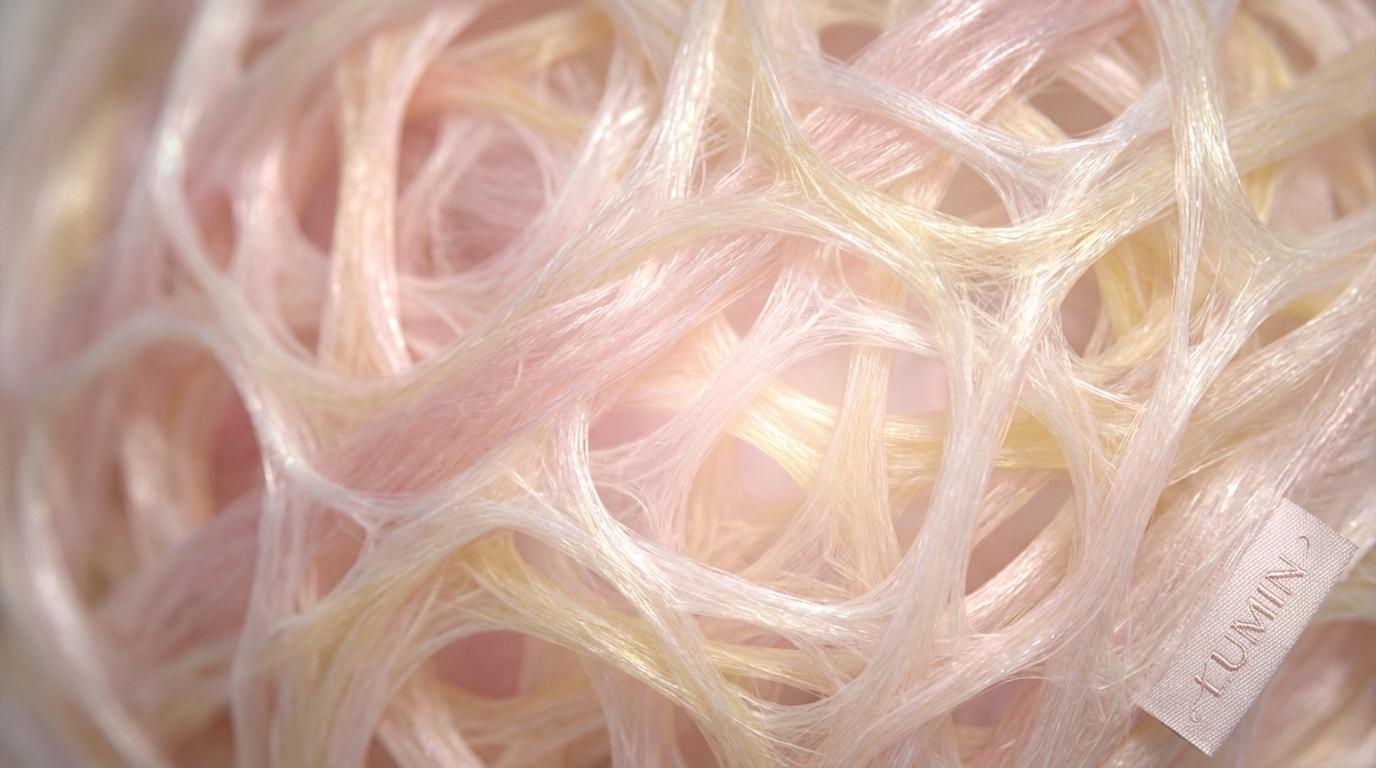
Tight junctions are the microscopic handshakes between your skin cells, and they might just be the most important connections you’ve never heard of. These tiny protein structures form the seals between cells in your epidermis, creating a continuous barrier that determines how well your skin protects you from the outside world.
What Are Tight Junctions, Exactly?
Imagine your skin cells as bricks in a wall. Tight junctions are like the mortar that holds everything together, but they’re far more sophisticated than simple filler. These protein complexes form rings around the upper portions of skin cells in your epidermis, creating selective barriers that control what can and cannot pass between cells.
The proteins that make up tight junctions have names like claudins, occludin, and zonula occludens. While these scientific terms might sound intimidating, what matters is understanding their function: they create selective permeability. This means your skin can retain essential moisture while still allowing certain substances to pass through when needed.
Research published in the Journal of Investigative Dermatology has shown that tight junctions aren’t just passive seals. They actively communicate with each other and respond to environmental signals, constantly adjusting to maintain optimal barrier function.
The Barrier Function at a Cellular Level
Your skin barrier is something you’ve probably heard about in skincare discussions, but tight junctions are where the real action happens at the microscopic level. While ceramides and lipids get most of the attention (and they’re certainly important), tight junctions form the first line of defense in preventing water loss and keeping irritants out.
When tight junctions are functioning properly, they create what scientists call a paracellular barrier. This prevents water from escaping between cells and blocks allergens, bacteria, and other potential irritants from sneaking through the gaps. Think of it like weatherstripping around a window: when it’s intact, your home stays comfortable and protected.
The epidermis contains multiple layers of cells, and tight junctions are particularly concentrated in the stratum granulosum, the layer just below your visible skin surface. This strategic positioning allows them to act as the final checkpoint before substances reach your bloodstream or before internal moisture escapes to the environment.
What Disrupts These Cellular Connections?
Understanding what weakens tight junctions can help you protect them. Several common factors can compromise these delicate protein structures:
Harsh Cleansing
Aggressive surfactants in cleansers can strip away the lipids that support tight junction function. When you feel that “squeaky clean” sensation after washing, you may have temporarily disrupted these cellular connections. Gentle, pH-balanced cleansers are much kinder to your skin’s architecture.
UV Radiation
Sun exposure doesn’t just cause visible damage like sunburn and pigmentation. UV radiation can directly damage tight junction proteins, weakening the bonds between cells. This is yet another reason why daily sun protection matters for overall skin health.
Chronic Inflammation
When skin is persistently inflamed, whether from conditions like eczema or from using irritating products, the inflammatory signals can disrupt tight junction assembly. Stress and inflammation create a cycle that can progressively weaken your skin’s cellular integrity.
Environmental Stressors
Pollution, extreme temperatures, and low humidity all take their toll on tight junctions. Winter weather is particularly challenging because cold, dry air combined with indoor heating creates conditions that can weaken these cellular bonds. If you’ve noticed your skin feeling more sensitive or reactive during certain seasons, compromised tight junctions may be partly responsible.
Certain Skincare Ingredients
While most well-formulated products support skin health, some ingredients can temporarily disrupt tight junctions. High concentrations of certain acids or retinoids, especially when introduced too quickly, may affect tight junction proteins. This doesn’t mean you should avoid these ingredients entirely, but it does explain why gradual introduction and proper formulation matter.
Supporting Cellular Cohesion
The good news is that tight junctions are resilient and can recover when given proper support. A gentle, consistent routine focused on barrier health creates the conditions these cellular structures need to function optimally.
Choose Gentle Formulations
Products with a pH close to your skin’s natural acidity (around 5.5) are less likely to disrupt tight junctions. Look for cleansers that leave your skin feeling comfortable, not stripped. If a product causes any stinging or tightness, that’s a sign it may be affecting your skin’s cellular connections.
Embrace Barrier-Supporting Ingredients
Ceramides deserve their reputation because they work alongside tight junctions to maintain barrier integrity. Niacinamide has been shown to support tight junction function, which partly explains why it’s so effective for sensitive and reactive skin. Fatty acids and cholesterol also play supporting roles in maintaining cellular cohesion.
Protect Against UV Damage
Daily sunscreen isn’t just about preventing wrinkles or dark spots. By shielding your skin from UV radiation, you’re protecting the tight junction proteins that keep your cells connected. This is invisible but essential protection happening at the cellular level.
Manage Inflammation Gently
If you’re dealing with redness or sensitivity, addressing inflammation can help restore tight junction function. Soothing ingredients like centella asiatica, allantoin, and oat extracts can calm inflammatory signals without causing additional disruption.
Give Your Skin Rest
Sometimes the best thing you can do for tight junctions is simplify. Overloading your skin with too many active ingredients or constantly switching products doesn’t give these cellular structures time to maintain themselves. A streamlined routine with consistent, gentle products supports natural repair processes.
The Connection to Common Skin Concerns
When tight junctions aren’t functioning well, you might notice several signs:
- Increased sensitivity: With weaker cellular seals, irritants can penetrate more easily, making skin reactive to products it previously tolerated
- Persistent dryness: Water escapes more readily when tight junctions are compromised, leading to dehydration that moisturizers alone can’t fully address
- Slower healing: The communication between cells that tight junctions facilitate is important for repair processes
- Texture changes: Overall skin texture can suffer when cellular cohesion is disrupted
If these issues sound familiar, shifting your focus to barrier support rather than targeted treatments might yield better results. Sometimes what looks like a specific skin concern is actually a sign of compromised cellular architecture that needs gentle, foundational care.
A Gentle Approach Works Best
The research on tight junctions reinforces what many of us have learned through experience: aggressive skincare rarely leads to better skin. These delicate protein structures thrive when treated with respect. Gentle cleansing, thoughtful product selection, consistent sun protection, and allowing time for skin to adapt to new products all support healthy tight junction function.
You don’t need to obsess over tight junctions or add them to your list of skincare worries. Simply understanding that your skin cells work together through these sophisticated connections can shift your perspective. When you choose gentle products and give your skin the conditions it needs to maintain itself, you’re supporting an intricate system that knows how to protect you.
Your skin cells are constantly working to hold hands and keep you safe. A little kindness goes a long way in helping them do their job well.