
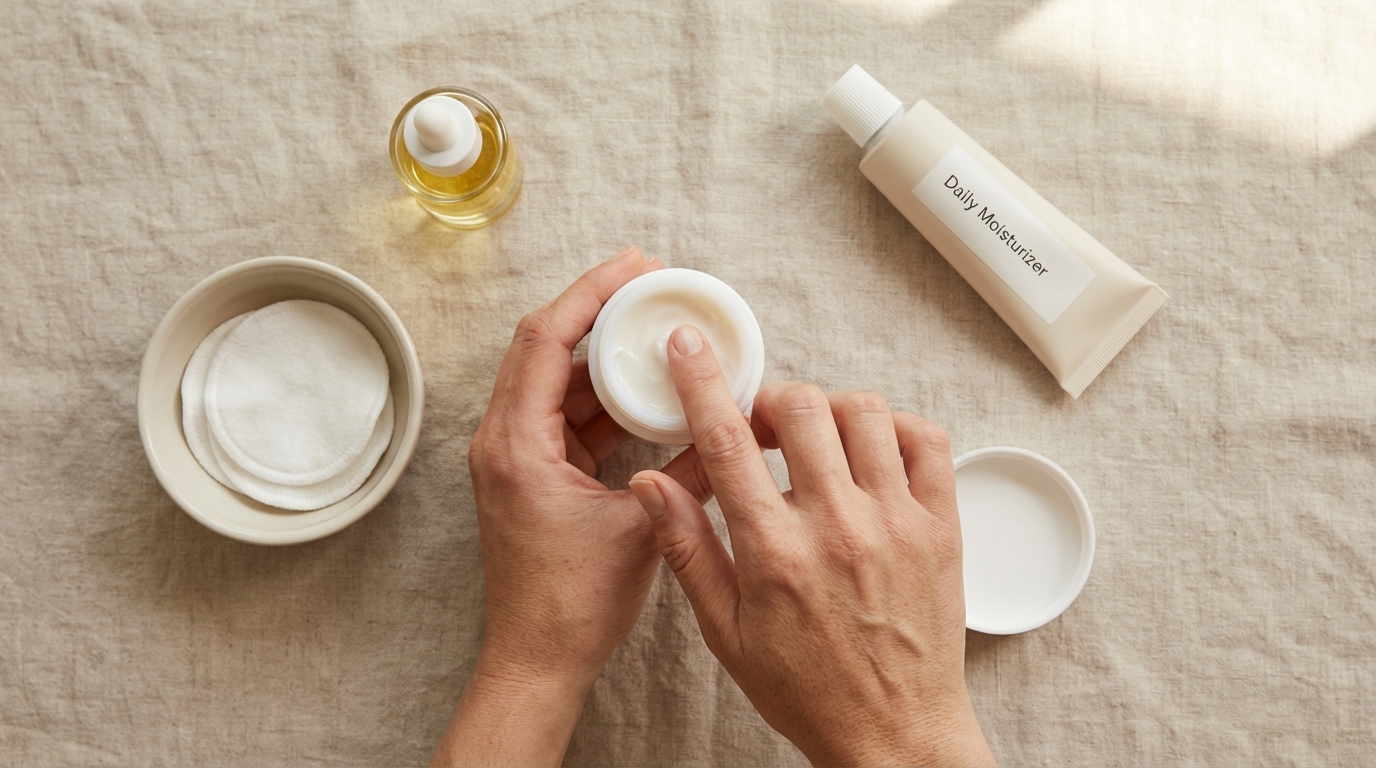
I’m going to say something that might make skincare brands unhappy: you probably don’t need a separate eye cream. I spent years thinking I was doing something wrong by not having a tiny, overpriced jar designated specifically for my under-eyes. Turns out, I was just falling for really good marketing.
Here’s the thing. Your eye area is skin. Yes, it’s thinner and more delicate than the rest of your face, but it’s still skin. And that means most of the products you’re already using can do the job just fine. Let me break this down for you.
What Makes Eye Creams “Special” (Spoiler: Not Much)
Eye creams are typically formulated with the same ingredients as regular moisturizers. The main differences? They’re usually lighter in texture, fragrance-free, and tested for use around the eyes. That’s it. When you look at the ingredient list of an expensive eye cream versus a gentle facial moisturizer, you’ll often find the same hydrating heroes: hyaluronic acid, ceramides, peptides, and niacinamide.
The skincare industry knows the eye area is a concern for most people. Fine lines, dark circles, puffiness. These concerns make us willing to spend $50 or more on half an ounce of product. But the truth is that many of these issues need consistency and the right ingredients, not necessarily a separate product category.
When Your Regular Products Work Just Fine
Your existing moisturizer can absolutely pull double duty on your eye area if it meets a few criteria. First, it should be fragrance-free. The eye area is sensitive, and fragrances can cause irritation, redness, and even contact dermatitis over time. Second, it should be gentle. Avoid moisturizers with high concentrations of active ingredients like glycolic acid or retinol if you’re using them near your eyes.
A basic ceramide-based moisturizer? Perfect. A hyaluronic acid serum? Great. A simple squalane oil? Absolutely works. I’ve been using my regular moisturizer around my eyes for two years now, and I’ve seen zero difference compared to when I was spending extra on eye creams.
The same goes for serums. A gentle vitamin C serum can work around your eyes for brightening. A niacinamide serum can help with fine lines and dark circles. You don’t need eye-specific versions of these products unless your regular ones contain irritating ingredients.
Application Technique Matters More Than the Product
Here’s where I need to get a bit serious. The way you apply products to your eye area makes a bigger difference than which product you’re using. The skin around your eyes is thin, and it doesn’t have the same structural support as the rest of your face. Being rough with it causes damage over time.
Always use your ring finger for eye area application. It’s your weakest finger, which means you naturally apply less pressure. Pat the product gently instead of rubbing or dragging. Start from the inner corner and move outward in a gentle tapping motion. This prevents tugging at the delicate skin.
Never pull or stretch the skin when applying makeup either. This is especially important for eyeliner and when removing eye makeup. Use a proper makeup remover and let it sit on a cotton pad for a few seconds before gently wiping away. Rubbing your eyes in general is one of the worst things you can do for the area.
When You Actually Need an Eye Cream
Okay, so I’m not saying eye creams are completely useless. There are specific situations where having a dedicated eye product makes sense.
If you use tretinoin or prescription retinoids on your face, you probably want a separate, gentle moisturizer for your eye area. These products can migrate and cause irritation around the eyes. Having a buffer product specifically for that area helps.
If you have very specific under-eye concerns like significant puffiness or severe dark circles, some eye creams contain targeted ingredients like caffeine for puffiness or vitamin K for circulation. These specific formulations might be worth trying.
If your regular moisturizer contains any potential irritants (fragrance, essential oils, AHAs, high-strength retinol), then yes, get something gentler for your eye area. But the solution here could also just be switching to a gentler moisturizer overall.
The Budget-Friendly Eye Area Routine
Let me share what actually works without requiring a separate eye cream purchase.
In the morning, apply your regular hydrating serum to your entire face, including the eye area. Follow with your moisturizer, patted gently around the eyes with your ring finger. Finish with sunscreen, making sure to get close to your under-eye area without getting product in your eyes.
At night, remove eye makeup gently with an oil-based cleanser or micellar water. Apply your evening serum (skip the eye area if it’s a strong active like retinol or vitamin C at high concentrations). Use your moisturizer around the eyes. If you want extra hydration, a thin layer of plain petroleum jelly over your moisturizer works wonders for the eye area overnight.
Common Eye Area Concerns and What Actually Helps
Dark Circles
Most dark circles are genetic, caused by thin skin that shows underlying blood vessels. No eye cream will fundamentally change your genetics. What helps? Getting enough sleep, staying hydrated, and using products with vitamin C or niacinamide to brighten the area over time. A color-correcting concealer is honestly more effective than any eye cream for immediate results.
Fine Lines
Fine lines around the eyes are normal and happen to everyone. Hydration plumps them up temporarily. Sunscreen prevents them from getting worse. Retinol can help long-term, but you need to be careful with it around the eyes. Start with a very low percentage and don’t apply it directly to the under-eye area.
Puffiness
Puffiness is often related to fluid retention, allergies, or lifestyle factors. Cold compresses work better than most eye creams for immediate de-puffing. Cut down on salt, sleep with your head slightly elevated, and check if seasonal allergies might be contributing. Caffeine in eye products can help temporarily by constricting blood vessels, but it’s not a permanent solution.
Products to Avoid Near Your Eyes
Some products should never go near your eye area, regardless of whether they’re labeled as “eye cream” or not.
Avoid anything with fragrance, essential oils, high-concentration AHAs or BHAs, denatured alcohol high up in the ingredient list, and strong retinoids unless specifically formulated for the eye area. Also skip physical exfoliants. The skin around your eyes does not need scrubbing.
Save Your Money for What Matters
Here’s my honest advice. Take the money you would spend on an expensive eye cream and put it toward a good facial sunscreen instead. Sun protection does more for preventing eye area aging than any cream ever will. Or invest in a quality moisturizer that works for your whole face, eyes included.
The skincare industry wants us to believe we need fifteen different products for fifteen different areas. But the reality is that good, basic skincare done consistently beats an overcomplicated routine every time. Your eye area needs hydration, gentle handling, and sun protection. You don’t need to pay premium prices for smaller packaging to get those things.
So next time you see that gorgeous eye cream with promises of erasing dark circles and turning back time, remember: your regular moisturizer, applied gently with your ring finger, is doing just fine.