
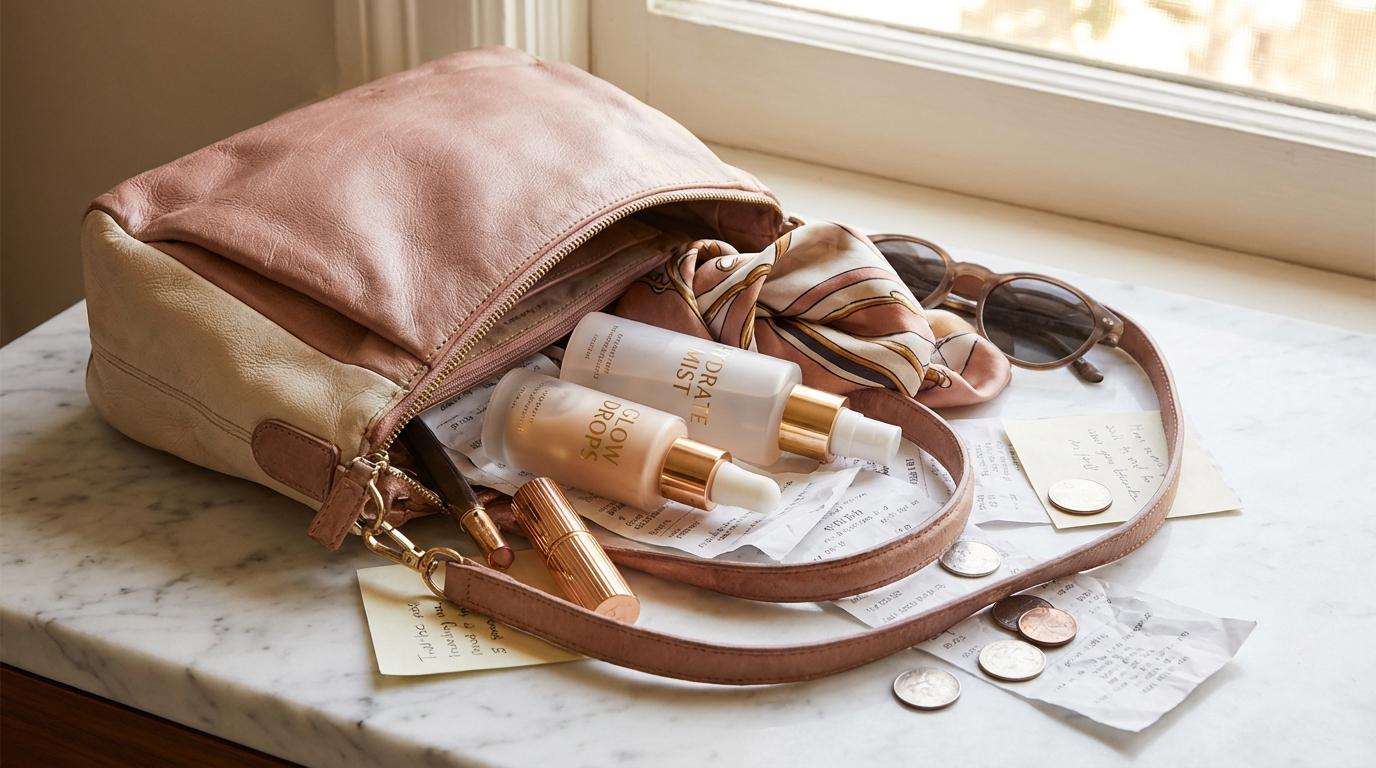
I used to be the person who would spend $50 at Sephora just to hit the sample threshold and walk out thinking I was some kind of genius. Free stuff! Deluxe samples! Birthday gifts! It took me embarrassingly long to realize I was actually losing money on this strategy, not saving it.
The Sample Math Nobody Talks About
Let me break down what actually happens when you chase Sephora samples. A typical “deluxe sample” is somewhere between 0.1 oz and 0.5 oz of product. A full-size moisturizer is usually 1.7 oz to 2 oz. That deluxe sample represents maybe 5-15% of a full-size product.
But to get that sample, you had to spend $35 or $50 or whatever the threshold was. If the full-size product costs $65, and the sample is worth roughly $6-10 (being generous), you’re not getting some amazing deal. You’re getting a small discount on your order, assuming you actually wanted everything you bought.
The real problem? Most of us didn’t want everything we bought. We added that random lip gloss or hair tie or third cleanser to hit the threshold. That “free” sample actually cost us $12 in stuff we didn’t need.
The Cost-Per-Use Reality Check
I started tracking my skincare spending last year, and the numbers were depressing. That $35 serum sample pack with six tiny vials? Each vial lasted maybe 3-4 uses. I paid roughly $1.50 per application for products I was “trying.”
Compare that to buying a full-size product you’ve actually researched. A $30 serum with 1 oz lasts most people 2-3 months with daily use. That’s about $0.33-$0.50 per application. Even expensive products often beat the cost-per-use of sample hoarding.
The sample pack feels cheaper because the upfront cost is lower. But you’re paying premium prices for minimal product and getting zero value from the tiny amount because you can’t actually test anything properly.
Sample Sizes Are Too Small to Actually Test
Dermatologists generally recommend using a new skincare product for at least 4-6 weeks before judging whether it works for you. Some ingredients, like retinoids, need 12 weeks to show real results. A sample that lasts 3-5 applications tells you exactly nothing useful.
You can’t assess if a product causes breakouts in 3 uses. You can’t tell if it actually hydrates your skin over time. You can’t evaluate whether it plays well with the rest of your routine. All you can assess is texture, scent, and maybe immediate absorption. That’s barely more information than you’d get from swatching it in store.
I’ve wasted money buying full-size products based on loving a sample, only to discover the product causes closed comedones when used consistently. The sample size doesn’t reveal this. It just reveals whether the product feels nice for a minute.
The Psychology They’re Banking On
Sephora’s sample strategy isn’t about generosity. It’s a carefully designed sales funnel. They know that giving you a tiny taste of an expensive product creates a specific psychological response. You feel like you’re “almost there” with the product. You’ve invested in it. You want to see results. The logical next step feels like buying the full size.
This works especially well with skincare because we’re all hoping for transformation. You use that La Mer sample for 3 days, your skin looks slightly dewier (probably just the heavy occlusives sitting on top), and suddenly you’re considering a $200 moisturizer.
The samples also create a sense of scarcity and exclusivity. “Deluxe sample” sounds fancy. “Limited edition sample set” makes you feel special. It’s all designed to make you feel like you’re getting access to something valuable when you’re actually getting a marketing tool.
When Samples Actually Make Sense
I’m not saying all samples are useless. There are specific situations where they have value:
Fragrance testing: This is probably the only category where samples genuinely help. Perfume samples let you wear a scent for a full day and see how it develops on your skin before committing to an expensive bottle. Worth it.
Travel: If you’re going on a trip and don’t want to bring full-size products, using up samples you already have makes sense. But buying samples specifically for travel? Just get travel containers and decant your regular products.
Shade matching: Foundation samples are legitimately useful. A single sample sachet lets you test the shade in different lighting over a few days. This saves money on buying and returning wrong shades.
Allergy/sensitivity testing: If you have reactive skin and need to patch test new products, a sample lets you test without committing. But honestly, most brands will send free samples if you email customer service asking, so you don’t need to buy them.
What I Do Instead Now
I stopped chasing samples and started being strategic about what I actually buy. It’s saved me hundreds of dollars.
Research before buying anything: I read reviews, check ingredient lists, look up what dermatologists say. By the time I’m ready to buy, I’m confident it’s worth trying. The Ordinary has great options that are affordable enough to try without needing samples first.
Buy from places with good return policies: Sephora actually has a great return policy. If a product doesn’t work for you, return it. You don’t need to sample first if you can return things that break you out.
Start with smaller sizes when available: Many brands offer travel or mini sizes that cost less but still give you weeks of use. That’s enough time to actually evaluate the product. Much better value than a 3-use sample.
Ask for free samples: At the Sephora counter, you can ask associates to make you samples of almost anything. This is actually free, no purchase required. They’ll put product into small containers. Same at department store counters. Use this for products you’re genuinely curious about.
The Budget Beauty Alternative
The real secret to affordable skincare isn’t collecting luxury samples. It’s finding affordable products that actually work and using them consistently.
A $15 CeraVe moisturizer used daily for 3 months will do more for your skin than 20 deluxe samples of fancy creams used randomly. Consistency beats prestige. Always.
I’ve also learned that most expensive skincare has affordable alternatives with nearly identical ingredient lists. That $100 vitamin C serum? There’s probably a $20 version with the same active at the same concentration. You don’t need samples of the expensive one. You need to understand what actually works and find the cheapest version of it.
Breaking the Sample Collection Habit
If you’re a sample hoarder like I was, here’s how to stop:
Unsubscribe from Sephora emails. The “free sample with $35 purchase” emails are designed to make you shop when you weren’t planning to. Remove the temptation.
Calculate what samples actually cost you. Look at your last few orders. What did you add just to hit a threshold? What did those “free” samples really cost?
Use up what you have. Go through your sample stash. Either use them (even if just as hand cream or travel products) or give them away. Seeing the pile shrink helps break the accumulation mindset.
Set a skincare budget. When you have a fixed amount to spend, you get picky about what deserves space in that budget. Random samples don’t make the cut when money is limited.
What This Saved Me
Last year, I tracked everything. By skipping the sample-chasing behavior and buying intentionally, I spent about 40% less on skincare while actually having a more effective routine. Fewer products, used consistently, with no “just to hit the threshold” purchases cluttering my bathroom.
The samples were never really free. They were a marketing strategy I was paying for without realizing it. Once you see it, you can’t unsee it.
Your money is better spent on full-size products you’ve researched, from brands at price points that make sense for your budget. The sample economy is designed to keep you spending. The way out is to opt out entirely.