
So you wake up, look in the mirror, and there it is: another cluster of angry bumps lining your jawline like they are forming some kind of rebellion. If your chin and jaw area seem to have a personal vendetta against you, especially around your period, you are not imagining it. Jawline breakouts are a whole different beast from the random forehead pimple, and they require a targeted approach to actually get under control.
I have been battling jawline acne on and off for years now (mostly on, let us be honest), and after way too much trial and error, I have finally figured out what actually works. Spoiler: it is not just slapping on some spot treatment and hoping for the best.
Why Your Jawline Is Breaking Out (It Is Probably Hormones)
Here is the thing about jawline acne: it is almost always hormonal. That U-shaped pattern around your chin, jaw, and lower cheeks? That is the classic hormonal acne zone. When androgens (male hormones that everyone has) spike, they tell your sebaceous glands to go into overdrive. And guess where those glands are most sensitive to androgens? Yep. Your jawline.
This is why you might notice breakouts clustering around your period, when hormone fluctuations are at their peak. It is also why jawline acne tends to be those deep, painful cystic bumps rather than surface-level whiteheads. These form deep in the follicle and take forever to come to a head (if they ever do).
But hormones are not the only culprit. There are some sneaky habits that might be making things worse.
The Habits You Did Not Realize Were Sabotaging Your Skin
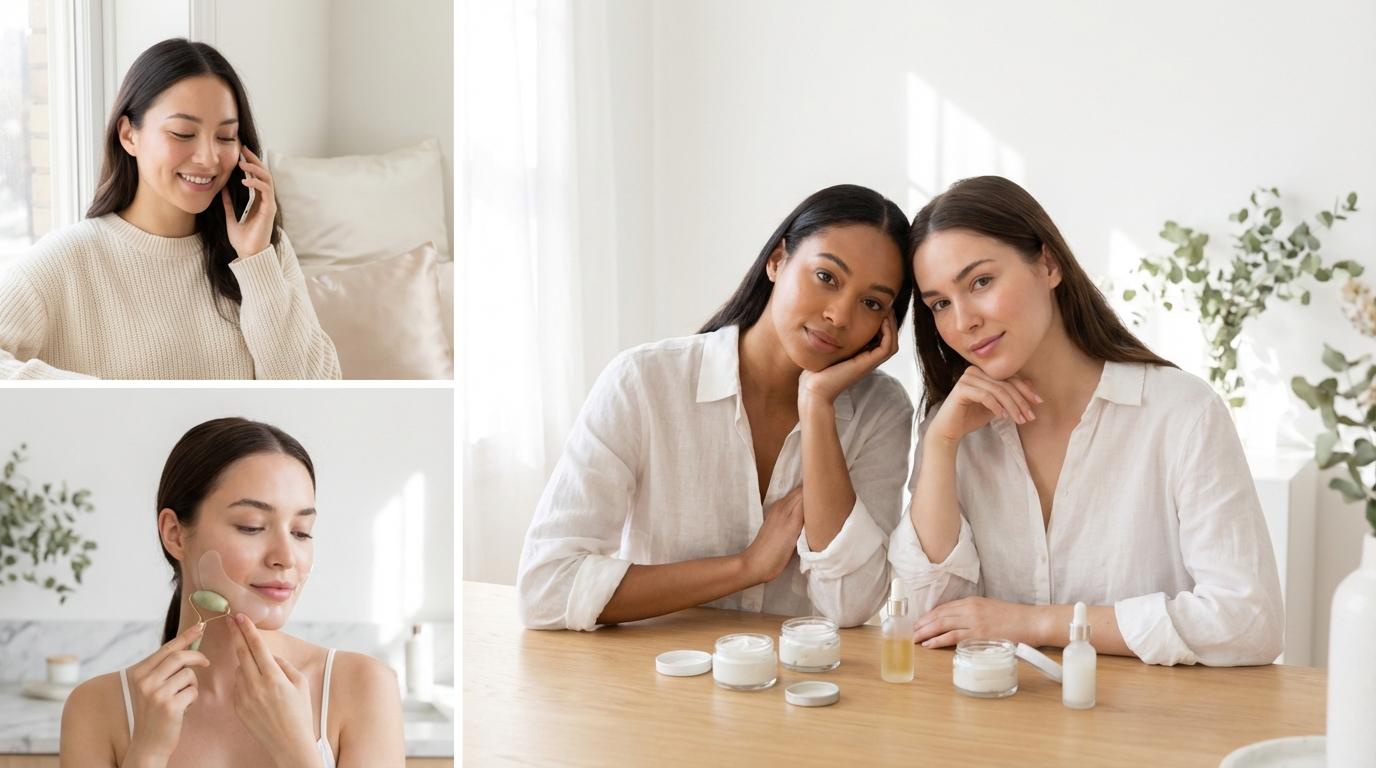
Let us talk about your phone. Yes, that device you press against your face multiple times a day. Your phone screen is basically a petri dish of bacteria, oils, and whatever else it has picked up from every surface it has touched. When you hold it against your cheek and jaw during calls, you are transferring all of that directly onto your skin. A study on mobile phone contamination found that phones harbor an alarming amount of bacteria, including some that can cause skin infections.
Quick fixes: Use speakerphone or earbuds when possible. Wipe your phone screen with an antibacterial wipe daily. It takes three seconds and makes a real difference.
Now let us address the chin-resting situation. I know, I know. Propping your chin on your hand is basically a personality trait at this point. But every time you do it, you are pressing bacteria, oils, and dead skin cells from your hands directly into your pores. Plus, the pressure and friction can irritate existing breakouts and trigger new ones. Try catching yourself when you do it and redirect that hand somewhere else. Easier said than done, but worth the effort.
Pillowcases are another sneaky offender. You spend hours with your face pressed against that fabric, and it accumulates oil, sweat, drool (no judgment), and product residue fast. The Sleep Foundation recommends changing pillowcases at least once a week, but if you are acne-prone, every 2-3 days is even better. Silk or satin pillowcases can also help because they create less friction and do not absorb as much oil as cotton.
Building a Jawline-Focused Routine
Here is where we get into the actual skincare portion. Your jawline needs some special attention, so think of this as a targeted protocol rather than your usual all-over routine.
Morning Routine
Cleanser: Start with a gentle cleanser that will not strip your skin. I know it is tempting to go harsh when you are breaking out, but over-cleansing triggers more oil production, which is the opposite of what we want. Look for something with salicylic acid if you want a little extra exfoliation. CeraVe SA Cleanser or La Roche-Posay Effaclar are solid budget-friendly options.
Treatment: Apply a lightweight benzoyl peroxide product to your jawline area. Start with 2.5 percent concentration since higher percentages are not actually more effective and just dry you out more. A thin layer is all you need. Research shows that benzoyl peroxide is particularly effective for inflammatory acne because it kills P. acnes bacteria and helps reduce the blockage in pores.
Moisturizer: Yes, even if you are oily. Even if you are breaking out. Skipping moisturizer messes with your skin barrier, which makes everything worse. Pick something non-comedogenic and lightweight. Gel moisturizers work great for oily skin.
SPF: Non-negotiable. Acne treatments make your skin more sun-sensitive, and sun damage can worsen post-acne marks. Choose an SPF that does not break you out (mineral sunscreens with zinc oxide tend to be safer for acne-prone skin).
Evening Routine
Double cleanse: If you wear sunscreen or makeup, start with an oil-based cleanser or micellar water to break that down, then follow with your regular cleanser. This prevents that stuff from sitting in your pores overnight.
Exfoliation (2-3x per week): This is where you can really target those clogged pores. A BHA (salicylic acid) toner or serum works its way into pores to clear out the gunk. Paulas Choice 2 percent BHA Liquid Exfoliant is the cult favorite for a reason, but The Ordinary also makes an affordable option. On nights you are not using BHA, you can use an AHA for surface-level exfoliation.
Targeted treatments: For existing breakouts, dab on a sulfur-based spot treatment or a hydrocolloid patch. Those patches are genuinely useful for drawing out fluid from cystic bumps overnight. For preventing new breakouts, consider adding a retinoid to your routine. Adapalene (sold as Differin) is available over the counter and is clinically proven to help with acne. Start slow with this one since retinoids can cause purging and irritation at first.
Moisturizer: Same deal as morning. Keep that barrier happy.
When to Consider Professional Help
If you have been consistent with a good routine for 8-12 weeks and you are still dealing with persistent jawline acne, it might be time to see a dermatologist. Hormonal acne often responds well to treatments that are not available over the counter.
Options your derm might suggest include:
Spironolactone: This is an anti-androgen medication that is commonly prescribed for hormonal acne in women. It works by blocking the effects of androgens on your oil glands. Many people see significant improvement within a few months. The Journal of the American Academy of Dermatology has published research showing its effectiveness for adult female acne.
Prescription retinoids: Tretinoin is stronger than over-the-counter adapalene and might be worth trying if Differin is not cutting it.
Birth control: Certain oral contraceptives can help regulate the hormones that trigger breakouts. This obviously is not the right choice for everyone, but it is worth discussing with your doctor if hormonal acne is significantly impacting your life.
In-office treatments: Chemical peels, cortisone injections for cystic bumps, or LED light therapy can all complement your at-home routine.
What NOT to Do (Learn From My Mistakes)
Please do not pick at your jawline acne. I know those deep bumps are infuriating and it feels like you should be able to squeeze them out, but you really cannot. Jawline cysts are too deep to extract at home, and trying just causes inflammation, scarring, and potentially infection. Put bandaids over them if you need a physical barrier to stop yourself (I have done this).
Do not over-exfoliate in an attempt to blast away your breakouts. Using too many acids, too often, damages your skin barrier and actually makes acne worse. Stick to 2-3 nights per week max for chemical exfoliants.
Do not change your entire routine every two weeks. Skincare takes time to work, and constantly switching products prevents anything from having a real effect. Commit to a routine for at least 6-8 weeks before deciding it is not working.
Do not ignore internal factors. Your skin reflects what is happening inside your body too. Stress spikes cortisol, which spikes androgens, which spikes acne. Getting enough sleep, managing stress, and eating balanced meals all play supporting roles in keeping your skin calm.
A Realistic Timeline
Here is what to actually expect when you start targeting your jawline breakouts:
Weeks 1-2: You might not see much change, or you might experience some purging if you are using retinoids or BHAs. This is normal and means the products are working to bring existing clogs to the surface.
Weeks 3-4: New breakouts should start slowing down. Existing ones are starting to heal.
Weeks 6-8: This is when you should notice real improvement. Fewer new breakouts, less inflammation, smoother texture along your jawline.
Weeks 12+: If you are using prescription treatments or retinoids, this is when you will see their full effects. Hormonal treatments like spironolactone often take 3-6 months for maximum results.
Jawline acne is stubborn and frustrating, but it is absolutely manageable once you understand what is causing it and how to address it properly. The combination of targeting the hormonal component, fixing the little habits that contribute to breakouts, and using the right products in the right order makes a real difference. Your jawline is not plotting against you forever. It just needs the right game plan.