
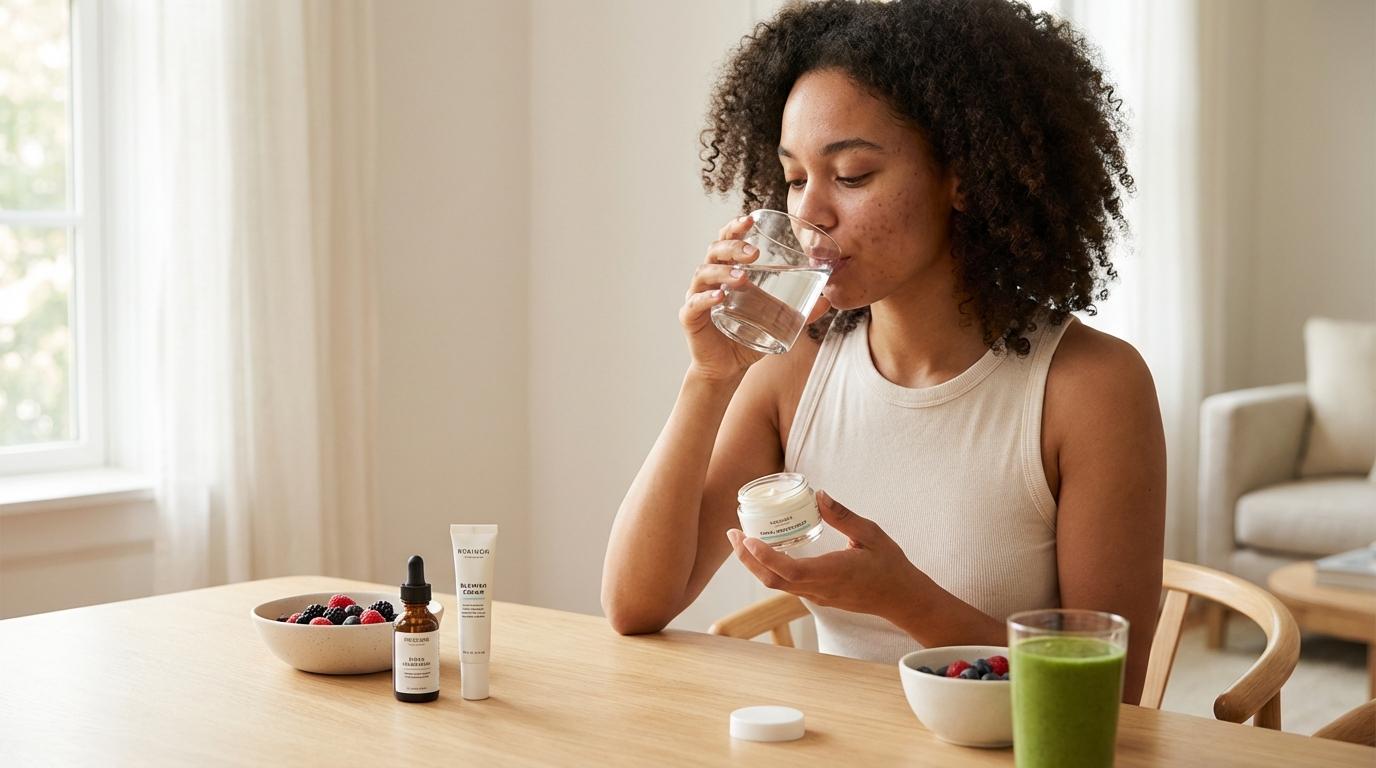
So you’ve decided to change your diet. Maybe you’re going low-carb, trying the Mediterranean approach, cutting dairy, or finally ditching processed foods. Good for you. But here’s something nobody warned you about: your skin might freak out first.
I’m Maya, and I’ve been through multiple diet overhauls over the years. Each time, my skin threw a small tantrum before settling down. If you’re in the middle of a diet change and wondering why your face looks worse instead of better, you’re not alone. Let’s talk about what’s actually happening and how to adjust your skincare routine to get through it.
Why Diet Changes Mess With Your Skin
Your skin is basically a window into your internal health. When you dramatically shift what you’re eating, your body goes through an adjustment period that can last anywhere from a few weeks to a couple of months. During this time, your skin might react in unexpected ways.
According to the American Academy of Dermatology, it can take up to 12 weeks for dietary changes to show noticeable effects on your skin. That means the breakout you’re seeing in week two isn’t necessarily a sign that your new diet is bad for you. It might just be your body adjusting.
Here’s what typically happens:
- Detox breakouts: When you cut out sugar, dairy, or processed foods, your body starts releasing stored toxins. Some of that elimination happens through your skin.
- Hormonal fluctuations: Dietary changes can temporarily affect your hormone levels, which directly impacts oil production and skin cell turnover.
- Gut microbiome shifts: Your gut bacteria influence skin inflammation. A new diet means new bacteria are moving in while others are dying off, creating temporary chaos.
- Nutrient gaps: If your new diet is missing certain vitamins or minerals you were getting before, your skin might show the deficiency.
The First Two Weeks: Expect Some Chaos
Let’s be real about what the adjustment period looks like. In the first week or two of a major diet change, you might experience:
- Increased breakouts, especially along the jawline and chin
- Dryness or flakiness in patches
- Dullness or a grayish cast to your complexion
- More visible texture than usual
- Occasional redness or sensitivity
This doesn’t mean your diet change is wrong for you. These are normal signs that your body is recalibrating. The key is adjusting your skincare routine to support your skin through this transition instead of fighting against it.
Hydration Becomes Non-Negotiable
Whatever diet you’re switching to, hydration needs to be your top priority during the adjustment phase. Many diets cause water loss, especially low-carb approaches like keto. When your body sheds water weight, your skin loses moisture too.
Here’s how to bump up your hydration game:
Internal hydration: Aim for at least 8 glasses of water daily, but honestly, more is better during a diet transition. If you’re doing keto or another low-carb diet, add electrolytes to prevent the skin-dulling effects of mineral depletion.
External hydration: This is where your skincare routine needs adjustment. Layer your hydrating products. Start with a hydrating toner or essence, follow with a hyaluronic acid serum, then seal everything in with a moisturizer that contains ceramides or squalane.
Research published in Nutrients journal confirms that skin hydration is directly linked to dietary patterns. When you change your eating habits, your skin’s moisture barrier can become temporarily compromised.
Managing Adjustment Breakouts
The breakouts that come with diet changes are annoying, but they’re usually temporary. Here’s how to handle them without making things worse:
Don’t go aggressive: Your first instinct might be to break out the benzoyl peroxide and retinoids at full strength. Resist this urge. Your skin barrier is already stressed from internal changes. Harsh treatments will just add to the irritation.
Use gentle actives: Stick with salicylic acid at 2% or lower, and only use it on active breakouts rather than your whole face. Niacinamide is your friend right now because it helps regulate sebum without being harsh.
Keep your routine simple: Now is not the time to introduce five new products. Stick to cleanser, hydrator, treatment (if needed), moisturizer, and sunscreen. That’s it.
Don’t pick: Adjustment breakouts often look different from your regular pimples. They might be smaller, more widespread, or pop up in unusual spots. Leave them alone. They’ll resolve faster if you don’t mess with them.
Diet-Specific Skin Concerns
Different types of diet changes create different skin challenges. Here’s what to watch for based on what you’re eating:
Low-carb or keto: Expect dryness and possible dullness in the first few weeks. Your skin is losing water as your body depletes glycogen stores. Focus heavily on hydration and consider adding facial oils to your routine temporarily.
Cutting dairy: This often leads to fewer breakouts long-term, but you might see a purge period first. Research from Frontiers in Nutrition shows that dairy, especially skim milk, is associated with acne in many people. When you remove it, your hormones adjust, sometimes causing temporary breakouts before improvement.
High-fiber increase: If you’re suddenly eating way more vegetables and whole grains, your digestive system needs time to adjust. Bloating and digestive upset can temporarily affect skin clarity. Increase fiber gradually and drink plenty of water to help things move along.
Mediterranean diet: This is one of the gentler transitions for skin. The emphasis on healthy fats, fish, and vegetables typically supports skin health. You might see improvement faster than with other diet changes. The 2025 AAD Annual Meeting highlighted how this eating pattern can enhance treatment effectiveness for various skin conditions.
Building Your Transition Routine
Here’s a straightforward routine to follow during your diet adjustment period:
Morning:
- Gentle cleanser (nothing foaming or stripping)
- Hydrating toner or essence
- Vitamin C serum (antioxidant protection)
- Lightweight moisturizer
- SPF 30 or higher
Evening:
- Oil cleanser or micellar water to remove sunscreen and makeup
- Gentle water-based cleanser
- Hydrating toner
- Treatment serum (niacinamide for breakouts, hyaluronic acid for dryness)
- Richer moisturizer than morning
- Facial oil if needed (especially for dry or dehydrated skin)
Skip any strong exfoliants, retinoids, or harsh treatments for the first four weeks of your diet change. You can reintroduce them gradually once your skin stabilizes.
When Your Skin Will Actually Stabilize
The million-dollar question: how long until your skin calms down?
For most people, the adjustment period follows this general timeline:
- Weeks 1-2: Peak chaos. This is when you’ll see the most breakouts, dryness, or other temporary issues.
- Weeks 3-4: Things start settling. Your body is adapting, and skin problems should begin decreasing.
- Weeks 5-8: Noticeable improvement. If your new diet is good for your skin, you’ll start seeing positive changes.
- Weeks 9-12: The new normal. This is when you can accurately judge how your diet affects your skin long-term.
According to Baylor College of Medicine, patience is essential when evaluating diet and skin connections. Quick judgments lead to abandoning potentially beneficial changes too soon.
Red Flags to Watch For
Some skin reactions during a diet change warrant attention. Contact a dermatologist if you experience:
- Severe, cystic acne that wasn’t present before
- Rashes or hives that don’t resolve within a few days
- Extreme dryness with cracking or bleeding
- Skin problems that worsen after the first month instead of improving
- Signs of allergic reaction to new foods
These could indicate that something in your new diet doesn’t agree with you, or that you’ve developed a sensitivity or deficiency that needs medical attention.
Supporting Skin From Both Sides
The best approach during a diet change is working on your skin from the inside and outside simultaneously. While adjusting your topical routine, make sure your new diet includes:
- Omega-3 fatty acids: Found in fatty fish, walnuts, and flaxseeds. These reduce inflammation and support your skin barrier.
- Vitamin E: Found in nuts, seeds, and leafy greens. An antioxidant that protects skin cells from damage.
- Zinc: Found in meat, shellfish, and legumes. Supports skin healing and can help with breakouts.
- Vitamin C: Found in citrus, berries, and peppers. Essential for collagen production and skin repair.
If your new diet restricts certain food groups, consider whether supplementation might help bridge any nutritional gaps that could affect your skin.
The Bottom Line
Changing your diet is a positive step for your overall health, and usually for your skin too. But getting there involves a transition period that can test your patience. The key is supporting your skin with a gentle, hydration-focused routine while your body adjusts internally.
Don’t abandon a healthy diet change because of a few weeks of skin chaos. Stick with it, keep your routine simple and hydrating, and give your body the full 12 weeks to show you what the new diet really does for your complexion. Most people who push through the adjustment phase end up with clearer, healthier skin on the other side.
Your skin is smart. It just needs time to catch up with your new eating habits.