
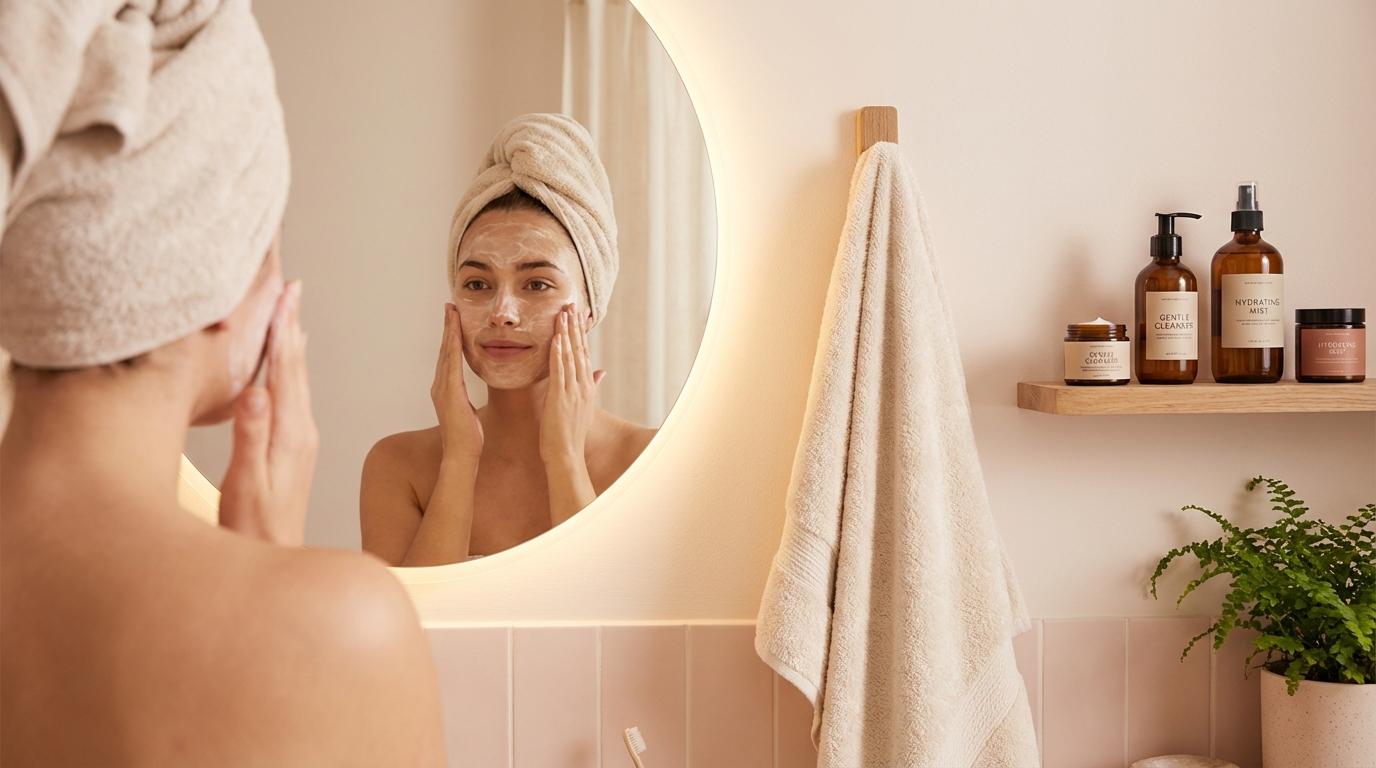
Fragrance in skincare causes contact dermatitis in an estimated 1-4% of the general population, but that number jumps significantly higher among people who already have sensitive or reactive skin. The mechanism is straightforward: fragrance compounds are small molecules that can penetrate the stratum corneum and trigger immune responses, leading to inflammation, redness, and irritation that compounds existing sensitivity issues.
Why Fragrance Is Particularly Problematic
When we talk about “fragrance” on an ingredient list, we’re actually talking about a potential mixture of dozens to hundreds of individual chemical compounds. The FDA allows companies to list this as simply “fragrance” or “parfum” to protect trade secrets. This regulatory loophole means you have no way of knowing exactly what you’re exposing your skin to.
From a biochemistry perspective, many fragrance molecules are inherently reactive. They can act as haptens, binding to proteins in your skin and creating new antigens that your immune system may recognize as foreign. Once sensitized, your skin will react every time it encounters that compound.
Essential oils, often marketed as “natural” alternatives, present the same problem. Lavender oil, tea tree oil, and citrus oils all contain potentially sensitizing compounds like linalool and limonene. Natural does not mean non-reactive.
The Vanicream Lineup: A Science-Based Choice
Vanicream was developed by pharmaceutical compounding pharmacists specifically for people with chemical sensitivities. The entire line is free from dyes, fragrance, masking fragrance, lanolin, parabens, and formaldehyde releasers.
Vanicream Gentle Facial Cleanser uses a sulfate-free surfactant system based on sodium cocoyl isethionate, which has a larger molecular structure than traditional sulfates. This means less penetration into the skin barrier and significantly reduced irritation potential. Around $8-10 for a 8oz bottle.
Vanicream Moisturizing Skin Cream delivers occlusion and humectant properties through a combination of petrolatum, sorbitol, and cetearyl alcohol. The formula creates an effective moisture barrier without any sensitizing ingredients. A 16oz tub runs about $14-16.
Vanicream Lite Lotion offers a lighter option with similar principles. Uses dimethicone as a key emollient, which provides skin protection without the heavy feel. Great for humid climates or oilier skin types. Usually $10-12 for 8oz.
Vanicream SPF 30 Sunscreen relies on zinc oxide as the active ingredient. Mineral sunscreens work by physically blocking UV rays rather than absorbing them through chemical reactions, which reduces the potential for irritation. Approximately $15 for 4oz.
Simple Brand: Minimalism Done Right
Simple Skincare (the brand from the UK, now widely available) built their entire philosophy around what they call “kind to skin” formulation. They avoid artificial perfumes, harsh chemicals, and dyes across their entire range.
Simple Kind to Skin Micellar Cleansing Water uses micelle technology to lift makeup and impurities without stripping the skin. The formula is essentially surfactant molecules suspended in water, creating tiny spheres that attract oil and dirt. About $7-9 for 13.5oz.
Simple Water Boost Hydrating Gel Cream contains a blend of plant-derived glycerin and a mineral complex. The gel texture absorbs quickly, making it suitable for sensitive skin that also tends toward oiliness. Typically $10-13.
Simple Replenishing Rich Moisturizer provides more intense hydration through a combination of vitamins B5 and E alongside glycerin. The slightly richer formula works well for sensitive skin that’s also dry. Around $8-11.
Other Fragrance-Free Budget Options
Cetaphil Gentle Skin Cleanser has been a dermatologist recommendation for decades. The formula is lipid-free and non-comedogenic, using a mild surfactant system that cleanses without disrupting the skin barrier. A 16oz bottle costs about $10-14.
La Roche-Posay Toleriane Double Repair Face Moisturizer combines ceramides with niacinamide and glycerin. While slightly pricier at around $20, the formula is specifically designed for sensitive skin and contains prebiotic thermal water. Studies have shown niacinamide improves barrier function and reduces inflammation.
CeraVe Hydrating Facial Cleanser includes ceramides and hyaluronic acid in a gentle cleansing formula. The MVE technology allows for sustained release of active ingredients. About $15 for 16oz.
For those watching every dollar, budget-friendly options absolutely exist that deliver results without irritating reactive skin.
What Sensitive Skin Should Avoid
Beyond fragrance, several other common ingredients trigger reactions in sensitive skin:
Alcohol denat (denatured alcohol): A solvent that can disrupt the lipid barrier and cause dryness and irritation. Check ingredient lists carefully, as this appears in many toners and essences.
Sodium lauryl sulfate (SLS): A harsh surfactant known to penetrate the stratum corneum and denature proteins. Sodium laureth sulfate (SLES) is slightly gentler but still problematic for many.
Retinoids (initially): While excellent for many skin concerns, retinoids cause irritation in sensitive skin, especially during the adjustment period. If you want to use them, start with the lowest concentration and buffer with moisturizer.
Exfoliating acids at high concentrations: AHAs and BHAs are beneficial for many, but sensitive skin often reacts to concentrations above 5%. Start low and test carefully.
Witch hazel: Often marketed as soothing, but it contains tannins that can be irritating and drying for truly sensitive skin.
Building a Sensitive Skin Routine on a Budget
A complete routine for sensitive skin doesn’t need to be complicated or expensive:
Morning:
- Splash with water or use a gentle micellar water (Simple Micellar, ~$8)
- Fragrance-free moisturizer (Vanicream Lite, ~$11)
- Mineral sunscreen (Vanicream SPF 30, ~$15)
Evening:
- Gentle cleanser (Vanicream Gentle Facial Cleanser, ~$9)
- Hydrating moisturizer (Vanicream Moisturizing Cream, ~$15)
Total cost: approximately $58 for products that will last 2-3 months. That’s under $25 per month for a complete, dermatologist-approved routine.
Reading Labels Like a Scientist
Ingredients are listed in descending order of concentration. The first five ingredients make up the bulk of the formula. Focus your attention there first.
Watch for fragrance hidden under other names: parfum, fragrance, aroma, essential oil, plant extract (sometimes added for scent), and “natural fragrance” all indicate potential sensitizers.
The term “unscented” does not mean fragrance-free. Unscented products often contain masking fragrances to neutralize the smell of other ingredients. Always look for “fragrance-free” specifically.
“Hypoallergenic” has no legal definition and requires no testing. It’s a marketing term. Ignore it and read the actual ingredient list.
“Dermatologist tested” similarly means very little. A dermatologist looking at a product once technically counts. Look for “dermatologist recommended” or actual clinical study results instead.
When to See a Professional
If you’ve eliminated fragrances and common irritants but still experience persistent redness, burning, or irritation, something else might be going on. Contact dermatitis can develop to ingredients you’ve used safely for years. Eczema and other conditions require specific treatment approaches.
Patch testing with a dermatologist can identify specific allergens. This involves applying small amounts of common allergens to your skin under controlled conditions to pinpoint exactly what triggers your reactions.
The Bottom of the Receipt
Sensitive skin care doesn’t require premium pricing. The science is clear: fewer ingredients generally means fewer potential triggers. Vanicream, Simple, and similar budget brands built their formulations around this principle. They removed the unnecessary stuff and kept what actually benefits skin.
Stop paying for fragrance that irritates you. Stop paying for fancy packaging. Put your money toward ingredients that strengthen your barrier and protect your skin. Everything else is just noise your sensitive skin doesn’t need to hear.