
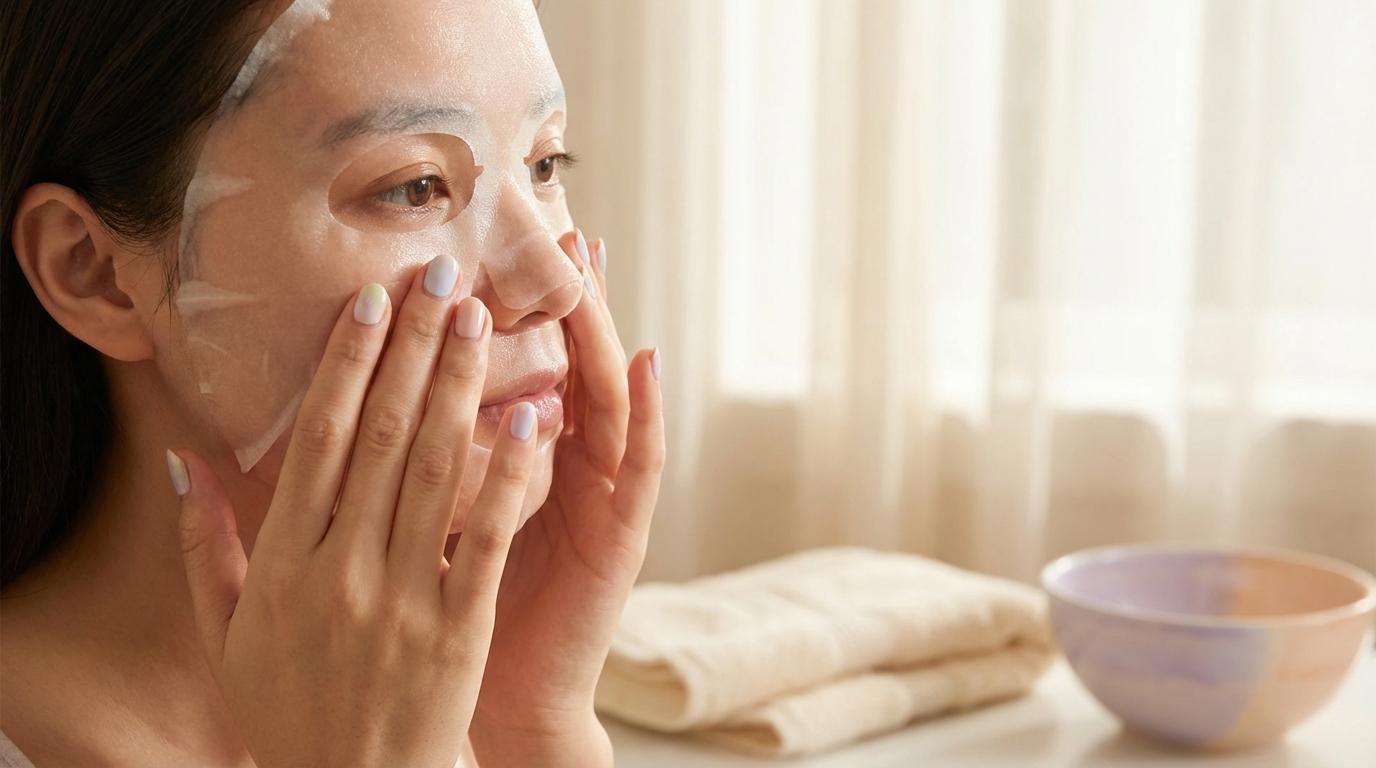
Sheet masks feel like you’re giving your skin a spa-level treat. In reality, they can be one of the worst things you reach for when your skin is already breaking out.
I’m not saying every sheet mask will wreck acne-prone skin. But the way most people use them, and the ingredients lurking in popular options, create a recipe for clogged pores and fresh breakouts. If you’ve noticed your skin acting up after a masking session, you’re not imagining it.
The problem comes down to a concept called occlusion, and understanding it can save you a lot of frustration. It’s the same principle behind why slugging works for dry skin but backfires for oily, acne-prone types.
What Occlusion Actually Does to Breakout-Prone Skin
Sheet masks work by trapping the serum against your face. That physical barrier forces ingredients deeper into your skin. Sounds great on paper.
For acne-prone skin, this forced penetration is a double-edged sword. When you occlude skin that’s already producing excess oil, you’re essentially sealing bacteria and sebum underneath a wet blanket. The warm, moist environment under that mask? Bacteria love it.
P. acnes bacteria thrive in low-oxygen, moist environments. A sheet mask sitting on your face for 20 minutes creates exactly those conditions. If you have active breakouts, you’re essentially incubating them.
This doesn’t mean occlusion is always bad. But it does mean acne-prone skin needs to be much more selective about when and how it’s used.
The Ingredient List Matters More Than the Marketing
Most sheet masks are marketed as “hydrating” or “calming,” which sounds safe. Flip them over and check the ingredient list. Many contain:
- Fragrance compounds that irritate already inflamed skin
- Coconut-derived emollients that score high on comedogenicity scales
- Alcohol denat near the top of the list, which strips your barrier and triggers more oil production
- Essential oils like lavender or tea tree in concentrations that cause contact irritation
The sheet itself matters too. Some are made from materials that don’t breathe at all, while others use bio-cellulose or hydrogel that sits even tighter against the skin. Tighter fit means more occlusion, which means more risk for congestion-prone pores.
A single-use product soaked in a mystery cocktail of 30+ ingredients is a gamble for skin that reacts to everything. You wouldn’t slap an unknown moisturizer on your face without checking the label. Sheet masks deserve the same scrutiny.
When Sheet Masks Might Actually Help
There are situations where a sheet mask can work for acne-prone skin. They’re narrow, but they exist.
If your acne is under control and your main concern is dehydration, a fragrance-free, non-comedogenic sheet mask used occasionally (once a week max) can deliver hydrating ingredients effectively. Dehydrated skin overproduces oil to compensate, which feeds the breakout cycle. Hyaluronic acid is one ingredient that works well under occlusion without triggering new breakouts.
Post-inflammatory redness can also benefit from masks containing centella asiatica or aloe, provided the rest of the formula is clean. The temporary occlusion helps soothe irritated tissue.
The key word is “occasionally.” Sheet masks are not a regular step in an acne-fighting routine. They’re a targeted tool used sparingly under specific conditions.
What to Look For If You Still Want to Mask
If you’re set on using sheet masks, here’s how to minimize the damage:
- Choose masks with short, recognizable ingredient lists (under 15 ingredients is ideal)
- Avoid anything with fragrance, essential oils, or alcohol denat
- Look for niacinamide, centella, or hyaluronic acid as star ingredients
- Use cotton or tencel-based sheets over hydrogel or bio-cellulose for less occlusion
- Keep the mask on for 10-15 minutes max, not until it dries out
- Pat the remaining essence in gently, don’t add more product on top
Patch test the essence on your jawline for a couple of days before committing to a full-face application. Your jaw and chin are often the first places comedogenic ingredients show up as breakouts.
Better Alternatives for Acne-Prone Skin
Wash-off masks give you more control. Clay masks with kaolin or bentonite absorb excess oil without trapping anything underneath. You rinse them off, taking dead skin cells and sebum with them.
Sulfur masks are another option that sheet masks can’t replicate. Sulfur has antibacterial and keratolytic properties, meaning it kills bacteria and helps unclog pores simultaneously. A 10-minute sulfur mask once or twice a week does more for acne than any sheet mask ever will.
Even a simple honey mask (raw, unprocessed) offers antibacterial benefits without the ingredient roulette of packaged sheet masks. It’s naturally humectant and has a lower pH that supports your acid mantle.
If hydration is the goal, a fragrance-free hydrating serum applied to damp skin and sealed with a lightweight moisturizer delivers the same result without the occlusion risk. You use it daily instead of once a week, which means more consistent hydration.
Reading Your Skin After Masking
Pay attention to what happens 24-48 hours after using a sheet mask. New closed comedones along your cheeks or forehead? That mask is clogging your pores. Tiny pustules near your chin? The formula is feeding bacteria.
The tricky part is that sheet masks often make skin look great immediately. The hydration plumps out fine lines, the occlusion gives a temporary glow. It’s two days later when the breakouts surface that the connection gets lost.
Keep a simple log. Date, product name, and skin condition 48 hours later. Three sessions is enough data to know if a particular mask works with your skin or against it.
Stop Defaulting to Sheet Masks for Self-Care
Sheet masks became a self-care symbol. Instagram made them look like the ultimate pampering step. For acne-prone skin, that association does more harm than good because it leads to frequent use of products that aren’t suited for breakout-prone complexions.
Self-care for acne skin looks different. It’s a consistent, boring routine with proven actives. It’s resisting the urge to try every new mask that shows up in your feed. It’s washing your pillowcase and keeping your hands off your face.
If sheet masks are your thing and your skin tolerates them, use them wisely. But if you’re breaking out and sheet masks are a regular habit, drop them for a month and see what happens. You might be surprised how much calmer your skin gets when you stop suffocating it.