
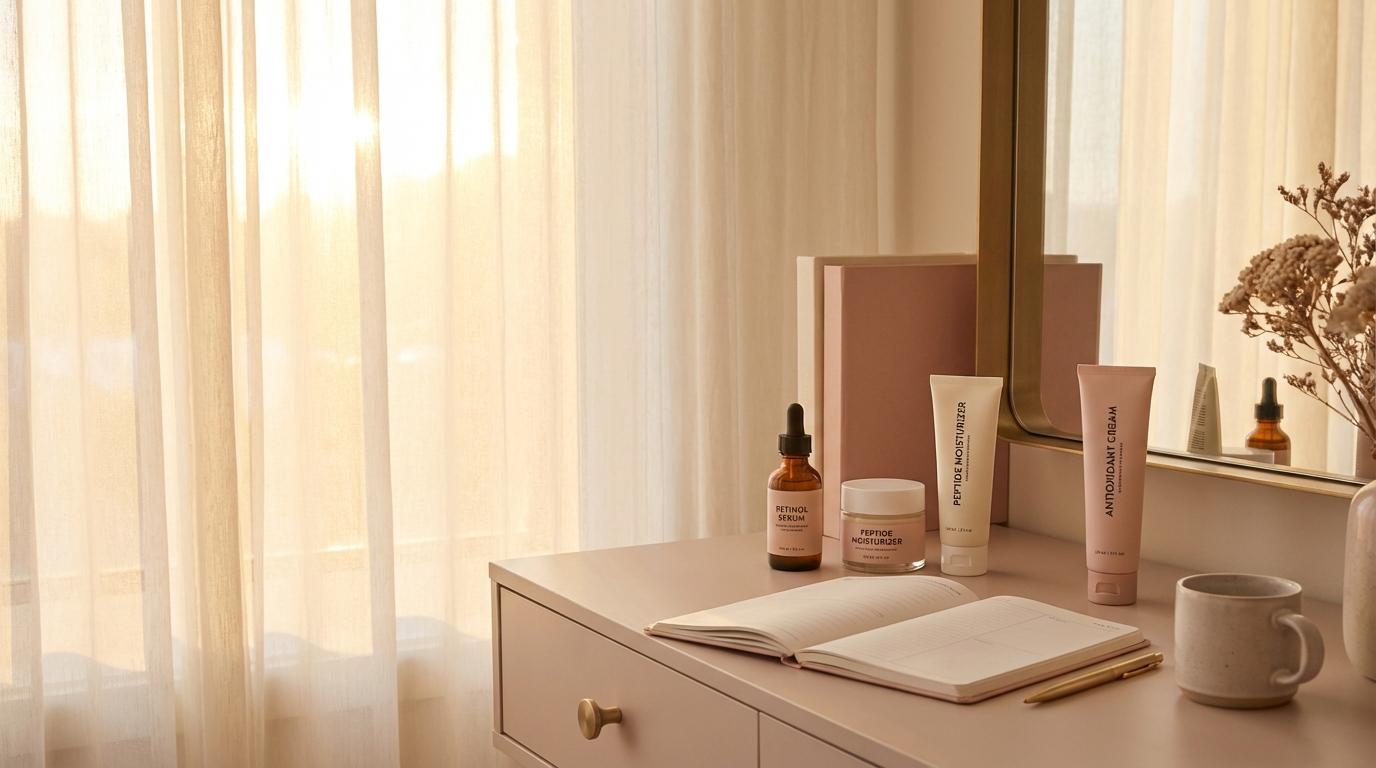
Spending a fortune on anti-aging products doesn’t make them work better. Most of the ingredients clinically proven to help mature skin are available at the drugstore for under $20. You just need to know what actually matters.
The skincare industry loves making you think you need a $200 serum to look decent after 40. That’s garbage. What you need is retinol, peptides, antioxidants, and sunscreen. All of which exist in affordable formulas that work.
Affordable Retinol That Actually Works
Retinol is non-negotiable for mature skin. It’s the only topical ingredient with decades of research proving it reduces fine lines, improves texture, and boosts collagen production.
The Ordinary Retinol 0.5% in Squalane costs about $7. Start there if you’re new to retinoids. The squalane base keeps it from being too harsh, and 0.5% is strong enough to see results without wrecking your skin barrier.
Once your skin tolerates that, move up to 1%. Same brand, still under $10. Use it three nights a week for a month, then every other night, then nightly if your skin handles it.
Packaging matters with retinol. Light and air degrade it fast. Stick with opaque bottles or airless pumps. The Ordinary’s dropper bottles aren’t ideal, but at that price point, you can replace them often enough that degradation won’t be a huge issue.
CeraVe Resurfacing Retinol Serum is another solid option at around $15. It includes ceramides and niacinamide, which help with the barrier support mature skin needs. The retinol percentage isn’t listed, but it’s estimated around 0.3%, making it gentler for sensitive skin.
Neutrogena Rapid Wrinkle Repair Retinol Oil costs about $20. It’s formulated with accelerated retinol SA, which the brand claims works faster. Realistically, all retinol takes 12 weeks minimum to show results. But the oil base is nice for drier mature skin.
Don’t waste money on retinol eye creams. The regular retinol products work fine around your eyes if you apply them carefully. Start farther from the orbital bone and work closer as your skin adjusts.
Budget Peptide Products Worth Buying
Peptides signal your skin to produce more collagen. They’re gentler than retinol, making them good for the nights you’re not using retinoids or for morning routines.
The Ordinary Buffet costs $17 and contains multiple peptide complexes plus hyaluronic acid. It’s basic, it’s boring, it works. Use it morning and night under moisturizer.
The Inkey List Collagen Peptide Serum is around $15. It combines peptides with vitamin C for extra brightening. Good for morning use under sunscreen.
Matrixyl is the peptide with the most research backing its effectiveness. Look for products listing palmitoyl pentapeptide-4 or Matrixyl 3000. The Ordinary’s Matrixyl 10% + HA costs about $13.
Olay Regenerist Micro-Sculpting Cream has been around forever because it actually works. It contains peptides, niacinamide, and hyaluronic acid. About $25 for a jar that lasts months. Not sexy, but effective.
RoC Retinol Correxion Deep Wrinkle Serum combines retinol and peptides for about $20. It’s a decent all-in-one if you want to simplify your routine.
Peptides won’t give you dramatic results overnight. Think of them as long-term maintenance, not quick fixes. Consistent use over months is what makes the difference.
Drugstore Antioxidants for Protection
Antioxidants protect your skin from environmental damage that speeds up aging. Vitamin C is the most researched, but vitamins E, ferulic acid, niacinamide, and green tea all matter.
Timeless Vitamin C + E Ferulic Acid Serum costs about $26 and is a direct dupe for the $180 SkinCeuticals version. Same 15% L-ascorbic acid concentration, same pH, same ferulic acid boost. Store it in the fridge to extend shelf life.
The Ordinary Ascorbyl Glucoside Solution 12% is $14 and more stable than pure vitamin C. It’s gentler but slower to show results. Good if L-ascorbic acid irritates your skin.
CeraVe Skin Renewing Vitamin C Serum costs around $18 and includes ceramides and hyaluronic acid. The vitamin C is encapsulated for better stability. It won’t oxidize as fast as pure L-ascorbic acid formulas.
Niacinamide is an underrated antioxidant that also strengthens your skin barrier. The Ordinary Niacinamide 10% + Zinc 1% costs $6. Use it morning and night. It helps with redness, uneven tone, and moisture retention.
Combining different antioxidants makes them more effective. Vitamin C and E work synergistically. So do vitamin C and ferulic acid. Layer them or find products that combine them.
La Roche-Posay Anthelios AOX Daily Antioxidant Serum is around $40, which is pricey for this list, but it combines multiple antioxidants in a formula designed to work under sunscreen. Worth considering if you want simplicity.
What to Prioritize With Limited Budget
If you can only afford three products, get these: retinol, sunscreen, and moisturizer. Everything else is extra.
Retinol does the heavy lifting for anti-aging. SPF 50 sunscreen every single day prevents new damage. A good moisturizer supports your skin barrier so the actives don’t wreck it.
For sunscreen, CeraVe Ultra-Light Moisturizing Lotion SPF 30 costs about $12 and won’t make you look greasy. Black Girl Sunscreen SPF 30 is around $16 and works well under makeup without white cast. Neutrogena Clear Face SPF 50 is $10 and won’t clog pores.
For moisturizer, CeraVe Moisturizing Cream in the tub is $18 for 19 ounces. It lasts forever and contains ceramides, hyaluronic acid, and cholesterol to repair your skin barrier. Use it at night over retinol.
Vanicream Daily Facial Moisturizer costs about $11 and is fragrance-free with minimal ingredients. Good for sensitive skin that reacts to everything.
Once you have those three locked down, add a vitamin C serum for mornings. Then add peptides if you want extra collagen support.
Skip expensive eye creams, neck creams, and targeted serums for every micro-concern. Use your face products on your neck and around your eyes. The skin there benefits from the same ingredients.
Don’t buy into “systems” that require you to use six products from the same brand. Mix and match based on what works and what you can afford. Your skin doesn’t care about brand loyalty.
What Actually Doesn’t Matter
Fancy packaging, celebrity endorsements, and impressive marketing copy don’t make products work better. The ingredient list and concentration matter. That’s it.
Most “luxury” anti-aging creams contain the same active ingredients as drugstore versions, just in prettier jars with higher price tags. You’re paying for the experience and branding, not better results.
Gold flakes, diamond powder, caviar extract, and other gimmicky ingredients sound impressive but have zero clinical evidence supporting anti-aging benefits. They’re marketing tricks.
“Clinically proven” claims mean nothing without seeing the actual study. Who funded it? How many participants? What were the results compared to placebo? Most brands won’t share that data because it’s not impressive.
The age range on the label is arbitrary. “Designed for women 50+” doesn’t mean it won’t work if you’re 45 or that it works better than products without age specifications. It’s just marketing to make you think you need age-specific formulas.
Natural and organic ingredients aren’t automatically better or gentler. Poison ivy is natural. Formaldehyde occurs in nature. “Clean beauty” is an unregulated marketing term that doesn’t guarantee safety or effectiveness.
Building Your Routine
Morning: cleanser, vitamin C serum, moisturizer, SPF 50 sunscreen. That’s it.
Evening: cleanser, retinol or peptide serum (alternate nights if you’re starting out), moisturizer. Done.
You don’t need a 10-step routine. You need consistent use of proven ingredients. Expensive serums layered six deep won’t give you better results than three solid products used daily.
Start with one active ingredient at a time. Add retinol first, give your skin four weeks to adjust, then add vitamin C if you want it. Adding everything at once makes it impossible to know what’s working or what’s causing irritation.
Mature skin tends to be drier, so don’t over-cleanse. A gentle cream or milk cleanser morning and night is enough unless you’re wearing heavy makeup. Foaming cleansers strip too much oil.
CeraVe Hydrating Facial Cleanser costs about $15 for a pump bottle and lasts months. Vanicream Gentle Facial Cleanser is $10 and even more basic. La Roche-Posay Toleriane Hydrating Gentle Cleanser is around $16 if you want something slightly fancier.
Realistic Expectations
Budget products work, but no product, expensive or cheap, will make you look 25 again. Skincare maintains what you have and slowly improves texture, tone, and fine lines. It doesn’t perform miracles.
Retinol takes 12 weeks minimum to show visible results. Peptides take longer, more like 6-12 months of consistent use. Vitamin C brightens in about 8-12 weeks if you’re using it daily.
Deep wrinkles, severe sagging, and significant volume loss won’t respond much to topical products. Those changes require cosmetic procedures. Skincare helps with prevention and subtle improvement, not reversal of major aging signs.
Your skin won’t look airbrushed and perfect. Real skin has texture, pores, and imperfections at every age. Good skincare makes it healthier and improves specific concerns, but it doesn’t create Instagram filter smoothness.
The difference between a $10 retinol and a $200 retinol is mostly packaging, marketing, and luxury experience. The retinol itself works the same if the concentration and formulation are comparable.
When to Spend More
Sometimes spending extra actually makes sense. Sunscreen is one area where you might want to invest in something you’ll actually wear every day. If the $12 drugstore option feels greasy and you skip it, a $35 formula you like better is worth it.
Vitamin C serums degrade fast. If you find a stabilized formula that lasts longer, the higher price per bottle might actually save money compared to replacing cheap versions that oxidize in six weeks.
If you have specific concerns like melasma, rosacea, or severe acne alongside aging, dermatologist-grade products might be necessary. But try the affordable options first. You might be surprised.
Professional treatments like chemical peels, laser resurfacing, or microneedling deliver results topical products can’t match. If your budget is limited, one professional treatment might be more effective than dozens of expensive creams. Save up for treatments instead of blowing money on overpriced serums.
But for daily maintenance and prevention, drugstore works fine. Consistency beats luxury every time. A $15 retinol used nightly gives better results than a $250 retinol serum that sits in your cabinet because you’re afraid to use it up.
The Bottom Line
Mature skin on a budget needs retinol, sunscreen, moisturizer, and optionally peptides and vitamin C. All of these exist in effective, affordable formulas under $25.
Read ingredient lists. Check for opaque packaging on unstable actives like retinol and vitamin C. Ignore age-targeted marketing and focus on what’s actually in the bottle.
Use products consistently for at least three months before deciding they don’t work. Take progress photos in the same lighting to actually see changes, because they’ll be gradual.
Don’t let beauty brands convince you that aging skin requires expensive solutions. The science behind anti-aging ingredients is available to everyone, regardless of price point. You just need to know where to look.
And if someone tells you their $400 face cream is the only thing keeping them looking young, they’re either lying or they’ve also had excellent genetics, sun protection habits, and probably some cosmetic work done. Don’t fall for it.