
It looks like tiny green leaves holding centuries of wisdom, and somehow that ancient knowledge has found its way into the small bottles lining your bathroom shelf. Centella asiatica, often called cica, tiger grass, or gotu kola, has been used for thousands of years in traditional medicine across Asia. Now it has quietly become one of the most beloved ingredients for anyone dealing with acne-prone skin that needs gentle, persistent care.
What Makes Centella Asiatica Special
This humble herb grows in wetlands throughout Asia, and its healing reputation stretches back through Ayurvedic, Chinese, and Indonesian traditional medicine. Legend has it that tigers would roll in centella asiatica to heal their wounds after battle, which is how it earned the name tiger grass. While we cannot verify ancient tiger behavior, what we can confirm is that modern science has caught up with traditional wisdom.
The magic lies in four key compounds called triterpenoids: asiaticoside, madecassoside, asiatic acid, and madecassic acid. These names might sound complicated, but their effects are beautifully simple. They work together to calm inflammation, support wound healing, and strengthen your skin barrier. For acne-prone skin, this combination addresses multiple concerns at once without overwhelming your face with harsh actives.
Wound Healing Properties That Acne Skin Craves
When a pimple finally fades, the real work of healing begins. Acne lesions are essentially tiny wounds, and how well your skin heals determines whether you are left with smooth skin or lasting marks. Centella asiatica excels at supporting this healing process in ways that feel almost nurturing.
Research shows that centella stimulates collagen synthesis and increases circulation to affected areas. This means your skin gets more of what it needs to rebuild itself properly. The triterpenoids in centella also help regulate the formation of new tissue, which can prevent the excessive scarring that sometimes follows inflammatory acne. Instead of your skin overreacting during the healing process, it responds with measured, balanced repair.
For those of us who have watched dark spots linger for months after a breakout, centella offers gentle support. It helps minimize post-inflammatory hyperpigmentation by calming the inflammatory response that triggers excess melanin production in the first place. The healing happens quietly, without drama, which feels refreshing when you have spent years fighting your skin.
Anti-Inflammatory Benefits for Calmer Skin
Acne is fundamentally an inflammatory condition. Those red, angry bumps that seem to appear overnight are your skin’s inflammatory response working overtime. Traditional acne treatments often fight fire with fire, using ingredients that can further irritate sensitive skin. Centella takes a different approach, one that aligns with a gentler philosophy of skincare.
The anti-inflammatory properties of centella work by inhibiting pro-inflammatory cytokines and enzymes like cyclooxygenase and lipoxygenase. In practical terms, this means less redness, less swelling, and less discomfort. When you apply a centella-rich product to inflamed skin, you might notice that calming sensation that makes you exhale with relief.
This soothing quality makes centella an excellent companion to other acne treatments. If you are using niacinamide or other actives for breakouts, centella can help buffer potential irritation while adding its own healing benefits. The two work together rather than competing, creating a more harmonious approach to clearing your skin.
Cica Products Explained
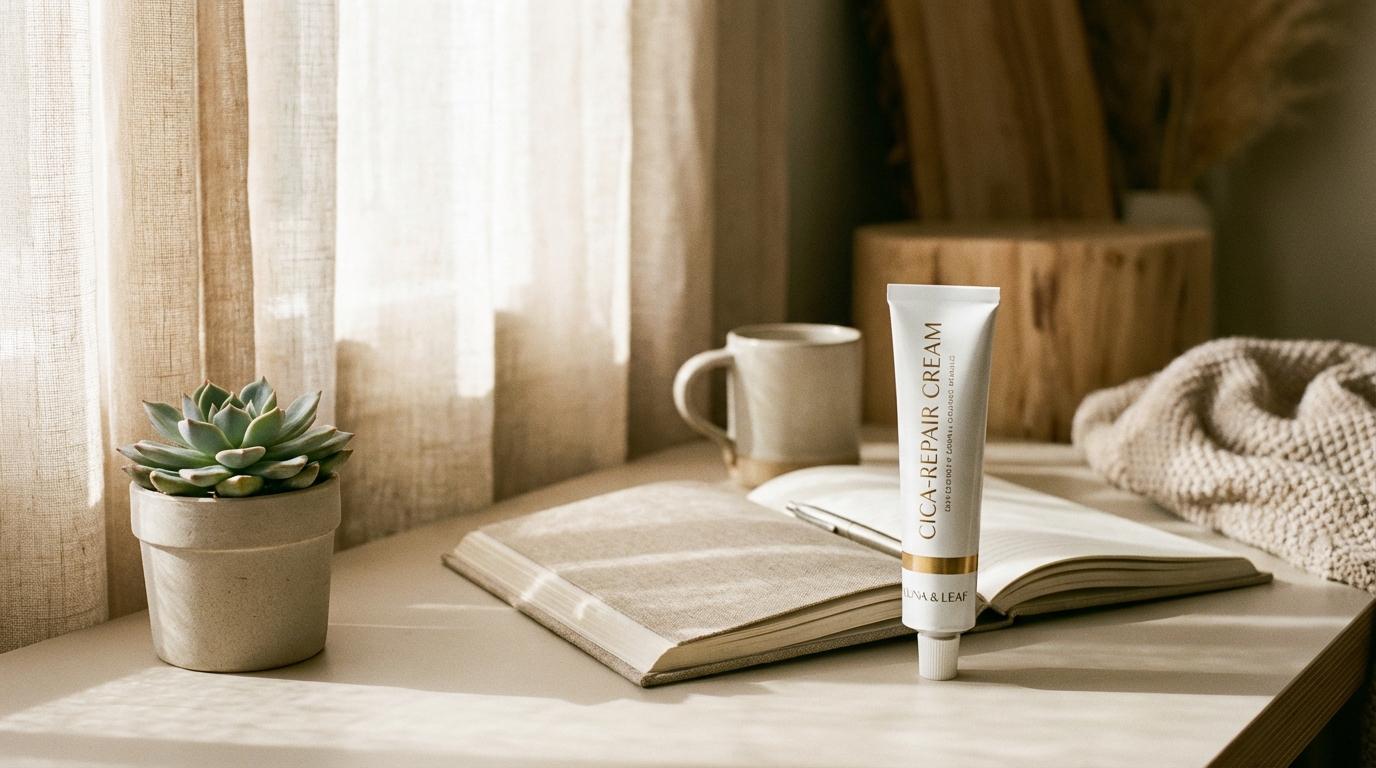
Walk through any beauty store or scroll through skincare retailers, and you will encounter an abundance of cica products. The term cica comes from cicatrizant, which means helping to heal wounds or form scars properly. When you see cica on a label, you are looking at a product featuring centella asiatica as a star ingredient.
Korean beauty brands pioneered the cica trend, creating everything from cica creams and serums to sheet masks and spot treatments. These products typically contain centella extract, one or more of the key triterpenoids, or sometimes a blend called TECA (titrated extract of centella asiatica) that concentrates the active compounds.
When choosing cica products, look at where centella or its derivatives appear in the ingredients list. Higher placement generally means a more significant concentration. Some products combine centella with other soothing ingredients like panthenol, madecassoside, or ceramides, creating formulas that deeply support skin recovery. For acne-prone skin, lighter textures like serums or gel creams often work better than heavy occlusives, though this depends on your individual needs.
A few product categories worth exploring include:
- Cica serums: Concentrated formulas that deliver centella’s benefits in a lightweight format, perfect for layering
- Cica creams: Richer formulas ideal for overnight healing or when your skin barrier feels compromised
- Spot treatments: Targeted products you can dab on active breakouts or healing blemishes
- Sheet masks: Weekly treatments for an extra dose of calming hydration
How to Incorporate Centella Into Your Routine
Adding centella to your skincare routine should feel like welcoming a calming presence rather than introducing another complicated step. The beauty of this ingredient is its versatility and gentleness. It plays well with others and rarely causes problems, making it suitable for even sensitive, reactive skin.
For beginners, starting with a cica serum or lightweight moisturizer makes sense. Apply it after cleansing and any water-based treatments, but before heavier creams or oils. If you are using active ingredients like retinol or chemical exfoliants, centella can be applied to help soothe any potential irritation. Many people find that using centella products in the evening supports overnight healing.
A gentle morning routine with centella might look like this: cleanse, apply a hydrating toner, follow with a cica serum, moisturize if needed, and finish with sunscreen. The evening version could include double cleansing if you wear makeup or sunscreen, your treatment products, and then a cica cream to support overnight recovery.
What makes centella particularly valuable is its compatibility with other acne-fighting ingredients. It can be layered with salicylic acid, benzoyl peroxide, and retinoids without causing additional irritation. In fact, many dermatologists recommend pairing active treatments with soothing ingredients like centella to maintain skin barrier health while addressing breakouts.
Managing Expectations With Centella
Centella asiatica is not a miracle ingredient that will clear your skin overnight. Nothing is. But it offers something perhaps more valuable: consistent, gentle support for skin that is trying to heal itself. Think of it less as a treatment and more as creating the right conditions for your skin to do its job well.
You might start noticing benefits within a few weeks of regular use. Existing breakouts may heal faster and leave less dramatic marks behind. New pimples might feel less inflamed and angry. Your overall skin texture could become calmer and more even. These changes happen gradually, which can make them easy to miss until you look back at where you started.
For those dealing with persistent redness and sensitivity alongside acne, centella can feel like finding an ingredient that finally understands what your skin needs. It addresses inflammation without stripping your barrier, supports healing without triggering more irritation, and provides comfort without feeling heavy or pore-clogging.
The Science Supporting Centella
While traditional use of centella asiatica spans thousands of years, modern research continues to validate its benefits for skin health. Studies have examined its effects on various dermatological conditions including acne, burns, atopic dermatitis, and wound healing.
Clinical research on centella for acne has shown promising results. The ingredient demonstrates antimicrobial properties that can help address acne-causing bacteria like Propionibacterium acnes. By inhibiting bacterial growth and reducing colonization within pores, centella helps prevent new breakouts while supporting the resolution of existing ones.
Research also indicates that centella helps regulate sebum production by modulating sebaceous gland activity. For those of us with oily, acne-prone skin, this gentle regulation can help maintain better oil balance without the dryness that comes from harsh treatments. Your skin produces what it needs rather than overcompensating for stripped oils.
Who Should Try Centella
Centella asiatica works well for almost everyone, which is part of its appeal. It is gentle enough for sensitive, acne-prone, or rosacea-prone skin, but even normal and combination skin can benefit from its hydrating, barrier-supporting properties. If you have reactive skin that tends to protest when you introduce new products, centella is often well-tolerated.
Those who might particularly benefit include anyone dealing with inflammatory acne, those prone to post-inflammatory hyperpigmentation or scarring, people with compromised skin barriers from overusing active ingredients, and anyone looking to add more soothing elements to their routine. If you have been struggling with irritated, sensitive skin while trying to address breakouts, centella could be the calming influence your routine needs.
The minimalist approach to skincare suggests that sometimes what your skin needs is not more aggressive treatment but more support. Centella embodies this philosophy beautifully. It does not force your skin into submission but rather encourages it toward balance and healing at its own pace.
Final Thoughts on This Ancient Healer
In a world of skincare ingredients competing for attention with bold claims and instant results, centella asiatica offers something quieter but no less valuable. It represents a gentler approach to caring for acne-prone skin, one that prioritizes healing over fighting and support over stripping.
Adding centella to your routine is like giving your skin permission to heal at its own pace while providing the nutrients and compounds it needs to do so effectively. Whether you choose a dedicated cica product or look for centella in your existing favorites, this ingredient brings centuries of traditional wisdom backed by modern science to your skincare shelf.
Your skin has the capacity to heal itself. Sometimes it just needs the right support to do so. Centella asiatica might just be that gentle, encouraging presence your acne-prone skin has been waiting for.