
I used to think my chin had a personal vendetta against me every single month. Like clockwork, a few days before my period, my chin and jawline would erupt into painful, under-the-skin bumps that no amount of spot treatment could touch. It took me way too long to connect the dots between my cycle and these specific breakouts.
If this sounds familiar (and I’m guessing it does, since you clicked on this), you’re dealing with hormonal acne. And the chin? That’s basically hormonal acne’s favorite vacation spot.
Why Your Chin Specifically Gets Hit
Your face is basically a map of what’s going on inside your body, and the lower third of your face (chin, jawline, sometimes neck) is particularly responsive to hormonal fluctuations. This isn’t some wellness influencer pseudoscience either. There’s actual biology behind it.
The skin around your chin and jaw has more hormone receptors than other areas of your face. When your hormone levels shift (which they absolutely do before your period), these receptors pick up on the changes and can trigger increased oil production and inflammation in that zone.
Specifically, androgens are the culprits here. Right before your period, estrogen and progesterone drop, which makes the androgens in your system relatively more dominant. Androgens stimulate your sebaceous glands to produce more oil. More oil plus the inflammation that comes with hormonal shifts equals those deep, painful bumps that feel like they’re setting up permanent residence on your chin.
The Hormonal Acne Timeline (AKA Why It’s Predictable)
The slightly good news about hormonal chin acne is that it follows a pattern. Once you recognize the pattern, you can actually do something about it. (We’ll get to that.)
About a week before your period: This is when those hormone levels start shifting. You might not see anything on your skin yet, but the process is already starting underneath.
3-5 days before your period: This is when breakouts typically start showing up. First as those tender spots you can feel but not see, then as actual visible bumps.
During your period: The breakouts often peak in the first few days. Some people get a second wave mid-period.
After your period ends: As estrogen starts rising again, your skin usually calms down. Those stubborn spots start healing (finally).
If you’re also dealing with stress on top of hormonal fluctuations, the breakouts can be even more intense. Stress hormones and menstrual hormones are basically a terrible duo for your skin.
The Jawline and Chin Connection
When we talk about hormonal acne locations, we’re really talking about the whole lower face region. Some people get it mostly on the chin. Some get it along the jawline. Many get both (lucky us).
The jawline can be particularly frustrating because:
- Hair can irritate the area and trap bacteria
- It’s a spot that often rests against your hand when you’re thinking/scrolling/dying of boredom in meetings
- Phone use puts bacteria and pressure right on your jawline
- Pillowcases. Just… pillowcases. (Please change yours more often, I’m begging)
So while hormones set the stage for these breakouts, your daily habits can definitely make them worse or more frequent.
Prevention Timing Strategies That Actually Work
Okay, this is the part you probably came here for. How do you stop these monthly chin invasions before they happen?
The key is working WITH your cycle instead of just reacting to breakouts after they appear. (Revolutionary concept, I know.)
Week 1-2 of your cycle (during and right after your period): This is when your skin is usually at its calmest. Focus on maintenance and repair. Use gentle exfoliants to keep pores clear. This is also a good time for any stronger treatments since your skin can handle more when it’s not already irritated.
Week 3 (ovulation and the few days after): Your skin might actually be looking pretty good here. Enjoy it. But start preparing for what’s coming. Make sure you’re not slacking on your routine.
Week 4 (the danger zone, AKA luteal phase): This is go time for prevention. About 7-10 days before your expected period, adjust your routine:
- Add salicylic acid to your routine if you don’t already use it (it penetrates oil and prevents clogged pores)
- Consider using benzoyl peroxide as a spot treatment on areas prone to breaking out, even before you see anything
- Avoid heavy, occlusive products on your chin and jawline
- Be extra diligent about not touching your face
- Some people find reducing dairy and high-glycemic foods during this week helps (your mileage may vary)
The timing thing is important. If you wait until you see a pimple, you’re already behind. Those bumps started forming days ago under the surface. Prevention means treating skin before the breakout is visible.
What to Do When the Breakout Happens Anyway
Because let’s be real, prevention doesn’t always work. Sometimes your hormones just win.
For those deep, under-the-skin bumps that are so common with hormonal chin acne:
- Don’t try to pop them. I cannot stress this enough. These aren’t regular pimples with a visible head. They’re deep inflammatory cysts, and attempting to squeeze them will make them worse, last longer, and potentially scar. If you struggle with this (no judgment, we all have), read up on when you actually can extract vs when you absolutely shouldn’t.
- Ice them. Wrap an ice cube in a thin cloth and hold it against the bump for 5-10 minutes. This can reduce inflammation and pain.
- Use a benzoyl peroxide treatment. The 2.5% concentration is often enough and less irritating than higher percentages.
- Pimple patches can help. The hydrocolloid kind won’t magically make deep cysts disappear, but they protect the area from your hands and can reduce inflammation.
When Hormonal Acne Needs More Than Topicals
Real talk: sometimes no amount of salicylic acid and timing strategies is enough. Hormonal acne can be stubborn, and if it’s significantly impacting your life, there are more options.
Signs you might want to see a dermatologist or doctor:
- Your breakouts are leaving scars (those dark marks or textured spots)
- OTC treatments aren’t making a dent after 2-3 months of consistent use
- Your acne is painful and affecting your quality of life
- You’re also experiencing other hormonal symptoms like irregular periods, excess hair growth, or hair loss
- You’ve tried timing your skincare around your cycle and still get significant breakouts
Treatments a doctor might suggest:
- Spironolactone: This is an anti-androgen medication that’s commonly prescribed for hormonal acne in women. It basically blocks the effect of androgens on your skin. Many people see significant improvement.
- Birth control: Certain types of hormonal birth control can help regulate the hormone fluctuations that cause these breakouts. Not all birth control helps acne though, and some can make it worse, so this is definitely a conversation to have with your doctor.
- Topical retinoids: Prescription-strength retinoids like tretinoin can help with acne and also address any scarring that’s happening.
- Other prescription topicals: There are various prescription-strength options your dermatologist might recommend based on your specific situation.
The point is, you don’t have to just accept monthly chin explosions as an unavoidable part of having a menstrual cycle. There are actual solutions.
Lifestyle Factors That Can Help (Or Hurt)
I’m not going to tell you that drinking more water will cure your hormonal acne (it won’t). But there are some lifestyle factors that can influence how bad these breakouts get:
Sleep: Lack of sleep increases cortisol, which can worsen hormonal acne. It also reduces your skin’s ability to heal. I know you’ve heard this a million times but getting enough sleep during your luteal phase can genuinely help.
Exercise: Regular exercise can help regulate hormones, but make sure you’re washing your face after sweating. And change out of sweaty clothes, especially if they touch your jawline (hello, mask acne flashbacks).
Diet: The connection between diet and acne is complicated and highly individual. Some people find that reducing dairy or high-glycemic foods helps their hormonal acne. Others don’t notice a difference. If you want to experiment, try eliminating one thing at a time and track your skin over 2-3 cycles to see if there’s a real pattern.
Stress management: Easier said than done, obviously. But chronic stress keeps cortisol elevated, which amplifies the effects of hormonal fluctuations on your skin. Whatever helps you manage stress (that isn’t picking at your skin, please) is worth prioritizing.
Tracking Your Cycle for Better Skin
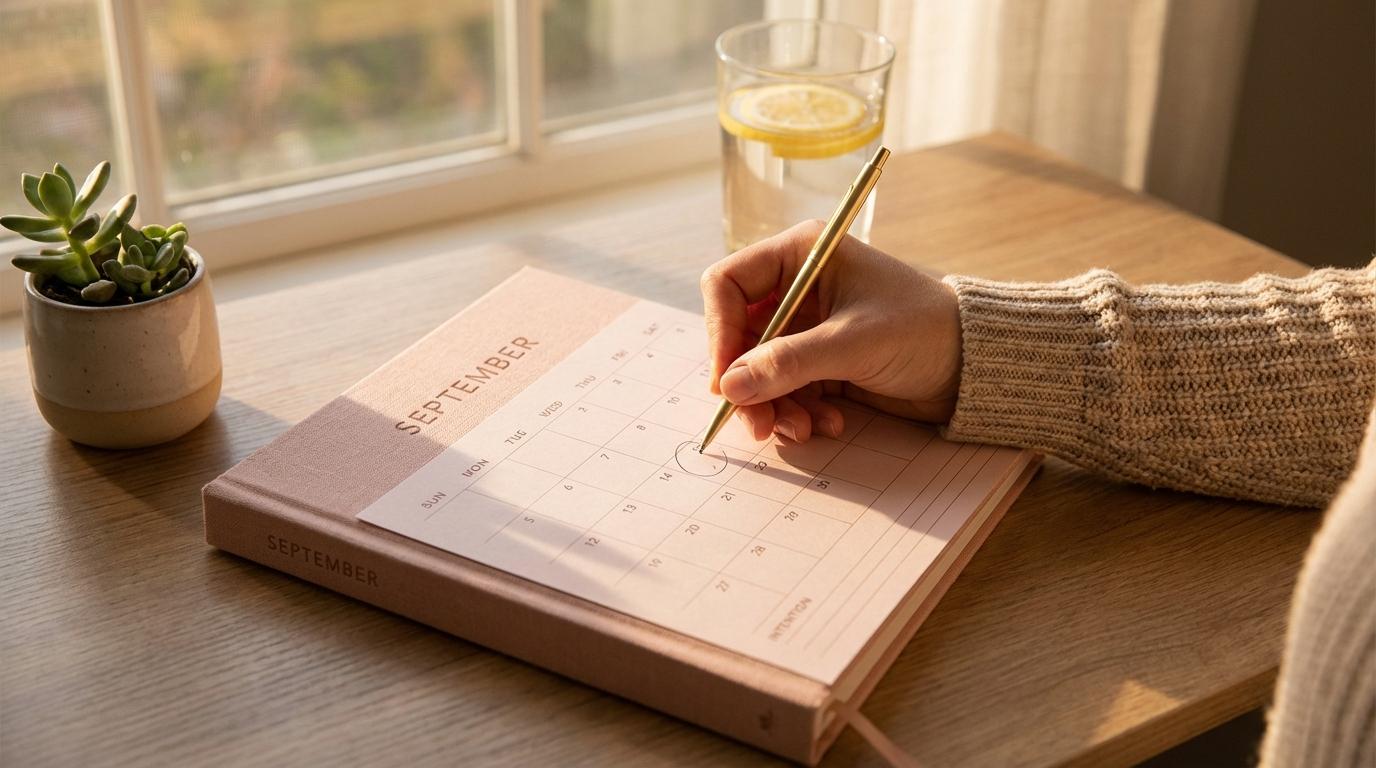
If you’re not already tracking your cycle, starting now can be super helpful for managing hormonal acne. You don’t need a fancy app (though those exist if you want them). Even just noting on your calendar when your period starts and when you notice breakouts can help you see the pattern.
After a few months of tracking, you’ll know exactly when to expect the breakouts and can time your prevention strategies accordingly. Knowledge is power, or in this case, knowledge is slightly fewer chin pimples.
The Bottom Half of Your Face Doesn’t Define You (But I Get It)
Monthly hormonal breakouts are frustrating and sometimes painful. It’s completely valid to want clear skin and to feel annoyed when your chin has other plans every month.
But also: almost everyone who menstruates deals with some version of this. You’re not doing something wrong. Your skin isn’t broken. It’s just responding to a completely normal biological process in a way that happens to be visible and annoying.
Focus on what you can control (timing your routine, not picking, seeing a doctor if needed) and try to give yourself some grace during those luteal phase breakout weeks. Your skin will calm down. It always does. And then you have a few weeks of peace before the cycle starts again.
(Is it a perfect system? No. But at least it’s predictable. And there’s something weirdly comforting about that.)