
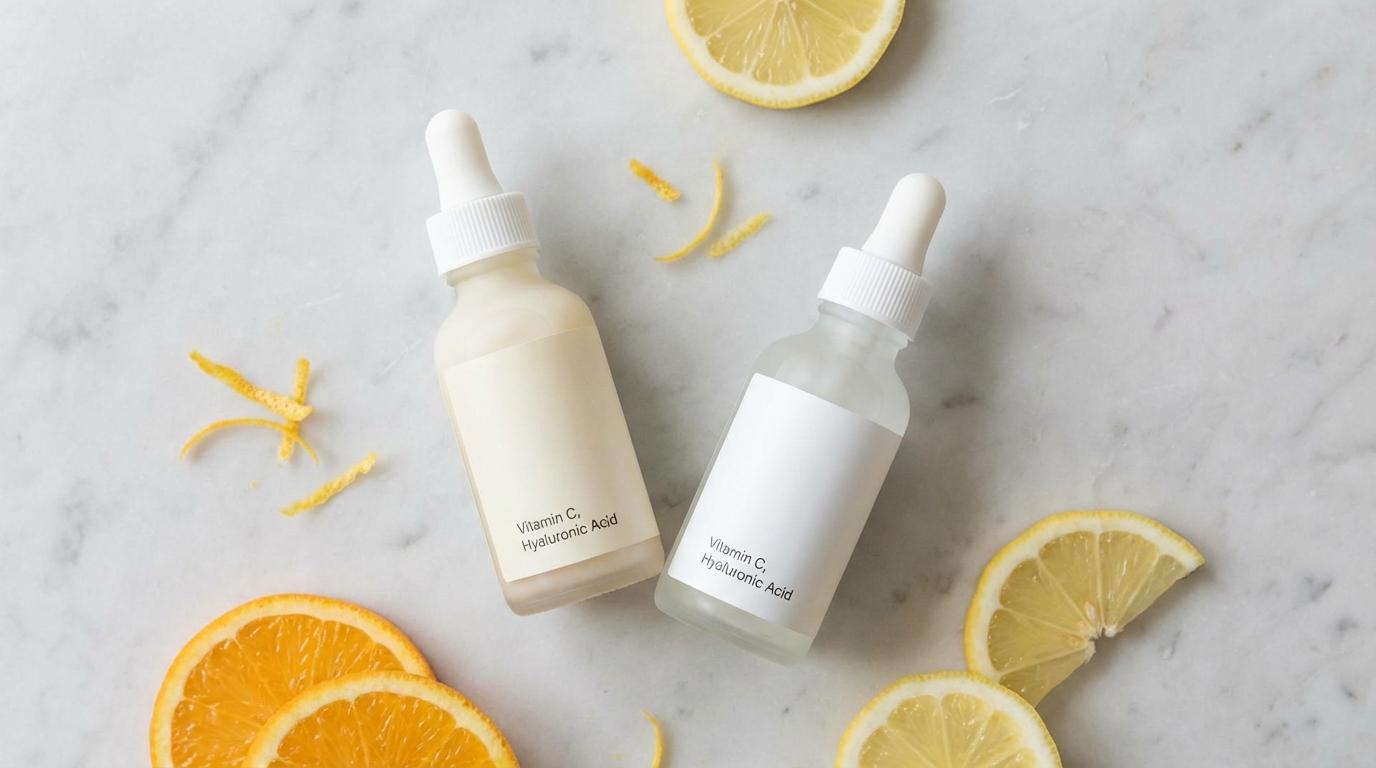
Buying generic skincare feels a lot like ordering the store-brand cereal as a kid: slightly embarrassing, vaguely suspicious, but secretly just fine. I spent way too long assuming that drugstore dupes couldn’t possibly match the fancy stuff with minimalist packaging and French-sounding names. Spoiler: I was mostly wrong. After digging through ingredient labels, FDA guidelines, and actual concentration data, I’m here to break down what’s really different between generics and brand names, and when it actually matters for your skin.
How Generic Skincare Gets Made
Generic skincare isn’t some sketchy knockoff made in a basement. Most generic products come from the same contract manufacturers that produce name-brand items. These facilities follow the same FDA cosmetic regulations whether they’re bottling a $9 retinol serum or a $90 one.
The main difference? Marketing budgets and packaging. When you buy a name brand, a significant chunk of that price tag goes toward advertising campaigns, influencer partnerships, and that satisfying magnetic closure on the box. Generic brands skip most of that and pass the savings to you.
Contract manufacturing is huge in the beauty industry. Companies like Cosmax, Intercos, and Kolmar produce products for dozens of brands across every price point. Your favorite high-end moisturizer might literally share a production line with its drugstore competitor.
What the FDA Actually Requires
Unlike pharmaceuticals, cosmetics (including most skincare) don’t need FDA approval before hitting shelves. The FDA’s cosmetic labeling requirements focus on safety and accurate ingredient disclosure rather than proving effectiveness.
Every skincare product sold in the US must:
- List ingredients in descending order of concentration (for anything above 1%)
- Include the manufacturer’s contact information
- Display accurate net contents
- Avoid misleading claims
This means both generic and brand-name products follow identical labeling rules. If a generic lists the same active ingredients in the same order as a name brand, the concentrations are likely similar. Products with less than 1% concentration can be listed in any order, which is where things get murky, but we’ll get to that.
The Modernization of Cosmetics Regulation Act (MoCRA) from 2022 added new requirements that took effect in 2024, including mandatory adverse event reporting and facility registration. As of January 2025, over 589,000 cosmetic products are registered with the FDA. These rules apply equally to budget and luxury brands.
Ingredient Concentration: The Tricky Part
Here’s where the generic versus brand debate gets interesting. While ingredients must be listed in order of predominance, exact percentages aren’t required on labels. A serum advertising “vitamin C” could contain 20% L-ascorbic acid or 0.5% of a vitamin C derivative. Without testing, you can’t always tell from the packaging alone.
Independent testing labs like INCIDecoder and consumer advocacy groups occasionally test products and publish concentration data. What they’ve found is surprising: some drugstore products actually contain higher concentrations of active ingredients than their luxury counterparts.
When comparing products, look at:
- Active ingredient position: Is it in the first five ingredients or buried at the bottom?
- Specific form: “Retinol” versus “retinyl palmitate” matters more than brand name
- Vehicle ingredients: What’s delivering the actives to your skin?
- pH levels: Critical for acids and vitamin C to work effectively
When Brand Name Actually Matters
I’m not here to tell you that all generics are perfect substitutes. There are situations where spending more makes sense.
Prescription-strength formulas: When you need tretinoin, adapalene, or other regulated ingredients, the formulation consistency of established pharmaceutical brands provides more predictable results. Generic prescription medications undergo rigorous FDA approval, but OTC skincare doesn’t have that oversight.
Sensitive skin formulations: Some luxury brands invest heavily in fragrance-free, irritant-free formulations developed with dermatologists. If you have rosacea, eczema, or reactive skin, the extra testing and gentle bases might be worth it. Understanding your skin barrier can help you choose products that won’t cause irritation, regardless of price point.
Novel delivery systems: Patented encapsulation technologies, time-release formulas, and advanced penetration enhancers do exist. Brands like SkinCeuticals put significant R&D into making their vitamin C serum more stable and absorbable. Once patents expire, generics can replicate these, but there’s usually a lag.
Texture and experience: If you genuinely enjoy your skincare routine more with a product that smells amazing and feels luxurious, that’s valid. Compliance matters, and you’re more likely to use products you enjoy.
Where Generics Win Every Time
For basic, well-established formulas, generics are usually just as effective:
Benzoyl peroxide: Whether it’s 2.5% from Neutrogena or a generic store brand, benzoyl peroxide works the same. The molecule doesn’t know what bottle it came from.
Salicylic acid: A 2% salicylic acid cleanser from Target’s generic brand performs identically to one from a boutique acne brand charging four times the price.
Basic moisturizers: Ceramides, glycerin, and hyaluronic acid are commoditized ingredients. CeraVe became popular precisely because it proved fancy packaging wasn’t necessary for effective hydration.
Sunscreen: FDA regulates sunscreen as an over-the-counter drug, meaning SPF claims must be verified. A generic SPF 50 provides the same UV protection as a designer SPF 50.
My Budget Strategy
After years of comparing labels and tracking results, here’s how I actually shop:
I go generic for cleansers, basic moisturizers, and any single-ingredient product (pure squalane, straight hyaluronic acid, basic niacinamide). These are simple formulas where there’s no secret sauce.
I spend more on treatment products where formulation complexity matters. My vitamin C serum, retinoid, and targeted serums come from brands with published concentration data and stability testing. Even then, I look for “affordable premium” brands rather than true luxury.
I always compare ingredient lists directly. If a $12 serum has the same first seven ingredients as a $60 one, I try the cheaper version first. If it works, I’ve saved $48. If it doesn’t, I’ve only lost $12.
How to Test for Yourself
The only way to know if a generic works for your specific skin is to try it. Here’s how to do it wisely:
Patch test first. Apply a small amount to your inner arm or behind your ear for a few days before putting anything new on your face.
Give it time. Most skincare needs 4 to 8 weeks to show results. Switching products too quickly makes it impossible to evaluate what’s actually working.
Take photos. Our memories are unreliable. Snap a pic in the same lighting every week to track real changes.
Change one thing at a time. If you swap your entire routine for generics and break out, you won’t know which product caused it.
Reading Labels Like a Pro
When evaluating generic versus brand name, focus on what the ingredient list actually tells you:
The first five ingredients make up the majority of the product. Everything after the 1% line (usually preservatives, fragrance, and trace ingredients) matters less for efficacy.
Look for specific active forms. “Niacinamide” is the same whether it costs $5 or $50. “Vitamin B3 complex” could mean anything.
Check for stabilizers if you’re buying acids or vitamin C. Ferulic acid and vitamin E often indicate a more stable formulation.
Watch for filler positioning. If water, glycerin, and silicones dominate the top five spots before any actives appear, you’re mostly paying for texture.
The Honest Answer
Generic skincare isn’t automatically inferior, and brand-name products aren’t automatically superior. The beauty industry has spent billions convincing us that higher prices mean better results, but the chemistry doesn’t always support that.
Your best approach is informed skepticism. Read ingredients, understand what concentrations you need, and don’t assume pretty packaging equals effective formulas. Start with affordable options for simple products, and save your budget for the complex treatments where formulation expertise genuinely matters.
Being strategic about where you spend and where you save means you can afford a comprehensive routine without going broke. That’s not settling for less. That’s being smart with your money.