
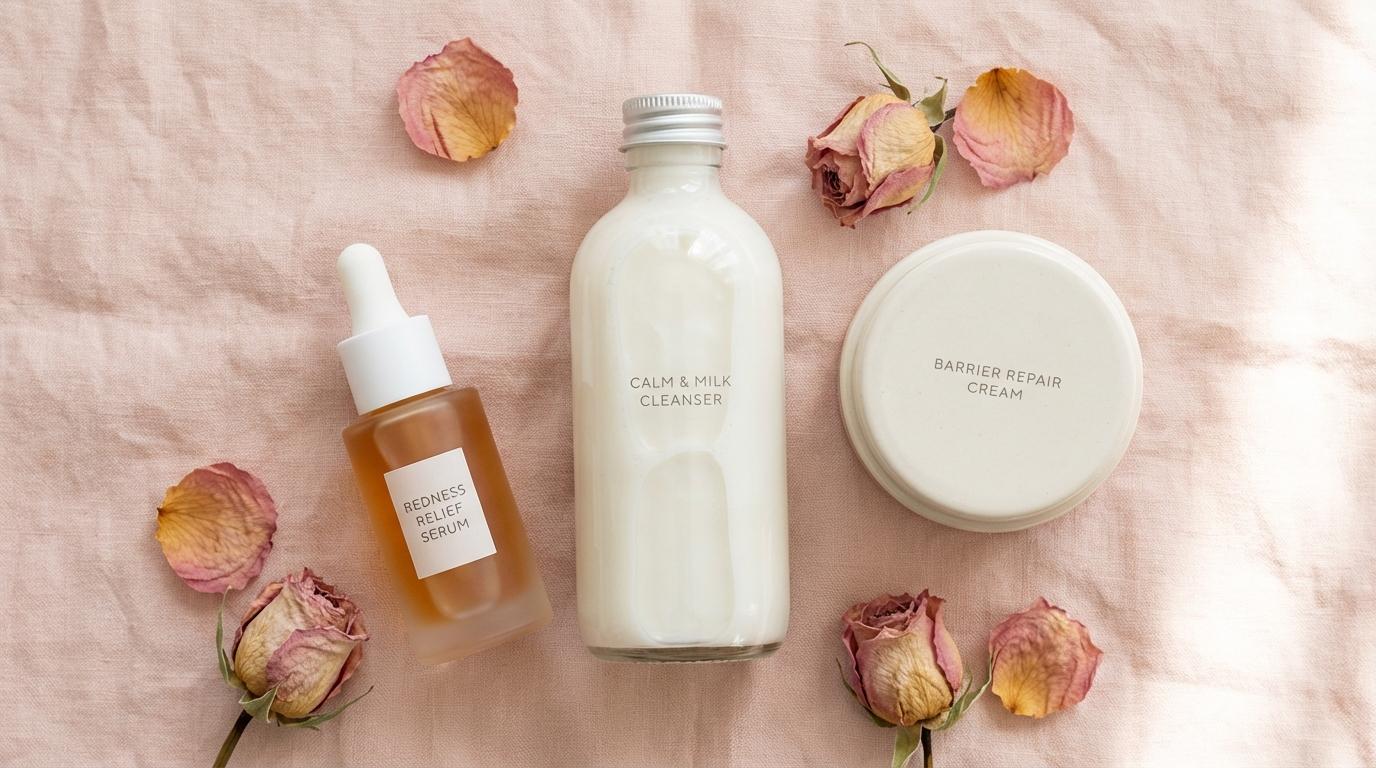
If your skin flushes at the slightest provocation, you already know how frustrating it can be. A warm room, a spicy meal, the wrong product, and suddenly your cheeks are on fire. Building a routine for redness-prone skin requires patience and intentionality. But once you find your rhythm, calm skin becomes the norm rather than the exception.
The good news is that redness-prone skin does not need a complicated routine. In fact, the simpler you keep things, the better your results will likely be. Let me walk you through a gentle approach that works.
Understanding What Triggers Your Skin
Redness-prone skin is essentially skin that overreacts. The blood vessels near the surface dilate more easily than they should, creating that flushed look. For some people, this is temporary. For others, it can become a more persistent concern.
Common triggers include temperature changes, sun exposure, alcohol, spicy foods, stress, and certain skincare ingredients. Everyone has different triggers, so paying attention to what sets your skin off is the first step toward managing it.
Ingredients that commonly irritate reactive skin include alcohol (denatured), fragrance, essential oils, menthol, and harsh surfactants like sodium lauryl sulfate. The American Academy of Dermatology recommends keeping a diary of flare-ups to identify your personal triggers.
Choosing Gentle Products That Actually Work
When it comes to redness-prone skin, what you leave out matters as much as what you include. Start with a gentle, fragrance-free cleanser. Look for creamy or milky formulas rather than foaming ones, which tend to be harsher.
Micellar water is another excellent option, especially for mornings when a full wash feels like too much. Just be sure to rinse it off rather than leaving it on your skin, as some formulas can be irritating if left behind.
For moisturizers, stick to simple formulas with soothing ingredients. Ceramides help repair the skin barrier, which is often compromised in redness-prone skin. Centella asiatica, sometimes called cica, has been shown to calm inflammation and support healing. Research published in the Indian Journal of Pharmaceutical Sciences confirms centella wound-healing and anti-inflammatory properties.
Niacinamide at concentrations around 4 to 5 percent can help strengthen the skin barrier and reduce redness over time. Azelaic acid is another ingredient worth considering, as it targets both redness and uneven skin tone without causing irritation for most people.
Application Techniques That Make a Difference
How you apply products is nearly as important as what you apply. Aggressive rubbing and tugging at your skin can trigger redness all on its own.
Use your fingertips and the gentlest possible pressure. Pat or press products into your skin rather than rubbing them in. Think of your application as more of a gentle massage than a scrubbing motion.
Lukewarm water is your friend. Hot water dilates blood vessels and can leave your face looking like you just ran a marathon. Cold water, while temporarily constricting, can also be shocking to reactive skin. Room temperature or slightly warm water strikes the right balance.
When drying your face, pat gently with a soft towel rather than rubbing. Better yet, let your skin air dry for a minute before applying your next product. This gives your skin a moment to settle.
The Temperature Connection
If you notice your skin gets redder in certain environments, temperature regulation might be part of your solution. Hot yoga, saunas, and even long hot showers can trigger prolonged flushing.
During exercise, try to keep a cool towel nearby. Some people find that working out in air conditioning or during cooler parts of the day helps minimize post-workout redness.
In winter, extreme cold can also be a trigger. Wind and low humidity strip moisture from the skin, weakening the barrier and making redness worse. A good moisturizer and maybe a scarf over your face on brutally cold days can help.
The National Rosacea Society has an extensive list of environmental triggers and management strategies worth exploring.
A Simple Routine to Start With
If you are building a routine from scratch, start with just three products: a gentle cleanser, a calming moisturizer, and a mineral sunscreen.
In the morning, splash your face with lukewarm water or use micellar water if you prefer. Apply your moisturizer while your skin is still slightly damp. Finish with a mineral sunscreen containing zinc oxide, which has natural anti-inflammatory properties and sits on top of the skin rather than absorbing into it.
At night, cleanse with your gentle cleanser to remove sunscreen and daily buildup. Follow with moisturizer. That is it.
Once your skin is stable with this basic routine, you can consider adding one treatment product at a time. Azelaic acid in the evening is a good first addition for many people. Give each new product at least two weeks before deciding if it works for you.
When to Consider Professional Help
If your redness is persistent, accompanied by visible blood vessels, or causes discomfort like stinging and burning, it might be worth talking to a dermatologist. Conditions like rosacea require more targeted treatment than regular skincare can provide.
DermNet NZ offers a comprehensive overview of rosacea symptoms and treatment options if you want to learn more before scheduling an appointment.
Prescription treatments like metronidazole gel or low-dose oral antibiotics can make a significant difference for some people. There is no shame in needing medical support for your skin.
Patience Is Part of the Process
Calming redness-prone skin is not a quick fix. It takes time for your skin barrier to repair and for inflammation to settle down. You might not see dramatic improvements for several weeks.
Resist the urge to add multiple new products at once or to try something more aggressive when results seem slow. Reactive skin needs consistency and gentleness above all else.
The goal is not perfection. Some amount of natural color in your face is healthy and normal. The goal is comfortable skin that does not overreact to everyday situations. With the right routine and a bit of patience, that goal is absolutely achievable.