
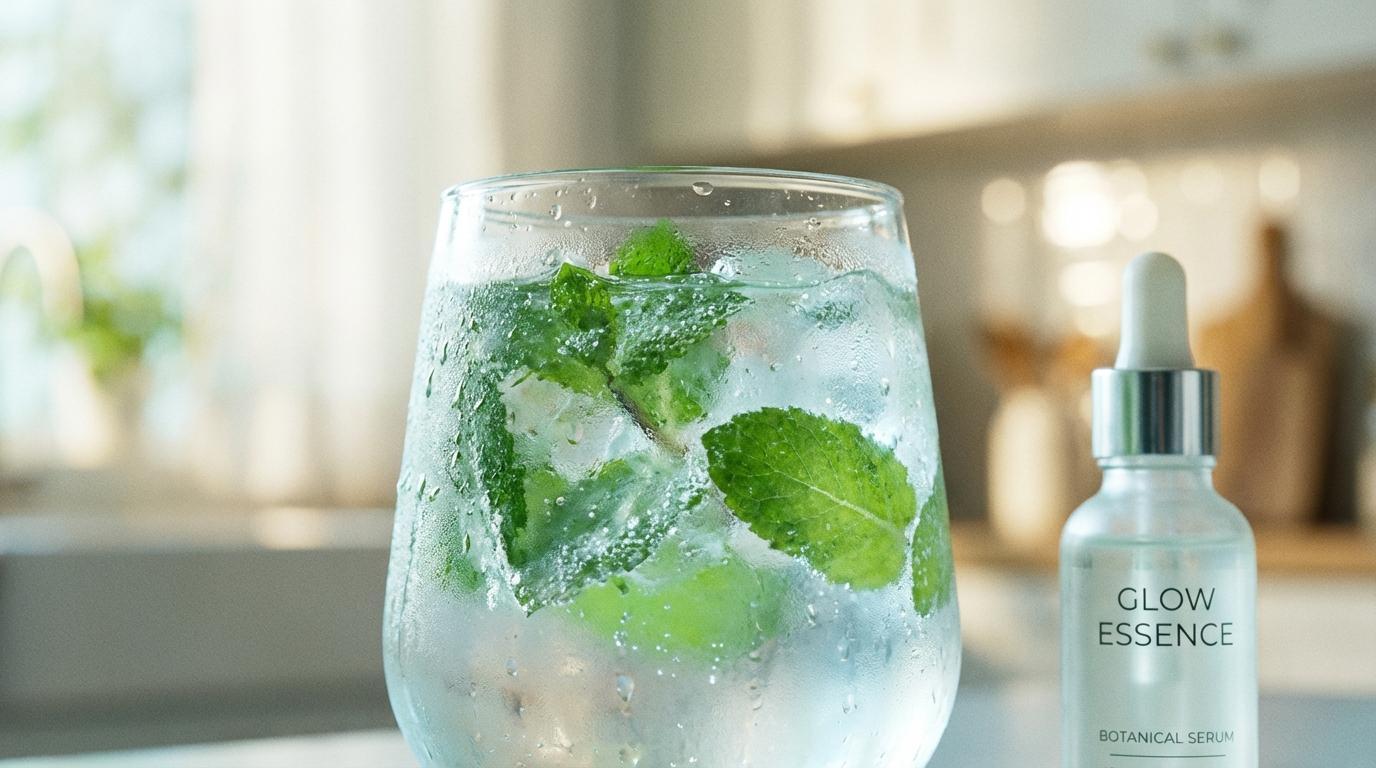
That icy rush you feel when menthol hits your face isn’t what it seems. It’s not actually cooling your skin or helping anything heal. The sensation is a trick your nerves are playing on you.
What Menthol Actually Does
Menthol activates cold-sensitive receptors in your skin called TRPM8. These receptors tell your brain “this is cold” even though your skin temperature stays exactly the same. Your skin feels frozen, but nothing is actually happening at a therapeutic level.
This compound shows up everywhere in skincare: cleansers, toners, lip balms, aftershaves, foot creams, and anti-itch products. Brands love it because that instant tingle makes you feel like the product is working. Spoiler: the sensation and the effectiveness are two completely different things.
Menthol is derived from peppermint oil or synthesized in a lab. Both versions behave identically on skin. “Natural” menthol from actual mint carries the same risks as the synthetic kind.
When That Tingle Turns to Trouble
Sensitive skin and menthol rarely get along. Here’s what can go wrong.
Contact dermatitis. Repeated exposure to menthol can trigger allergic reactions. Red patches, itching, and burning that doesn’t go away when you rinse the product off. The American Contact Dermatitis Society has flagged menthol as a common allergen in cosmetics. According to research published in the Journal of Clinical and Aesthetic Dermatology, menthol ranks among frequently reported fragrance allergens in skincare.
Barrier disruption. Menthol can strip away protective oils from your skin barrier, leaving you more vulnerable to irritation from other products. If you’ve ever used a menthol product and then applied something else that suddenly stings when it never did before, this is why.
Increased sensitivity to sun. Some evidence suggests menthol may increase photosensitivity. Using menthol-heavy products during the day could make your skin more reactive to UV exposure.
Worse for existing conditions. If you’re dealing with rosacea, eczema, or active breakouts, menthol is likely to aggravate these issues. The inflammation response it triggers in sensitive skin can extend healing time and increase redness. Anyone working on calming redness should avoid menthol completely.
Who Should Avoid Menthol
Skip menthol products if you have:
- Rosacea or chronic redness
- Eczema or atopic dermatitis
- A damaged skin barrier
- Frequent allergic reactions to skincare
- Sensitive skin that reacts to most actives
Even if you don’t fall into these categories, pay attention to how your skin responds. That “fresh” feeling can mask real irritation happening underneath.
Reading Labels for Hidden Menthol
Menthol doesn’t always appear as “menthol” on ingredient lists. Watch for these names:
- Menthol
- Menthyl lactate
- Menthone glycerin acetal
- Peppermint oil (Mentha piperita)
- Mint extract
- Spearmint oil
- Menthoxypropanediol
Products marketed as “cooling” or “refreshing” or “icy” almost always contain menthol or a menthol derivative. That language is code for “this will tingle.”
Cooling Alternatives That Won’t Irritate
If you love the cooling sensation but not the irritation, several ingredients can deliver a similar experience without the downsides.
Aloe vera. Provides genuine cooling and anti-inflammatory benefits. Store your aloe gel in the fridge for extra refreshment. Unlike menthol, aloe actually calms irritated skin instead of triggering more inflammation.
Cucumber extract. Naturally soothing with mild cooling properties. Works well for puffy eyes and irritated skin. No nerve-tricking required.
Green tea extract. Loaded with antioxidants and mildly cooling. Also helps with reducing redness over time. The polyphenols in green tea protect against environmental damage while calming inflammation.
Centella asiatica (cica). A powerhouse for calming skin. Creates a soothing sensation without any tingling. Perfect for post-sun care or irritated skin days.
Thermal spring water. Brands like Avene and La Roche-Posay use this for instant refreshment. Keep a bottle in the fridge and mist throughout the day.
Refrigerator storage. The simplest trick: store your favorite serums and moisturizers in the fridge. Real cold, real soothing, no fake cooling agents needed. Your skin gets actual temperature reduction instead of a chemical illusion.
Products Where Menthol Makes More Sense
Menthol isn’t universally terrible. In some contexts, it works fine.
Foot products. The skin on your feet is thicker and less reactive. Menthol in foot creams can provide satisfying relief without the same irritation risk.
Scalp treatments. Some people tolerate menthol well on the scalp. The tingling sensation in shampoos or scalp serums rarely causes the same problems as face products. Still, if your scalp is sensitive or you have conditions like psoriasis, proceed carefully.
Muscle rubs. Products like IcyHot use menthol for temporary pain relief on muscles and joints. Body skin generally handles menthol better than facial skin. Just keep it far away from your face.
The key difference: facial skin is thinner, more sensitive, and more prone to reactions than the rest of your body.
What About “Cooling” Claims for Acne?
Some acne products include menthol, claiming the cooling sensation helps with inflammation. This is backwards logic.
Menthol creates a sensation of cooling but provides zero anti-inflammatory benefit at the cellular level. Meanwhile, it can irritate already-compromised skin and potentially worsen breakouts. Products designed for acne work better when they focus on proven actives like salicylic acid or benzoyl peroxide, not sensory tricks.
If your acne products tingle from menthol, you might find better results with formulas that skip the theatrics. Check out our guide on niacinamide for acne for ingredient options that actually help without irritating.
How to Test Your Tolerance
If you’re set on trying a menthol product despite the warnings, test properly.
Apply a small amount to your inner forearm. Wait 24 hours. If no reaction occurs, try a small area near your jawline. Wait another 24 hours. If that passes, you can probably use the product on your face without disaster.
But remember: even if you don’t react immediately, repeated exposure can sensitize your skin over time. What works fine for a month might suddenly trigger problems. Pay attention to gradual changes in your skin’s behavior.
The Bottom Line
Menthol is a marketing ingredient. That tingle sells products. It makes you believe something powerful is happening.
In reality, the cooling sensation is just your nerves being fooled. For many skin types, especially sensitive or compromised skin, menthol causes more harm than good. The irritation, barrier damage, and allergy potential outweigh the momentary “fresh” feeling.
Better options exist. Aloe, cucumber, green tea, cica, and plain old refrigeration deliver real soothing without the risks. Your skin doesn’t need to be tricked into feeling cared for. According to dermatologists at the American Academy of Dermatology, choosing products based on effectiveness rather than sensation leads to better long-term results.
Check your current products for menthol and its cousins. If your skin has been mysteriously irritated or overly reactive, that “refreshing” toner might be the culprit. Switch to gentler alternatives and see what changes.
Cool sensations feel nice. But healthy, calm skin feels better.