
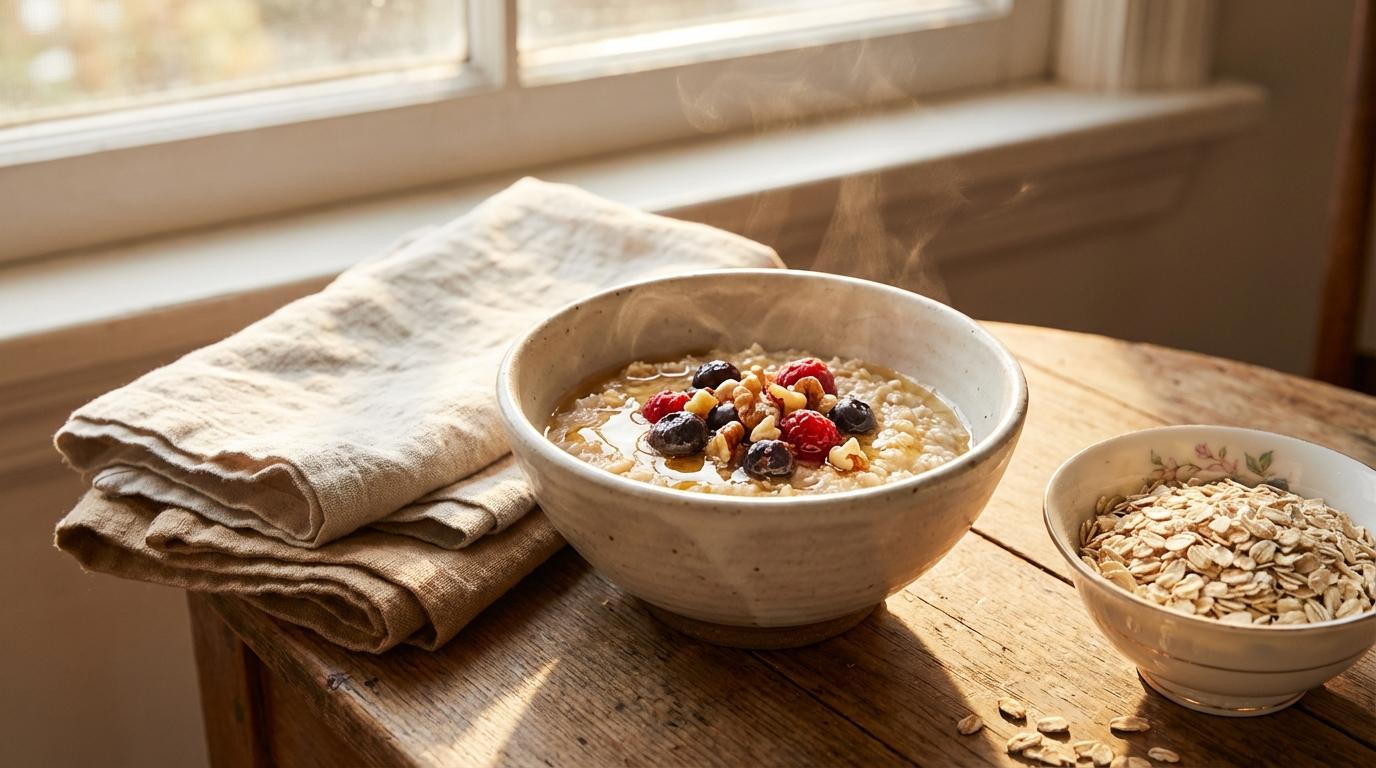
Oatmeal isn’t just for breakfast anymore. Your skin has been missing out on one of nature’s gentlest, most effective ingredients, and honestly? It’s time we talked about it. Oat extract (or its fancier cousin, colloidal oatmeal) has been soothing irritated skin for literally centuries, and modern science is finally catching up to what your grandmother probably already knew.
What Even Is Colloidal Oatmeal?
Colloidal oatmeal sounds like something a scientist made up to sound impressive, but it’s actually pretty simple. It’s just oats that have been finely ground and processed so they can be suspended in liquid (that’s the “colloidal” part). This super-fine texture means the oat particles can actually bond to your skin and form a protective barrier, rather than just sitting on top doing nothing.
The key difference between the oatmeal in your kitchen and skincare-grade colloidal oatmeal is the particle size. We’re talking incredibly fine here, like less than 32 microns for the good stuff. When oats are processed this way, they release compounds called avenanthramides (try saying that five times fast) which are unique anti-inflammatory powerhouses found only in oats.
The Science That Made the FDA Pay Attention
The FDA doesn’t throw around the term “skin protectant” lightly. In 2003, colloidal oatmeal officially earned that designation, which is a big deal. This means it’s been clinically proven to protect and relieve minor skin irritation and itching from things like eczema, rashes, insect bites, and general dryness. According to the FDA’s official rulings, colloidal oatmeal meets strict safety and efficacy standards.
What makes this recognition so meaningful is that oat extract actually works through multiple mechanisms at once. It’s not just moisturizing or just calming or just protective. It does all three simultaneously, which is pretty rare in the ingredient world. The beta-glucans in oats penetrate deep into the skin to deliver hydration, while the avenanthramides reduce redness and irritation at the surface.
Why Sensitive Skin Specifically Loves Oats
Sensitive skin is basically your skin throwing a tantrum about everything. New products? Tantrum. Weather changes? Tantrum. Existing? Sometimes tantrum. The beauty of oat extract is that it’s one of the rare ingredients that almost never triggers a reaction, even in the most drama-prone complexions.
The American Academy of Dermatology has noted that colloidal oatmeal baths can help soothe eczema flare-ups, which is basically the gold standard for proving an ingredient is gentle. If it can handle eczema without making things worse, it can probably handle your random Tuesday redness.
If you’re someone who struggles with skin that freaks out easily, you might also want to check out our eczema-friendly skincare routine for more ingredient ideas that won’t start a rebellion on your face.
The pH Factor (Stay With Me)
Your skin has a natural pH of around 4.5 to 5.5 (slightly acidic, which is totally normal and healthy). Many cleansers and products mess with this balance, which is why your face sometimes feels tight or angry after washing. Oat extract has a pH that’s naturally compatible with skin, meaning it won’t disrupt your acid mantle while it works its calming magic.
This pH-friendly nature is also why oat-based products work so well as first-aid for skin that’s been over-exfoliated or damaged by too many actives. Your retinol burned you? Oats. You went too hard with the AHAs? Oats. Tried a new product and now your face is staging a protest? You guessed it.
Products That Actually Get It Right
Not all oat products are created equal. Some brands sprinkle in a tiny amount of oat extract just so they can put it on the label (annoying but legal). You want products where colloidal oatmeal or oat extract appears high on the ingredient list, ideally in the first five ingredients.
Aveeno basically built their entire empire on colloidal oatmeal, and their Calm + Restore Triple Oat Serum is a solid example of doing oats right. First Aid Beauty also incorporates oat extract into several products specifically designed for reactive skin. CeraVe’s moisturizing line doesn’t get as much oat attention, but their products often pair well with oat-based serums.
For body products (because sensitive skin usually isn’t just on your face), look for oat-based body washes and lotions. Taking an actual colloidal oatmeal bath is also weirdly luxurious and extremely helpful during winter when everything is dry and irritated.
How to Layer Oat Products Into Your Routine
The good news about oat extract is that it plays well with basically everything. It’s not like retinol and vitamin C where you need a PhD in skincare timing to make them work together. Oats are chill. They get along with everyone.
A basic approach: use an oat-based cleanser (if you can find one you like) or skip straight to an oat serum after cleansing. Then layer your other serums on top if needed, and seal everything in with moisturizer. If you’re dealing with active irritation or redness, our guide on calming redness with a gentle approach has more detailed tips for sensitive moments.
For extra soothing power, look for products that combine oat extract with other calming ingredients like centella asiatica, allantoin, or ceramides. This creates a sensitivity-fighting squad that can tackle multiple issues at once.
What About Oat Allergies?
This is a fair question (and props to you for thinking about it). If you have a diagnosed oat allergy, obviously skip oat-based skincare. However, most people with gluten sensitivities are actually fine with topical oat products because the gluten protein doesn’t penetrate skin the way it affects your digestive system.
That said, some oat products are processed in facilities that also handle wheat, so if you’re extremely sensitive, look for products labeled gluten-free or do a patch test first. A little dot of product on your inner arm for 24 hours will tell you everything you need to know.
DIY Oat Masks: Worth the Mess?
Okay, I know some of you are already planning to raid your kitchen. Homemade oat masks can work, but there’s a catch. The oats in your pantry aren’t processed as finely as colloidal oatmeal, so you won’t get the same penetration and protective benefits. You’ll get some soothing action, but it’s more of a surface-level vibe.
If you want to try it anyway (no judgment, we’ve all been there at 11pm with a face full of breakfast foods), blend your oats into the finest powder possible before mixing with a little water or honey. Leave it on for 10-15 minutes, then rinse gently. Just don’t expect miracles.
When Oats Might Not Be Enough
Real talk: oat extract is amazing for general sensitivity, mild irritation, and maintaining calm skin. But if you’re dealing with serious inflammatory conditions like rosacea, severe eczema, or dermatitis that won’t quit, oats are a supporting player, not the whole treatment plan. You still need to see a dermatologist and potentially use prescription options.
Think of oat extract as the gentle foundation that makes your skin more receptive to other treatments. It’s the calming base layer that helps everything else work better, not a cure-all for chronic conditions.
Building Long-Term Skin Resilience
The coolest thing about consistent oat extract use is that it actually helps rebuild your skin’s natural barrier over time. Those beta-glucans I mentioned earlier? They stimulate collagen production and help your skin retain moisture more effectively. So you’re not just treating current sensitivity, you’re making your skin less reactive in the future.
Research published in the Journal of Drugs in Dermatology has shown that regular use of colloidal oatmeal can improve skin barrier function in as little as two weeks. That’s pretty fast for an ingredient with zero harsh actives.
The goal isn’t to depend on oat products forever (though you totally can if you love them). It’s to use them strategically while your skin barrier heals and strengthens, then maintain with whatever works for your evolved routine.
Sensitive skin doesn’t have to mean complicated routines or expensive prescriptions. Sometimes the most boring, breakfast-adjacent ingredient is exactly what your face has been screaming for. Oat extract is proof that gentle can also be genuinely effective, and your reactive skin deserves to finally catch a break.