
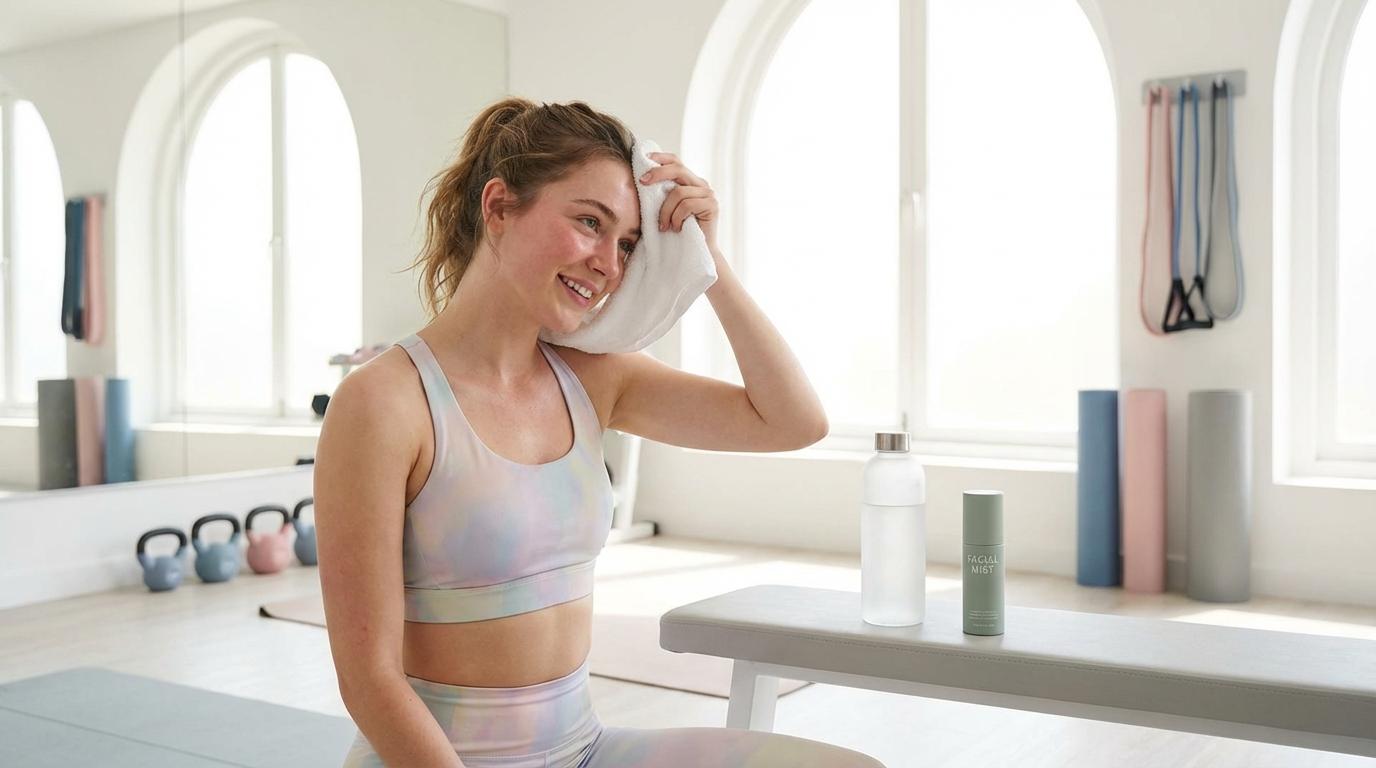
Sweat mixed with skin bacteria leads to clogged pores, inflammation, and those frustrating post-workout breakouts that seem impossible to shake. If you’ve noticed your skin gets worse the more you exercise, you’re definitely not imagining things. The gym environment creates a perfect storm for acne: heat, humidity, friction, and bacterial exposure all combine to wreak havoc on your skin. But understanding the science behind gym-related acne means you can actually do something about it.
What Happens When You Sweat During Exercise
Your body has between two and four million sweat glands, and during intense exercise, you can produce up to one to two liters of sweat per hour. Sweat itself is mostly water with small amounts of salt, urea, and ammonia. On its own, sweat is actually sterile when it leaves your eccrine glands. The problem starts when sweat sits on your skin and mixes with the bacteria, dead skin cells, and sebum already present on your face and body.
When you exercise, your skin temperature rises and your pores dilate to help release heat. This makes your pores more vulnerable to debris entering them. Sweat creates a moist environment that bacteria love. Cutibacterium acnes (formerly called Propionibacterium acnes) thrives in these warm, humid conditions. Research shows that increased skin temperature and moisture can accelerate bacterial growth significantly.
The salt in sweat can also irritate your skin barrier, especially if you let it dry on your face repeatedly. This irritation triggers an inflammatory response that can make existing acne worse or cause new breakouts to form faster.
The Equipment Problem Nobody Warns You About
Gym equipment is a bacterial playground. Think about how many people touch those dumbbells, pull-up bars, and bench press handles before you do. A study published in the International Journal of Environmental Research and Public Health found that gym equipment harbors significant amounts of bacteria, including strains associated with skin infections.
When you touch contaminated equipment and then wipe sweat from your face, you’re transferring those bacteria directly to your pores. The bench press is particularly problematic because your face often comes into contact with the bench when you’re lying flat. Yoga mats, both the studio’s communal mats and your own if not cleaned regularly, can harbor bacteria, fungi, and viruses.
Helmets, chin straps, and headbands create friction and trap sweat against your skin. This mechanical acne, sometimes called acne mechanica, occurs when repeated pressure and rubbing irritate hair follicles. Athletes who wear helmets frequently deal with breakouts along their hairlines and foreheads. The same applies to sports bras and tight workout tops that rub against chest and back skin.
If you’re seeing breakouts specifically where equipment touches your body or where straps sit, you’ve probably figured out the connection. The solution involves both changing your habits and being more strategic about skin contact during workouts.
Pre-Workout Skincare That Actually Matters
What you do before your workout affects how your skin handles the stress of exercise. Starting with a clean face is essential, but there’s a right way and a wrong way to approach this.
If you’re heading to the gym with a full face of makeup, you’re setting yourself up for clogged pores. Foundation, concealer, and powder mixed with sweat create a paste that sits in your pores. Even products labeled “non-comedogenic” can cause issues when combined with heat and humidity. Remove makeup completely before exercising if possible.
Wash your face with a gentle cleanser before working out. This removes excess oil and any environmental pollution or bacteria you’ve picked up during the day. Don’t use harsh exfoliants or active ingredients like retinol right before exercise because your skin becomes more sensitive when it’s heated.
Apply a lightweight, oil-free moisturizer. This might seem counterintuitive, but a thin layer of moisturizer creates a protective barrier that helps prevent sweat from mixing directly with your skin’s oil production. Choose products labeled “gel” or “water-based” for the lightest coverage. If you’re exercising outdoors, a mineral sunscreen is necessary, though you’ll want to reapply after sweating heavily.
Tie your hair back and away from your face. Hair products contain oils, silicones, and waxes that can transfer to your skin when you sweat. If you’ve been dealing with forehead breakouts from hair products, this is especially important during workouts.
Your Post-Workout Routine Is Where It Counts
The window immediately after exercise is critical. The longer sweat, bacteria, and debris sit on your skin, the more time they have to clog your pores and trigger inflammation. Ideally, you should cleanse your face within 30 minutes of finishing your workout.
If you can’t shower immediately, at least wipe your face with a gentle micellar water or a clean, damp cloth. Avoid using abrasive gym towels or paper towels that can scratch your skin. Keep a pack of alcohol-free cleansing wipes in your gym bag for emergencies.
When you do wash your face post-workout, use lukewarm water, not hot. Your skin is already warmed up and potentially irritated from exercise. Hot water strips away too much oil and can trigger reactive sebum production. Use the same gentle cleanser you used pre-workout.
After cleansing, apply a toner or essence with calming ingredients like niacinamide, centella asiatica, or green tea extract. These ingredients help reduce any inflammation triggered by your workout. Follow with your regular moisturizer.
For body acne, the same principles apply. Shower as soon as possible after exercising. Use a body wash containing salicylic acid or benzoyl peroxide on your chest, back, and shoulders where breakouts commonly occur. Let the cleanser sit on your skin for a minute before rinsing to give the active ingredients time to work.
What You Wear Matters More Than You Think
The fabric touching your skin during exercise has a direct impact on breakouts. Cotton absorbs sweat and holds it against your skin, creating that moist environment where bacteria multiply. Once cotton gets wet, it stays wet, keeping your pores trapped in humidity for the duration of your workout.
Moisture-wicking synthetic fabrics pull sweat away from your skin to the outer surface of the fabric where it can evaporate. Look for workout clothes made from polyester, nylon, or specifically designed athletic fabrics with moisture-wicking properties. These materials help keep your skin drier and reduce bacterial growth.
The tightness of your clothes matters too. Compression gear might look sleek, but extremely tight clothing creates friction and traps heat and sweat against your body. If you’re prone to body acne, consider looser-fitting workout clothes, at least on days when you’re doing exercises that involve a lot of movement or equipment contact.
Rewearing workout clothes is one of the biggest mistakes for acne-prone skin. That sports bra you wore yesterday still contains dried sweat, bacteria, and dead skin cells, even if it doesn’t smell bad yet. Every workout session needs clean clothes. Yes, this means more laundry, but your skin will thank you. Wash workout clothes with a laundry sanitizer or add white vinegar to the rinse cycle to kill lingering bacteria.
Dealing With Specific Problem Areas
Different parts of your body break out for different reasons during exercise, and understanding these patterns helps you target your prevention strategies.
Forehead and hairline breakouts often come from headbands, hats, or hair products mixing with sweat. Switch to a wide, breathable headband made from moisture-wicking fabric. Clean your headband after every single use. If you use dry shampoo or styling products, wash your hair before working out or at least pull it back tightly away from your face.
Jawline and chin breakouts can result from resting your chin on equipment or holding your phone against your face between sets. Be conscious of face-to-surface contact during your workout. Wipe down any equipment before using it, and avoid touching your face with your hands.
Chest and back acne, sometimes called “bacne,” develops from tight sports bras, sweaty shirts sticking to skin, and lying on benches. Wear a clean, moisture-wicking sports bra and consider placing a clean towel on benches before lying down. Shower immediately after workouts and use a body cleanser with acne-fighting ingredients. For more stubborn back acne solutions, a consistent treatment routine is essential.
Upper arm and shoulder breakouts often come from straps digging in or rubbing during movements. Adjust your sports bra or tank top straps to reduce friction, or choose racerback styles that keep straps off your shoulders during movements.
Equipment Hygiene Habits to Build
Taking control of your gym environment significantly reduces breakout triggers. Bring your own clean towel and place it on any surface your face or body will touch. Wipe down equipment before and after use with the gym’s provided sanitizing wipes or spray.
If you do yoga, bring your own mat and clean it after every session with a gentle spray made from water and a few drops of tea tree oil or a dedicated yoga mat cleaner. Never use communal yoga mats if you can avoid it.
Clean your gym bag regularly. It becomes a breeding ground for bacteria from your sweaty clothes and shoes. Wash or wipe down the interior monthly and always remove damp items as soon as you get home.
Wash your hands frequently during your workout, especially before touching your face. Many gyms have hand sanitizer stations, and using them between exercises can reduce bacterial transfer significantly.
When Gym Acne Might Be Something Else
Sometimes what looks like acne after working out is actually folliculitis, an infection of the hair follicles caused by bacteria or fungi. Folliculitis looks like clusters of small red bumps or white-headed pimples around hair follicles. It can be itchy and sometimes painful.
Fungal acne, caused by an overgrowth of yeast on the skin, also thrives in sweaty gym conditions. Unlike regular acne, fungal acne tends to appear as uniform small bumps that are often itchy. If your breakouts don’t respond to traditional acne treatments, a routine designed for fungal acne might be what you need.
Heat rash is another condition that can develop during intense workouts, appearing as small red bumps or blisters when sweat gets trapped in your sweat ducts. It often occurs in areas where clothing fits tightly.
If you’ve tried adjusting your workout skincare routine for several weeks without improvement, or if your breakouts are severe, painful, or seem to be spreading, it’s worth seeing a dermatologist. They can determine exactly what type of skin reaction you’re dealing with and prescribe appropriate treatments.
Making Peace With the Gym-Skin Balance
Exercise benefits your skin in important ways that outweigh the temporary breakout risk. Physical activity increases blood flow, delivering oxygen and nutrients to skin cells. It helps regulate stress hormones like cortisol, which can trigger acne when elevated. Exercise also promotes better sleep, which is when your skin does most of its repair work.
The goal is not to stop exercising but to create habits that minimize skin damage while maximizing the benefits of your workout. Think of pre and post-workout skincare as part of your fitness routine, just as important as your warm-up and cool-down stretches.
Start with the basics: clean face before exercise, clean clothes for every workout, quick cleanse after sweating, and regular equipment hygiene. Add in targeted treatments for problem areas as needed. Be patient. It can take a few weeks of consistent habits to see improvement in gym-related breakouts. Your skin is constantly renewing, and the changes you make today will show results in the coming weeks as new, healthier skin cells cycle to the surface.