
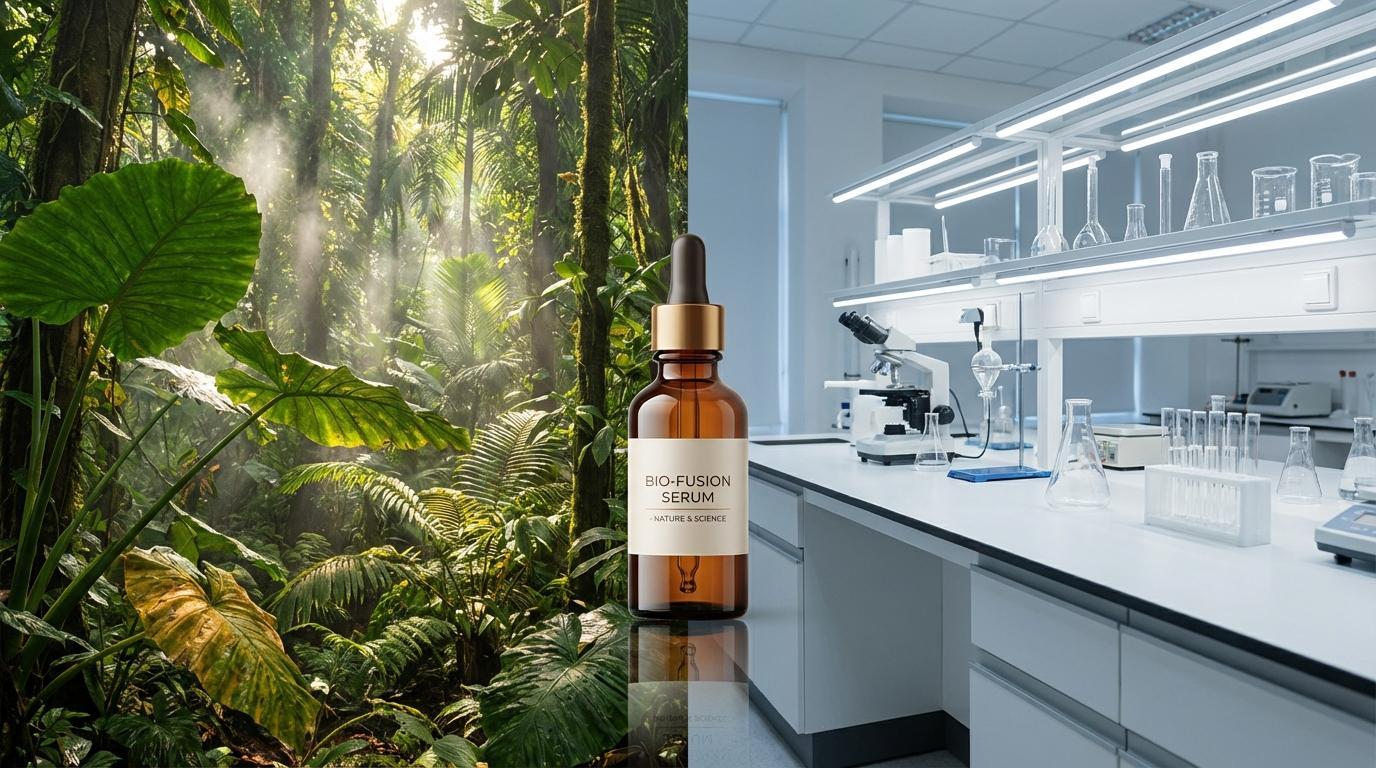
Natural skincare is automatically safer and gentler on your skin. Except it is not, and the sooner you accept that, the better decisions you will make for your face.
I spent four years as a beauty editor watching brands slap natural on everything from serums to sunscreens, charging premium prices while hiding behind botanical buzzwords. The truth? That label means almost nothing.
The Word Natural Has No Legal Definition
The FDA does not regulate the term natural in skincare. A product can contain one drop of plant extract swimming in a sea of synthetics and still call itself natural. There is no standard. No requirement. No oversight.
Brands know this. They exploit it constantly.
When you see all-natural on a label, you are seeing marketing. Not science. Not regulation. Just a word designed to make you feel good about spending money.
Natural Ingredients Can Absolutely Irritate Your Skin
Poison ivy is natural. So is arsenic. I am not saying your rose hip serum is toxic, but I am saying that comes from nature does not equal safe for your face.
Essential oils are among the most common allergens in skincare products. Lavender oil, tea tree oil, citrus extracts. All natural. All potential irritants. Dermatologists see reactions to these ingredients constantly.
If you have ever had your skin freak out after trying a new product, there is a solid chance a natural ingredient was the culprit.
Plant extracts can also be wildly inconsistent. One batch of lavender from France does not have the same chemical profile as lavender from Bulgaria. Different soil, different climate, different concentrations of active compounds. Your skin notices these differences even when you do not.
Synthetic Ingredients Get an Unfair Reputation
Hyaluronic acid. Niacinamide. Retinoids. Ceramides. These are some of the most effective, well-researched ingredients in skincare, and they are all made in labs.
Lab-created ingredients have advantages that natural ones simply cannot match:
- Consistent purity and potency in every batch
- Stability that does not degrade on your bathroom shelf
- Precisely measured concentrations for maximum effectiveness
- Longer shelf life without needing as many preservatives
- Rigorous safety testing before they hit the market
Synthetic hyaluronic acid is identical to what your body produces. Lab-made ceramides mimic your skin barrier. These are not Frankenstein chemicals. They are carefully designed molecules that do exactly what they are supposed to do.
Some Natural Alternatives Are Actually Worse
Products need preservatives to prevent bacterial and fungal growth. Without preservatives, your moisturizer becomes a petri dish.
Traditional preservatives like parabens have decades of safety data behind them. They are effective at low concentrations and rarely cause reactions. But the natural beauty movement demonized them, so brands switched to alternatives like methylisothiazolinone.
The result? A spike in contact dermatitis cases. The natural alternative was actually causing more skin problems than the ingredient it replaced.
This pattern repeats across skincare. Brands remove a proven synthetic ingredient to appear more natural, replace it with something less tested, and consumers pay the price with irritated skin.
What Actually Matters When Choosing Products
Forget natural versus synthetic. That is the wrong framework entirely. What you should care about:
- Formulation quality – How ingredients work together matters more than where they came from
- Concentration – Active ingredients need to be present at effective levels
- Stability – The product needs to remain effective from purchase to finish
- Your skin response – The best ingredient is one your face tolerates
- Evidence – Does research actually support the claims?
A well-formulated product with synthetic ingredients will outperform a poorly formulated natural one every time. The origin of an ingredient tells you almost nothing about how it will work on your skin.
How to Read Labels Without the Marketing Noise
When you are evaluating a product, ignore the front of the package. That is where the marketing lives. Flip it over and actually read the ingredient list.
Ingredients are listed in descending order of concentration. If a fancy botanical is near the bottom, there is barely any in there. The brand is using it for label appeal, not skin benefit.
Watch for ingredient lists that read like a garden tour. Twenty different plant extracts do not make a product more effective. They just increase your chances of reacting to something.
The best products usually have focused formulas. A few well-chosen actives at proper concentrations, delivered in a stable base. Whether those actives are natural or synthetic is genuinely irrelevant.
The Real Questions to Ask
Instead of asking Is this natural? start asking:
- What active ingredients does this contain and at what concentration?
- Is there clinical research supporting these ingredients for my concern?
- How is this formulated for stability?
- What is the track record for irritation with these ingredients?
- Is the price justified by the formula, or am I paying for packaging and buzzwords?
These questions will get you better products than chasing the natural label ever will.
A Word About Environmental Claims
Some people choose natural products for environmental reasons. That is a separate conversation from skin safety and effectiveness, and it is more complicated than it seems.
Growing plants for ingredients requires land, water, and often pesticides. Some botanical ingredients have massive environmental footprints. Meanwhile, lab synthesis can sometimes be more sustainable, producing pure ingredients without agricultural impact.
If sustainability matters to you (and it should), look at the brand overall practices. Packaging, sourcing transparency, carbon footprint. Natural ingredients do not automatically equal eco-friendly.
Your Skin Does Not Care About Labels
Your skin does not know or care whether an ingredient was harvested from a field or synthesized in a lab. It only responds to molecular structures and how they interact with your cells.
Board-certified dermatologists consistently emphasize that safety and efficacy depend on formulation and testing, not origin. The best skincare routines often combine both natural and synthetic ingredients because rigid categories do not serve your skin.
Stop letting marketing dictate what goes on your face. Read ingredient lists. Look for research. Pay attention to how your skin actually responds. That is how you build a routine that works.
The most effective skincare is informed skincare. And being informed means getting past the natural-is-better myth that brands have been selling for decades.