
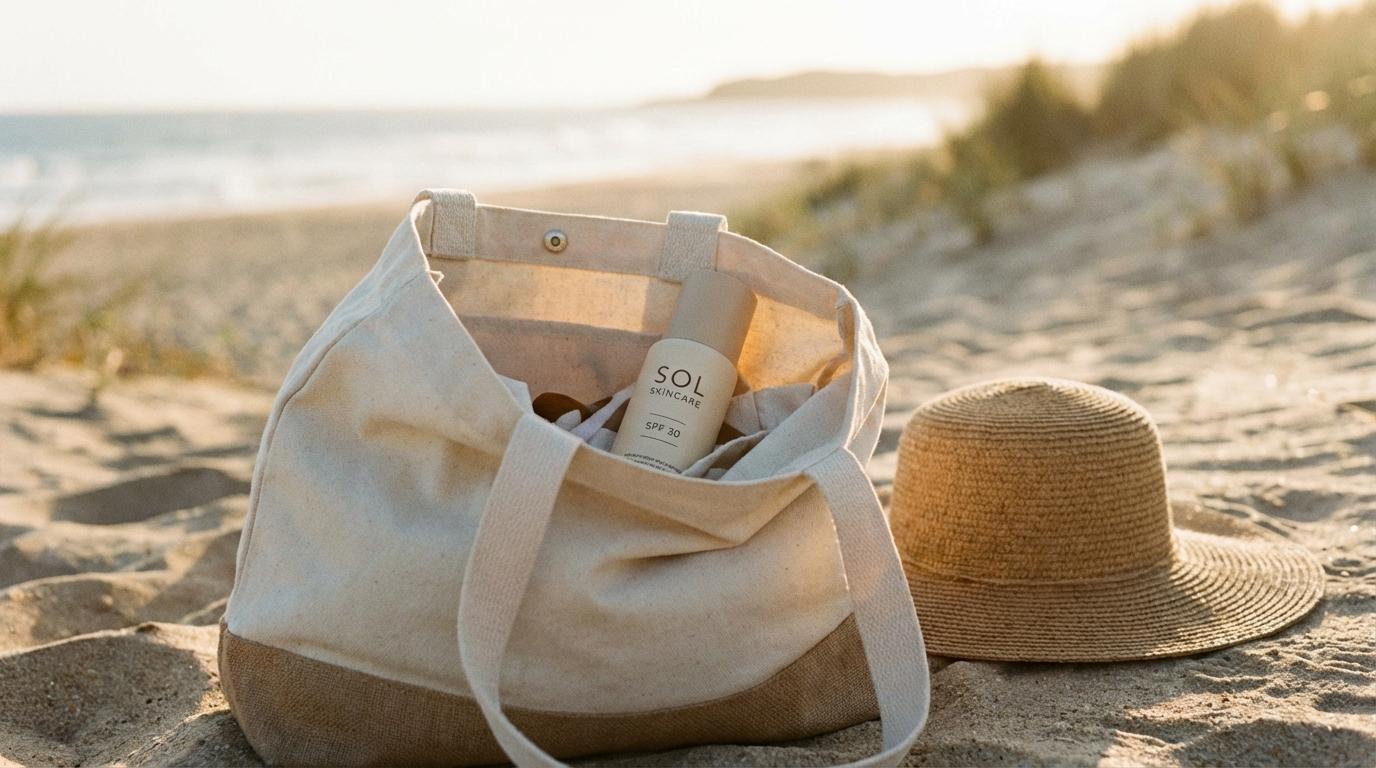
Your skin looks genuinely different at the beach, and I’m not talking about the tan or the vacation glow filter your brain applies to happy memories. There’s actual science behind why your complexion appears clearer, more hydrated, and somehow more alive when you’re spending time by the ocean. As someone who spent way too many hours in biochemistry labs analyzing how environmental factors affect skin, I can tell you this isn’t just perception. Multiple mechanisms are working in your favor when you’re seaside.
The Humidity Factor: Your Skin’s Natural Drink
Most indoor environments hover around 30-40% humidity, sometimes even lower if you’re running air conditioning or heating. Coastal environments? We’re talking 60-80% humidity on average. This difference matters more than you might think.
Your stratum corneum, the outermost layer of your epidermis, functions optimally when it contains about 10-30% water content. In dry environments, water evaporates from this layer faster than your skin can replace it through a process called transepidermal water loss, or TEWL if you want the technical term. Higher humidity slows this evaporation significantly.
When your skin retains more moisture, several things happen simultaneously. Fine lines appear less pronounced because plump, hydrated cells fill out the surface texture better. Your skin reflects light more evenly, creating that dewy appearance. Even your natural oils distribute more smoothly across adequately hydrated skin, reducing that patchy oily-dry combination many of us deal with.
Research published in the Journal of Investigative Dermatology has shown that humidity levels directly impact barrier function. Higher ambient moisture means your skin doesn’t have to work as hard to maintain its protective barrier, freeing up resources for repair and regeneration instead.
Salt Water: Nature’s Antibacterial Treatment
Salt water has been used therapeutically for skin conditions for thousands of years. There’s a reason dermatologists sometimes recommend diluted salt water soaks for certain conditions. The ocean essentially gives you a mild, natural version of this treatment.
The antimicrobial properties of salt water work against certain bacteria that contribute to breakouts. Specifically, sodium chloride creates a hypertonic environment that draws water out of bacterial cells through osmosis. This doesn’t sterilize your skin, but it does reduce the population of some problematic microorganisms.
Additionally, seawater contains trace minerals like magnesium, potassium, and zinc. Magnesium in particular has been studied for its anti-inflammatory properties. A study on Dead Sea salt baths found that participants showed improvement in skin barrier function and reduced roughness after regular exposure to mineral-rich salt water.
The mild exfoliating action of salt also helps. When salt water dries on your skin, it can gently remove some dead skin cells without the harshness of physical scrubs. This pseudo-exfoliation reveals fresher skin beneath and can help unclog pores over time.
Important caveat: salt water isn’t a miracle cure. If you have eczema or very dry skin, the drying effects of salt can actually worsen your condition. And salt water definitely doesn’t replace proper acne treatment if you’re dealing with persistent breakouts.
The Cortisol Connection: Stress and Your Skin
This is where it gets really interesting from a biochemistry perspective. Cortisol, your primary stress hormone, has direct effects on skin health that most people underestimate.
When cortisol levels remain elevated chronically, as they do for many of us dealing with work stress, sleep deprivation, or general life chaos, several skin-negative processes occur. Cortisol breaks down collagen and elastin over time. It increases sebum production, contributing to oiliness and breakouts. It impairs wound healing and slows skin cell turnover. It even affects your skin’s ability to retain moisture by compromising barrier function.
Vacation inherently reduces cortisol. You’re likely sleeping more, moving your body in enjoyable ways, not staring at work emails, and experiencing pleasure rather than pressure. Studies consistently show that stress directly manifests on your face, from dullness to breakouts to premature aging signs.
The beach environment specifically adds extra cortisol-lowering benefits. The sound of waves has been shown in multiple studies to activate parasympathetic nervous system responses, essentially shifting your body from fight-or-flight to rest-and-digest mode. Sunlight exposure, in moderate amounts, triggers serotonin production and helps regulate your circadian rhythm, both of which influence cortisol patterns.
This isn’t just about feeling relaxed. Your skin physically responds to lower cortisol levels with reduced inflammation, better barrier function, and more efficient cellular turnover.
UV Light: A Complicated Relationship
I need to address the elephant on the beach: sun exposure. Yes, moderate UV exposure does provide some skin benefits, but this requires serious nuance.
UV light in controlled doses can temporarily reduce certain inflammatory skin conditions. Dermatologists actually use targeted UV therapy for conditions like psoriasis and eczema. The sun also triggers vitamin D synthesis, which supports skin cell growth and repair.
However, and this is crucial, these benefits absolutely do not justify unprotected sun exposure. UV damage accumulates with every exposure, contributing to premature aging, hyperpigmentation, and skin cancer risk. The temporary improvement some people notice in acne after sun exposure is often followed by worse breakouts once the initial anti-inflammatory effect wears off.
If your skin looks better at the beach, the sun is probably the least significant contributor compared to humidity, salt water, and stress reduction. Please wear your SPF, reapply every two hours, and seek shade during peak UV hours.
Why It Doesn’t Last When You Get Home
Understanding why beach skin fades helps you figure out what you can realistically replicate. Let’s break down each factor:
Humidity crashes. Unless you live in a coastal or tropical climate, you’re returning to much drier air. Your skin immediately starts losing moisture faster, and within a few days, that plump, dewy look diminishes. A humidifier in your bedroom can help somewhat, particularly in winter months.
Your stress returns. This one is obvious but worth acknowledging. The moment you open your work inbox or return to your regular responsibilities, cortisol starts climbing back to baseline levels. The skin benefits of relaxation require ongoing relaxation to maintain.
Salt water exposure stops. You’re no longer getting daily mineral baths or that mild antibacterial effect. While you could technically add some sea salt to your bath routine, it’s not quite the same as ocean swimming.
Your routine changes. On vacation, you might actually follow your skincare routine consistently because you have time. You’re probably drinking more water because you’re hot and thirsty. You might be eating differently, either better or worse depending on your vacation style. All these factors influence skin.
Bringing Beach Skin Home (Realistically)
You can’t fully recreate beach conditions, but you can address some of the underlying factors:
Increase humidity. A bedroom humidifier running at night makes a real difference, especially in dry climates or during heating season. Target 40-60% humidity for skin benefits without creating mold-friendly conditions.
Layer hydration. Use humectant-rich products like those containing hyaluronic acid or glycerin, and seal them with an occlusive layer. This mimics some of the moisture-retention benefits of humid air. If you struggle with hydration, remember that topical products often matter more than water intake alone.
Address stress actively. Easier said than done, obviously. But if your skin consistently looks better when you’re relaxed, that’s data worth paying attention to. Regular stress management, whether through exercise, meditation, adequate sleep, or therapy, isn’t just good for your mental health.
Consider mineral-based treatments. Magnesium-enriched bath salts or mineral facial mists can provide some of the trace mineral benefits of seawater. They won’t transform your skin, but they’re pleasant and mildly helpful.
Protect your barrier. Urban environments often assault your skin with pollution and harsh conditions. Protecting your barrier in polluted cities helps maintain some of that healthy skin function you experience in cleaner coastal air.
What the Science Actually Tells Us
Your skin looking better at the beach isn’t imagination or just good vacation lighting. It’s the combined effect of higher humidity reducing moisture loss, mineral-rich salt water providing mild antimicrobial and exfoliating benefits, reduced cortisol levels allowing your skin to function optimally, and possibly the general happiness of not being at work.
The bad news is that you can’t bottle the beach and bring it home completely. The good news is that understanding these mechanisms gives you actionable information. If humidity helps your skin, invest in a humidifier. If stress is destroying your complexion, that’s worth addressing for reasons beyond vanity. If your barrier function improves with minerals, explore products that provide those.
Your beach skin is a preview of what your skin could look like under optimal conditions. The goal isn’t to live at the beach permanently, tempting as that sounds. It’s to identify which factors made the biggest difference for you and find ways to incorporate them into your regular life, even imperfectly.
And honestly, sometimes the simplest takeaway is just that your skin desperately needs you to take a break occasionally. Your complexion is literally showing you what happens when you’re not running on cortisol and dry office air. That information is worth more than any single product recommendation.