
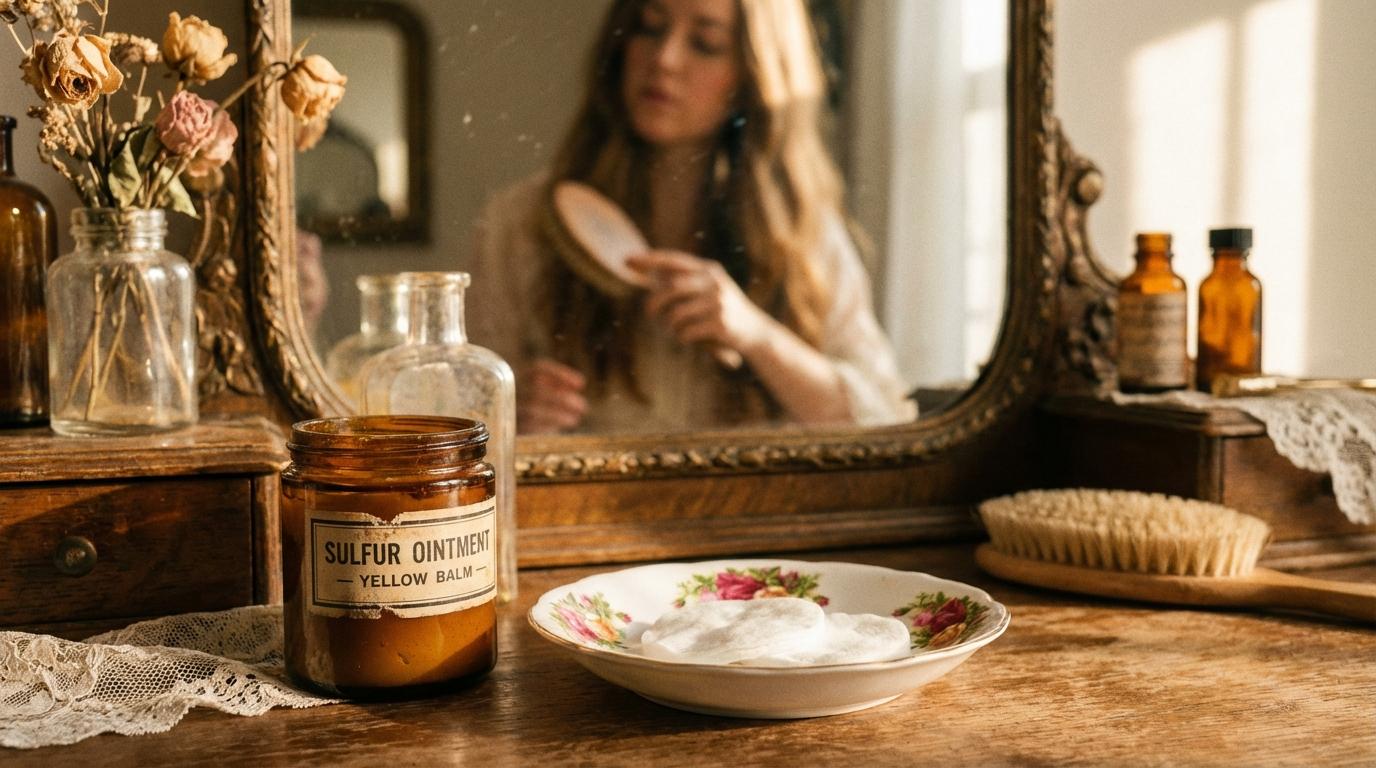
Before TikTok skincare routines became a thing, before everyone was obsessing over niacinamide and retinol, there was sulfur. Your grandma probably used it. Heck, your great-grandma probably used it. And guess what? This stinky, yellow ingredient is making a serious comeback because it actually works, and I’m here to tell you why you should give it a shot.
Look, I get it. When I first heard about sulfur for acne, I was skeptical. It sounded old-fashioned, kind of gross, and honestly, the idea of putting something that smells like rotten eggs on my face wasn’t exactly appealing. But after dealing with stubborn breakouts on a college budget, I was willing to try anything. Spoiler alert: it became one of my secret weapons.
What Even Is Sulfur and Why Does It Work?
Sulfur is a natural element that’s been used for skin problems for literally thousands of years. Ancient Romans bathed in sulfur springs to treat skin conditions. That’s how long humans have known this stuff works. But let’s break down the science of why it’s effective for acne.
It Fights Bacteria Like a Boss
Sulfur has natural antibacterial properties. The bacteria that causes acne, Cutibacterium acnes (formerly known as P. acnes), doesn’t stand a chance against it. When you apply sulfur to your skin, it creates an environment where these bacteria can’t thrive. According to the American Academy of Dermatology, sulfur is recognized as an effective acne-fighting ingredient, especially for milder forms of acne.
It’s an Oil-Absorbing Machine
If you have oily skin like me, sulfur is about to become your new best friend. It has this amazing ability to soak up excess sebum without completely stripping your skin. This is huge because overproduction of oil is one of the main reasons we get clogged pores and breakouts in the first place. Unlike some harsh treatments that leave your skin feeling like sandpaper, sulfur does its job while keeping things relatively balanced.
It Gently Exfoliates
Sulfur also has keratolytic properties, which is a fancy way of saying it helps your skin shed dead cells more effectively. Dead skin cells mixing with oil is basically the recipe for a clogged pore, so keeping that cell turnover going is essential. The exfoliation from sulfur is pretty gentle compared to things like benzoyl peroxide, which can be intense for sensitive skin types.
Why Sulfur Is Making a Comeback
Every few years, the skincare world “rediscovers” an ingredient that’s been around forever. Sulfur’s current moment in the spotlight makes total sense when you think about it.
People Are Tired of Harsh Treatments
There’s been a big shift toward gentler skincare routines. After years of people destroying their skin barriers with aggressive acids and treatments, a lot of us are looking for alternatives that work without causing irritation overload. Sulfur fits that bill. It’s effective but generally much kinder to your skin than some of the heavy hitters out there.
It’s Budget-Friendly
As someone who’s constantly watching their wallet, I love that sulfur products are typically affordable. You can find sulfur-based masks, spot treatments, and cleansers at drugstore prices. No need to drop $50 on a single product when a $10 sulfur treatment can do the job. The National Institutes of Health has research showing sulfur’s effectiveness, and you don’t need the expensive versions to get results.
It Plays Well With Other Ingredients
Unlike some active ingredients that basically demand you use them alone, sulfur is pretty flexible. You can often incorporate it into a routine that includes other acne fighters. Just be smart about it and don’t go layering every active under the sun on the same night.
Let’s Talk About the Elephant in the Room: The Smell
Okay, I’m not going to lie to you. Sulfur smells. It smells like eggs that have been sitting out way too long. This is probably the biggest reason people avoid it, and I totally understand. Nobody wants to walk around smelling like a science experiment gone wrong.
But here’s the good news: you can absolutely work around the smell.
Use It at Night
This is my number one tip. Apply your sulfur products before bed when you’re not going anywhere. By the time you wash your face in the morning, the smell is gone. Your pillowcase might not love you, but your skin will.
Look for Modern Formulations
Skincare brands have gotten better at masking the sulfur smell. Many newer products combine sulfur with other ingredients and fragrances that help cover up that eggy scent. Products from brands like De La Cruz and Kate Somerville have worked hard on making their sulfur products more bearable on the nose.
Do a Short-Contact Treatment
If you really can’t handle the smell, try using sulfur as a short-contact treatment. Apply a sulfur mask, leave it on for 10 to 15 minutes, then wash it off. You still get benefits without committing to smelling like breakfast all night.
Mix With Other Products
Some people mix a small amount of sulfur ointment with their regular moisturizer to dilute the smell while still getting the acne-fighting benefits. Just make sure you’re not compromising the product’s effectiveness by diluting it too much.
How to Actually Use Sulfur in Your Routine
Adding sulfur to your skincare routine doesn’t have to be complicated. Here’s how to do it without messing up your skin.
Start Slow
Even though sulfur is generally gentler than other acne treatments, you should still ease into it. Start by using a sulfur product two or three times a week and see how your skin responds. If everything looks good after a couple of weeks, you can increase frequency.
Sulfur Masks Are Beginner-Friendly
If you’re new to sulfur, a wash-off mask is a great place to start. You leave it on for a set amount of time, rinse it off, and you’re done. There’s less risk of irritation because the product isn’t sitting on your skin all day or night.
Spot Treatments for Targeted Action
Got a specific pimple that needs attention? Sulfur spot treatments are perfect for this. Dab a small amount directly on the blemish before bed. By morning, the pimple should be noticeably smaller. This is especially useful when you feel a pimple forming and want to stop it in its tracks.
Cleansers for Daily Use
Sulfur cleansers are good for maintenance once your skin is used to the ingredient. They provide consistent, low-level exposure that can help prevent breakouts from happening in the first place.
Ointments for Serious Situations
Pure sulfur ointments like the ones you find at drugstores are the most potent option. They’re great for stubborn acne but might be too intense for some skin types. Patch test first and use sparingly until you know how your skin handles it.
Who Should Use Sulfur (And Who Should Maybe Skip It)
Sulfur isn’t for everyone, so let’s break down who’s most likely to benefit.
Great For:
- Oily skin types: If your face gets shiny within hours of washing, sulfur’s oil-absorbing properties will feel like a gift.
- Mild to moderate acne: Sulfur works best on blackheads, whiteheads, and smaller pimples. Deep cystic acne might need something stronger.
- Sensitive skin that can’t tolerate benzoyl peroxide: Sulfur is typically less irritating and drying, making it a solid alternative.
- Those who want a budget option: Effective sulfur products are available at drugstore prices.
Maybe Skip If:
- You have very dry skin: Sulfur can be drying, which might make dry skin worse.
- You have a sulfur allergy: This seems obvious, but it’s worth mentioning. If you’re allergic, obviously don’t use it.
- You’re pregnant or nursing: Always check with your doctor before using any active skincare ingredients during pregnancy. According to WebMD, sulfur is generally considered safe, but it’s always best to get professional advice.
My Personal Sulfur Routine
Here’s what worked for me when I was dealing with persistent chin and forehead acne on a tight budget.
I picked up a basic sulfur ointment from the drugstore. We’re talking less than $5. Every night before bed, I’d apply a thin layer to my problem areas after cleansing and before moisturizer. Yes, my room smelled questionable, but I kept my window cracked and dealt with it.
Within two weeks, I noticed my breakouts were smaller and healing faster. Within a month, I was getting fewer new pimples overall. The oil on my T-zone was also more under control. I still use sulfur a few times a week as maintenance, especially during that time of the month when my skin likes to freak out.
Common Mistakes to Avoid
Before you run out and slather sulfur all over your face, here are some things to watch out for.
Don’t Overdo It
More is not better with sulfur. Using it too frequently or in too high concentrations can lead to dryness, peeling, and irritation. Stick to the recommended usage and listen to your skin.
Don’t Mix With Certain Ingredients
Be careful combining sulfur with other drying or exfoliating ingredients like retinoids, AHAs, or BHAs on the same night. You could end up with an irritated, angry face. Alternate nights or use different products at different times of day.
Don’t Expect Overnight Miracles
Sulfur is effective, but it’s not magic. Give it at least four to six weeks of consistent use before deciding if it’s working for you. Skincare is a marathon, not a sprint.
Don’t Forget Sunscreen
While sulfur itself doesn’t make you more sensitive to the sun like some other actives, the Skin Cancer Foundation recommends wearing sunscreen daily regardless of your skincare routine. Protect your skin while you’re working on clearing it up.
The Bottom Line
Sulfur might not be the trendiest skincare ingredient, and yeah, it doesn’t smell like roses. But it works. It’s been working for literally thousands of years, and it’s going to keep working long after the current skincare fads fade away.
If you’re dealing with acne and haven’t tried sulfur yet, especially if you’re on a budget or have sensitive skin that freaks out with harsher treatments, give it a shot. Start with a simple sulfur mask or spot treatment, deal with the smell by using it at night, and be patient.
Sometimes the old-school ingredients are old-school for a reason. They actually work.