
Retinol has earned its reputation as one of the most effective ingredients for smoothing texture, fading dark spots, and keeping skin looking youthful over time. The catch is that prescription-strength options can cost a small fortune, and even some over-the-counter formulas carry price tags that make your wallet wince. But the good news is that drugstore shelves are now stocked with genuinely effective retinol products that deliver results without draining your bank account.
If you’re ready to add retinol to your routine but don’t want to spend more than you would on a nice dinner out, you’re in the right place. I’ve spent considerable time testing budget-friendly retinol products and researching their formulations. What follows is an honest ranking of the best affordable options available right now, plus guidance on when it actually makes sense to spend more.
Understanding Retinol Strengths Before You Shop
Before we get into specific products, it helps to understand what you’re looking at on those labels. Retinol percentages matter, but they’re not the whole story. A well-formulated 0.3% retinol can outperform a poorly stabilized 1% formula because delivery systems, packaging, and supporting ingredients all play a role in how effectively the retinol actually reaches your skin.
For beginners, starting with something in the 0.025% to 0.3% range makes the most sense. This gives your skin time to build tolerance without the peeling, redness, and irritation that can come from jumping straight into higher percentages. If you’ve been using retinol for a while and your skin handles it well, you can consider moving up to 0.5% or even 1% formulas. But honestly, many people find that moderate strengths deliver everything they need without the adjustment period that stronger formulas require. If you want to understand the full picture of what retinol actually does to your skin, that foundation will help you choose wisely.
The Top Budget Retinol Products, Ranked
1. CeraVe Resurfacing Retinol Serum
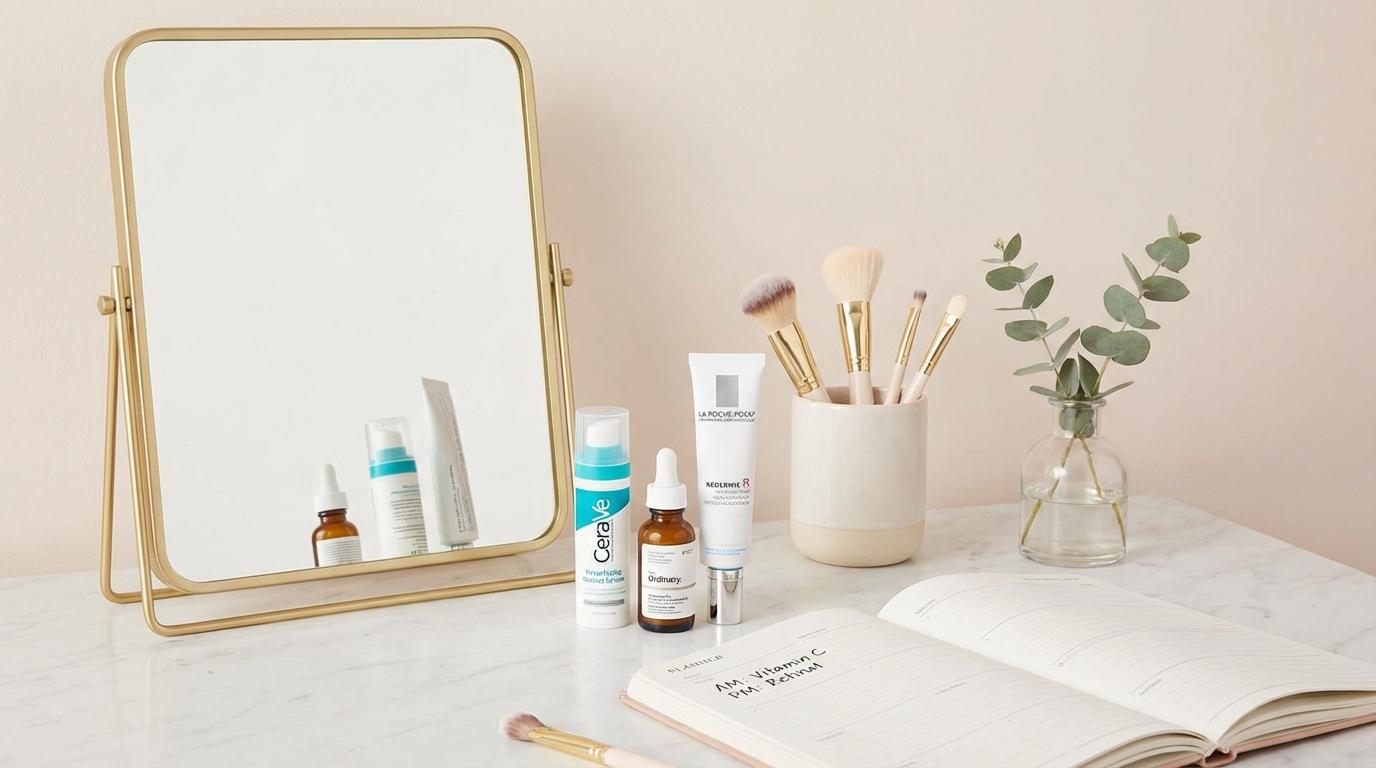
This one tops the list for good reason. CeraVe managed to create a retinol serum that actually works while remaining gentle enough for most skin types. The formula combines encapsulated retinol with niacinamide and ceramides, which means you’re getting the benefits of vitamin A alongside ingredients that support your skin barrier rather than stripping it.
What makes this particularly impressive is the texture. It absorbs quickly without leaving any residue, and it plays well with other products in your routine. The encapsulated delivery system releases retinol gradually, which reduces the irritation potential significantly. For around $15-20 depending on where you shop, this represents genuine value. It works beautifully for addressing post-acne marks and general texture concerns without the drama that some retinol products bring.
2. La Roche-Posay Retinol B3 Serum
La Roche-Posay has been quietly excellent at creating products that deliver clinical-level results at accessible prices. Their Retinol B3 Serum combines pure retinol with vitamin B3 (niacinamide) in a formula developed with dermatologist input. The concentration sits at 0.3%, which hits the sweet spot of being effective without causing excessive irritation for most users.
The serum texture feels slightly richer than the CeraVe option, which some people prefer, especially those with drier skin. It comes in proper airless packaging that protects the retinol from degradation, something that matters more than most people realize. At around $30, it costs more than some other drugstore options, but the formulation quality justifies the price difference. This is particularly good for those concerned with early signs of aging or uneven skin tone.
3. The Ordinary Retinol 0.5% in Squalane
The Ordinary revolutionized affordable skincare, and their retinol options remain some of the best value propositions in the category. The 0.5% in Squalane formula works well for those who have already used retinol before and want to step up from beginner concentrations without jumping to prescription strength.
The squalane base provides excellent spreadability and adds a layer of moisture to offset some of retinol’s drying potential. At under $10, this is remarkably affordable for a well-formulated retinol product. The trade-off is that it doesn’t have the sophisticated delivery systems of pricier options, so you might experience more adjustment-period irritation. If you’re curious about which Ordinary products are truly worth buying, their retinols consistently make the list.
4. The Ordinary Granactive Retinoid 2% Emulsion
This one takes a different approach by using hydroxypinacolone retinoate (HPR), a newer form of retinoid that doesn’t require conversion by your skin to become active. In theory, this means it can work faster while causing less irritation than traditional retinol. The emulsion texture makes it easy to layer and suitable for oilier skin types.
At around $10, it offers an interesting alternative for those who have tried traditional retinol and found it too irritating. The evidence base for HPR isn’t quite as robust as for retinol itself, but early research and user experiences suggest it delivers real benefits. It’s worth considering if you’ve struggled with retinol sensitivity in the past.
5. Versed Press Restart Gentle Retinol Serum
Versed has carved out a nice niche in the affordable clean beauty space, and their retinol serum reflects that ethos. The formula uses encapsulated retinol at a gentle concentration, making it suitable for sensitive skin types or those completely new to vitamin A derivatives.
The lightweight gel-serum texture absorbs beautifully and includes bakuchiol alongside the retinol, which may enhance the overall effect while keeping irritation minimal. At around $20, it sits in the mid-range of budget retinols. This is a solid choice if you prioritize gentle formulations or if your skin tends to react to new products.
6. Neutrogena Rapid Wrinkle Repair Serum
Neutrogena has been in the retinol space for years, and their Rapid Wrinkle Repair line remains popular for good reason. The serum uses accelerated retinol SA, their proprietary form designed for stability and efficacy. Clinical studies published in dermatology journals have shown measurable improvements in wrinkle depth with consistent use.
The formula also includes hyaluronic acid for hydration, which helps balance retinol’s drying effects. It’s widely available at drugstores for around $20-25 and often goes on sale. The texture is slightly heavier than some serums, which works well for normal to dry skin but might feel too rich for oily types.
When to Consider Higher-Priced Options
Budget retinols work well for most people, but there are situations where spending more makes sense. If you have extremely sensitive skin that reacts to even the gentlest budget formulas, prescription-level guidance combined with carefully formulated products might be worth the investment. Similarly, if you’re targeting significant sun damage or deeper wrinkles and have already built substantial retinol tolerance, prescription tretinoin through services like Curology or Apostrophe can offer more dramatic results than over-the-counter options.
The key is being honest about what you actually need. For preventative care, general texture improvement, and mild to moderate concerns, budget retinols do the job beautifully. They contain the same core ingredient as expensive options. The differences lie in delivery systems, supporting ingredients, and sometimes just packaging and marketing. Understanding where to actually splurge versus save in skincare can help you allocate your budget more effectively.
Getting the Most From Your Budget Retinol
How you use retinol matters as much as which product you choose. Starting slowly is non-negotiable. Begin with twice-weekly application and gradually increase frequency as your skin adjusts. This approach minimizes the peeling and irritation that make people abandon retinol before they see results.
Apply retinol to completely dry skin. Damp skin increases absorption, which sounds good but actually raises irritation potential significantly. Wait at least 20 minutes after washing your face, or apply your retinol as the last step before your moisturizer if that fits better with your schedule.
Speaking of moisturizer, using one is essential. Retinol can be drying, and a good moisturizer helps your skin barrier stay intact while the retinol does its work. Some people prefer the sandwich method: moisturizer, then retinol, then another layer of moisturizer. This buffering approach works well for sensitive skin without significantly diminishing the retinol’s effectiveness.
Sun protection becomes even more important when using retinol. The ingredient increases photosensitivity, meaning your skin burns more easily and sun damage accumulates faster without adequate protection. A broad-spectrum SPF 30 or higher, applied generously every morning, is mandatory. This isn’t optional. Skipping sunscreen while using retinol is counterproductive at best and damaging at worst.
Common Mistakes That Waste Your Money
The most expensive mistake people make with budget retinol is giving up too soon. Retinol takes 8-12 weeks of consistent use to show meaningful results. Those first few weeks might bring dryness, flaking, or even temporary breakouts as your skin adjusts. This is normal and doesn’t mean the product isn’t working. It means your skin is adapting.
Another mistake is using too much product. A pea-sized amount covers your entire face. More doesn’t mean better results; it means more irritation and faster product depletion. Your budget retinol will last longer and work better when used correctly.
Combining retinol with other strong actives too quickly is also problematic. If you’re using acids, vitamin C, or other potentially irritating ingredients, introduce retinol slowly and consider using them on alternating nights rather than layering everything together. Your skin can only handle so much stimulation before it protests. For guidance on managing the adjustment phase, layering retinol without irritation covers the essentials.
Storage Matters More Than You Think
Retinol degrades when exposed to air, light, and heat. Those beautiful glass jars might look lovely on your shelf, but they’re not doing your retinol any favors. Look for products in opaque, airless pump packaging whenever possible. If your product comes in a dropper bottle, store it in a cool, dark place and make sure you close it tightly after each use.
Some budget retinols use encapsulated or stabilized forms that resist degradation better than pure retinol. CeraVe and some Neutrogena products fall into this category. If you’re choosing between two similarly priced options and one has better packaging or a more stable retinol form, that’s a meaningful differentiator worth considering.
Building Your Retinol Routine
The simplest effective routine with retinol looks like this: gentle cleanser, retinol (at night), moisturizer, and sunscreen (morning). That’s it. You don’t need ten products to get results. In fact, keeping your routine simple while using retinol often produces better outcomes than complicated multi-step approaches that overwhelm your skin.
If you want to add other beneficial ingredients, niacinamide pairs beautifully with retinol and is often included in the same formulas. Hyaluronic acid helps maintain hydration. Peptides can complement retinol’s anti-aging effects. But these are enhancements, not requirements. The retinol is doing the heavy lifting.
What Results to Actually Expect
Realistic expectations help you stick with your routine long enough to see benefits. In the first month, you might notice your skin going through an adjustment period with some dryness or flaking. By month two, skin often starts looking smoother and more even. By month three and beyond, you should see noticeable improvements in texture, tone, and fine lines.
Budget retinols can deliver all of this. The difference between a $15 drugstore retinol and a $100 luxury option is often not in the results but in the experience, texture, scent, and packaging. If those things matter to you and fit your budget, that’s a valid choice. But if you’re focused on effectiveness, the affordable options covered here will serve you well.
The best retinol is the one you’ll actually use consistently. If a budget-friendly option fits your routine and your wallet, it will outperform an expensive product sitting unused in your cabinet. Start simple, be patient, protect your skin from the sun, and let time do its work. Your skin doesn’t know how much you paid for your products. It only knows whether you’re showing up consistently with the right ingredients.